


Create a Low-Slung Hip Line
Instead of defining your natural waist, let a belt rest loosely on your hips. This technique works wonders over a simple column dress, a slip skirt, or even a long, untucked button-down shirt. The goal isn't to hold anything in, but to create a horizontal
line that adds a relaxed, effortless vibe. Thin chain belts or slim leather styles are perfect for this, offering a touch of Y2K-era cool without feeling dated. The low-slung placement elongates your torso and introduces a point of interest that breaks up the silhouette in an unexpected way.
Define an Unstructured Outer Layer
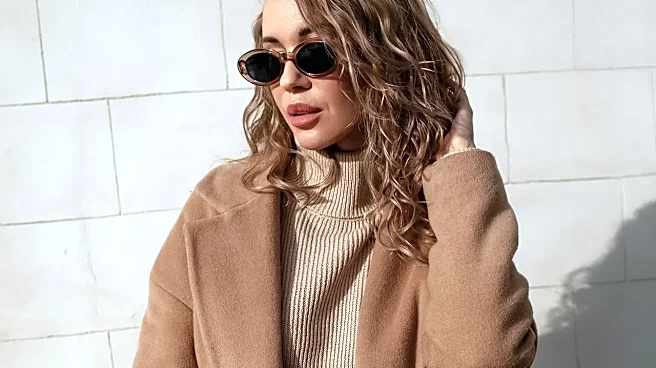
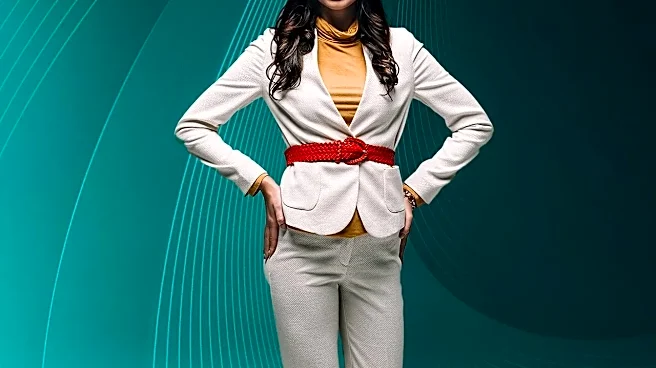
A boxy blazer, a chunky knit cardigan, or an open trench coat can sometimes feel shapeless. Adding a belt over the top provides instant structure and polish. This isn't about creating a tight hourglass figure; it's about adding a thoughtful design element that makes the entire look feel more intentional. A medium-width leather belt over a blazer can make it feel tailored and feminine, while a wider belt can give a dramatic shape to a winter coat, swapping out the self-fabric tie for something with more personality.
Use It for Intentional Color Blocking
A belt is one of the easiest ways to experiment with color blocking. Worn over a monochromatic outfit, a belt in a contrasting hue creates a bold, graphic line that immediately draws the eye. Imagine a bright red belt over an all-black jumpsuit or a cobalt blue belt over a white dress. This technique adds a pop of color and visual energy, breaking up a single-color canvas and adding dimension. It’s a low-commitment way to play with color theory in your wardrobe.
Play with Asymmetrical Draping
Who says a belt has to be perfectly centered and buckled? For a more modern, fashion-forward approach, play with asymmetry. Use a longer belt and let the tail hang down, creating a vertical line that adds movement and a touch of nonchalance. You can also tie a soft leather belt in a simple, off-center knot instead of using the buckle. Some stylists even suggest draping a belt diagonally over a shirtdress like a sash. This approach treats the belt as a purely decorative element, adding a dynamic line that feels both artistic and effortless.
Establish a Modern Empire Waist
Placing a belt just under the bustline—higher than your natural waist—can completely transform the proportions of an outfit. This works beautifully over a flowy maxi dress, a long tunic, or even an oversized shirt. By creating an empire waist, you create a new silhouette that elongates the lower body. This isn't about constricting, but about sculpting. A slim belt is often best for this, as it defines the line without adding bulk, offering a fresh and elegant take on a familiar garment.
Make It the Sculptural Centerpiece
Sometimes, the belt isn't just a line; it's the main event. Statement belts with unique buckles, interesting textures, or wider, corset-style shapes can act as the focal point of an entire look. When you use a belt this way, the rest of the outfit can remain simple. A plain sweater dress, a simple blazer-and-trousers combination, or a minimalist jumpsuit becomes the perfect canvas for a sculptural belt. The key is to let the belt command attention, turning a simple accessory into a piece of wearable art.