






The Nation's Biggest Anniversary Party
July 4, 2026, marks the 250th anniversary of the Declaration of Independence, and America is getting ready to celebrate. The semiquincentennial, officially branded as America 250, is a nationwide series of events and initiatives. Naturally, Hollywood
and major streaming services see a massive opportunity. Networks from PBS to Netflix are already rolling out documentaries and specials to mark the occasion. But the real cultural battleground will be the marquee historical dramas—the big-budget series and films that will retell the nation's origin story for a new generation. Every studio with a streaming service is likely developing its own take on the American Revolution, meaning that multiple versions of George Washington, Thomas Jefferson, and Benjamin Franklin could soon be gracing our screens.
The Fight to Define a Founder
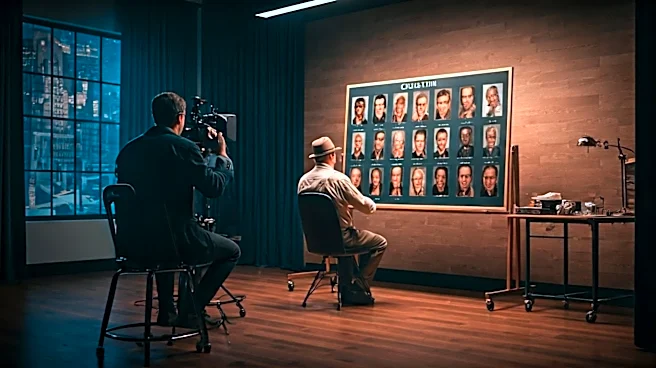
The central question facing casting directors is no longer just about finding an actor who looks the part. The debate now centers on interpretation and intent. Do you cast a towering, stoic actor to play Washington, reinforcing the mythic, unmovable figure from paintings? Or do you find someone who can tap into the general’s documented anxieties and political maneuvering? For a figure like Thomas Jefferson—brilliant, contradictory, and a slaveholder—the choice is even more fraught. Will a studio risk casting a charismatic star who might make the character too sympathetic, or will they seek an actor who can embody those deep-seated, troubling paradoxes? These aren't just acting choices; they are political and cultural statements that will signal each production's perspective on American history.
The 'Hamilton' Effect Looms Large
You can't discuss historical casting today without mentioning the revolutionary impact of Hamilton. Lin-Manuel Miranda’s masterstroke was casting Black and Latino actors to play the white founding fathers, a choice he said was about telling the story of “America then, by America now.” The musical proved that audiences could not only handle but enthusiastically embrace color-conscious casting that prioritized theme and modern relevance over literal representation. This has opened the door for a new kind of historical drama, one less concerned with being a museum piece and more interested in having a conversation with the present. The success of shows like Bridgerton and The Great, which play fast and loose with history for dramatic and thematic effect, further cemented this trend. The America 250 productions must now decide where they fall on this spectrum: strict historical reenactment or a more interpretive, Hamilton-esque approach.
Beyond the Great Men of History
Perhaps the most significant impact of this casting moment will be seen in the roles beyond the marquee names. The push for more inclusive storytelling means we're likely to see a greater focus on the women, free and enslaved Black people, and Indigenous nations who were all pivotal to the Revolution but often sidelined in traditional narratives. Roles like Abigail Adams, the spy James Lafayette, or the diplomat Joseph Brant offer a chance to tell a richer, more complex story of America's founding. Casting well-known, compelling actors in these parts would send a clear message that their stories are not secondary but essential. How these productions populate the world around the founders might be even more revealing than who they pick to sign the Declaration.