

More Than Just a Red Carpet
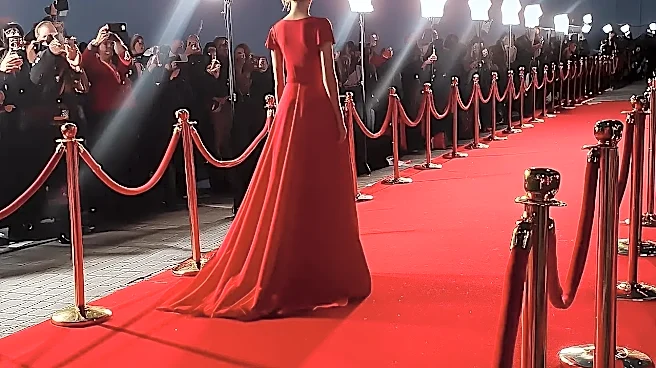
Sure, the galas at the Royal Festival Hall are glamorous, with major premieres like this year's opener 'Elsinore' and Jesse Eisenberg's closing film 'The Debut'. But that's only one small part of the story. Unlike festivals that feel walled-off, the LFF
is intentionally porous. At its heart is a mission driven by its parent organization, the British Film Institute (BFI), to be a festival for the public. This isn't just a marketplace for distributors; it's a sprawling, accessible event designed for anyone who loves movies. Tickets are available to everyone, with special pricing for those 25 and under to ensure the next generation of film lovers is in the room.
The City is the Cinema
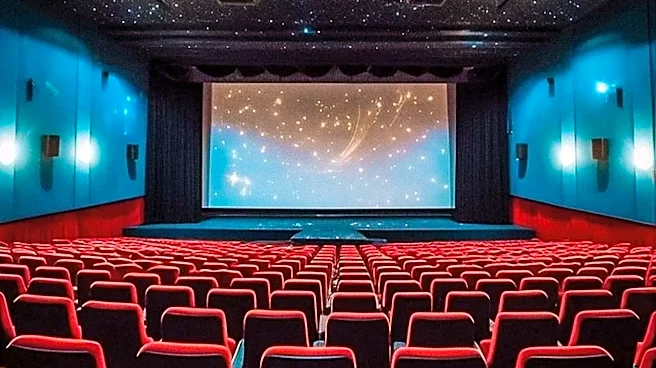
One of the key reasons for the 'movie club' feel is the festival's footprint. While the BFI Southbank acts as the central nervous system, the festival spreads its screenings across a network of partner cinemas in central London and even has 'LFF on Tour' screenings across the UK. This decentralized approach means you don't have to go to a single, exclusive zone to participate. A screening could be at your local cinema palace. This transforms the entire city into a campus for film discovery, where the journey on the Tube to a screening is filled with people clutching the same festival guide, creating dozens of small, shared moments of anticipation.
Curation Fosters Discovery
Instead of a high-stakes, high-pressure competition like Cannes, the LFF's primary mode is curation. Films are organized into thematic strands that guide audience moods and interests: 'Love', 'Debate', 'Laugh', 'Dare', 'Thrill', and 'Cult'. This framework encourages attendees to take a chance on something new, guided by a trusted sensibility rather than just A-list names. It shifts the focus from 'who will win?' to 'what will I discover?'. The main prize is often the Audience Award, where the public gets to vote for their favorites, reinforcing the idea that the viewers' opinions are the ones that truly matter.
Where Conversation Is the Main Event
The festival's single greatest contribution to the movie club atmosphere is its emphasis on conversation. The schedule is packed with 'Screen Talks' featuring directors and actors like Andrew Scott, Sofia Coppola, and Ava DuVernay, turning screenings into dialogues. But it's the 'LFF For Free' program that truly opens the doors. This year, it includes everything from DJ nights inspired by films in the program to panel discussions on documentary filmmaking, book signings, and even a film locations quiz. These events, held at the BFI Southbank and open to all, create a social hub where filmmakers, critics, and fans can mingle, argue, and share their passion without a ticket.