





More Than Just a Coin Toss
The only official duty for a soccer captain at the start of a shootout is to join the referee at the center circle for a coin toss. One flip decides which goal to use; a second decides which team shoots first. This might seem like a formality, but it’s
the first and perhaps most crucial strategic moment. Studies have shown that the team kicking first wins shootouts over 60% of the time. The pressure on the team kicking second, who must constantly play catch-up, is immense. A captain who wins that toss and chooses to shoot first has already handed their team a significant psychological advantage before a single ball has been kicked. In that brief conversation with the official, the captain is a model of composure. It’s their first chance to project control in a situation defined by chaos.
The Body Language of Belief
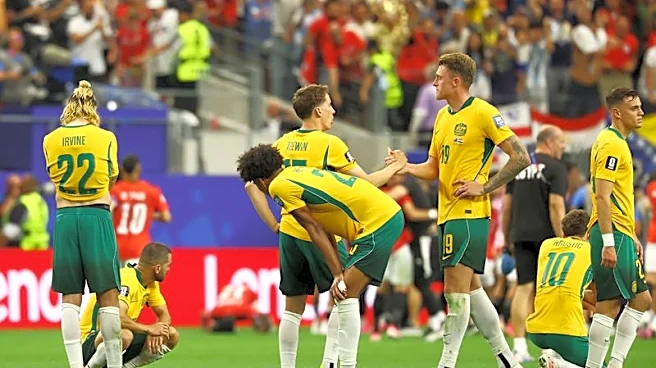
After the coin toss, every player on the team, and everyone in the stadium, watches the captain. Their walk back to the huddled team is a performance. Are their shoulders slumped, or are they back? Is their head down, or are they making eye contact with their teammates? This isn't just about looking confident; it's about transferring belief. In these moments, players are looking for a rallying point to calm their own frayed nerves. A captain who ambles back, shares a quiet word with a nervous-looking teammate, or offers a steadying hand on a shoulder is actively managing the squad’s emotional state. They are the team's psychological anchor. In the high-stress environment of a shootout, where fine motor skills can be compromised by anxiety, a leader’s visible composure can be the antidote to the team's collective panic.
Architect of the Firing Squad
In the frantic moments between the final whistle and the first kick, a critical process unfolds: confirming the list of the five penalty takers. While the coaching staff has a plan, it’s often written in pencil. The captain serves as the crucial link between the bench and the players on the field. A coach might ask, “How’s he feeling?” and it’s the captain who often knows the true answer. They can feel the energy of the group, sensing who is brimming with confidence and who is trying to avoid eye contact. They might give a subtle nod to the coach about a young player who has been smashing penalties in training or quietly shield someone who doesn’t feel up to it. This isn't about overriding the manager but about providing the final, crucial human intelligence that a clipboard can’t capture. They help ensure the five players walking to the spot are the most mentally prepared, not just the most technically gifted.
Leading from the Front
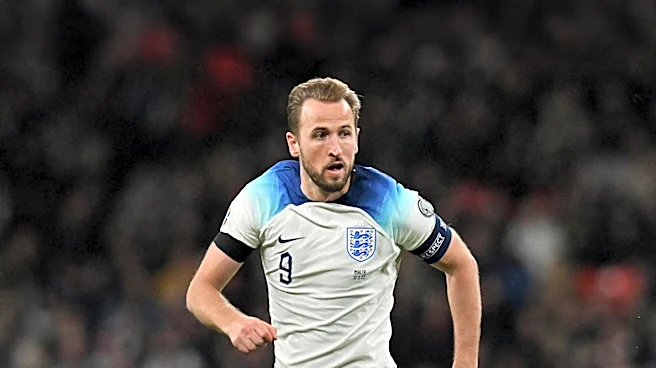
There is no greater display of leadership than a captain stepping up to take a penalty themselves, especially one of the first. Players like Steven Gerrard and Lothar Matthäus built legacies on their willingness to take responsibility in the biggest moments. A captain who volunteers for an early spot and confidently converts sends a powerful message to the rest of the team: “Follow me.” It raises the confidence of the players who follow and puts immense pressure on the opposition. Even if they don’t take one, their role is to support the takers. They are the first to console a player who misses and the one who reminds the next taker to stay focused. They are the emotional center of the group, absorbing disappointment and radiating encouragement in equal measure. This act of taking or managing responsibility sets the standard for everyone else.