







The Opening Act: Setting the Stage
A great fireworks show doesn’t start with the biggest bang. Pyrotechnic choreographers begin with an overture. The first few minutes are designed to grab your attention and establish a baseline of excitement. These initial shells are often single-shot
peonies—the classic round bursts of color—or comets that streak across the sky. They serve a crucial purpose: to get the audience oriented and hint at the scale of what's to come. Think of it as the opening credits of a movie; it sets the mood and introduces the main themes (in this case, colors and effects) without giving away the entire plot. This slower, deliberate pacing makes the eventual chaos of the finale feel that much more impactful.
Building the Narrative: Rhythm and Pacing
The middle of the show is where the storytelling happens. Pyrotechnicians build a narrative arc, much like a piece of music. This section is all about variety and rhythm. You’ll see different types of shells deployed to create specific feelings. Long, weeping willow or brocade shells create a slow, graceful feeling, their golden tendrils hanging in the air. In contrast, crackling dragon eggs or sharp crossette shells that split into a grid create tension and excitement. A well-designed show will ebb and flow, creating moments of quiet beauty followed by energetic bursts. This pacing is intentional; it manipulates the audience's energy, preventing sensory fatigue and building anticipation for what’s next. Specialized software allows designers to time each launch to the millisecond, often syncing them with a musical score to heighten the emotional journey.
The Sensory Language of Light and Sound
Our brains are wired to react to bright lights and loud noises. The flash of a firework triggers an orienting response, compelling us to pay attention, while the subsequent boom can release a hit of adrenaline. The predictability of seeing the flash before the bang is psychologically satisfying. Choreographers use this to their advantage. The deep, chest-thumping boom of a large shell feels powerful and dramatic, while the fizzy crackle of smaller effects adds texture and energy. Color plays a role, too. While we don't have a universal emotional code for firework colors, designers use them to create contrast and visual excitement, painting the sky with a palette designed for maximum stimulation. This multi-sensory experience is why fireworks can feel so emotionally resonant, often triggering nostalgia and a sense of shared joy.
The False Finale: A Masterful Deception
One of the most effective tools in the pyrotechnician’s arsenal is the false finale. Just when the show seems to have reached its peak, with multiple shells bursting at once, everything goes dark and quiet. This sudden pause is a moment of masterful psychological manipulation. For a few seconds, the audience is suspended in anticipation. Did it end? Is there more? This quiet moment makes the crowd’s energy surge, creating a palpable sense of suspense. When the sky erupts again, the payoff is immense. This technique is like a rollercoaster's pause at the top of the highest hill—it heightens the thrill of the final, breathtaking drop that everyone knows is coming.
The Grand Finale: A Symphony of Overload
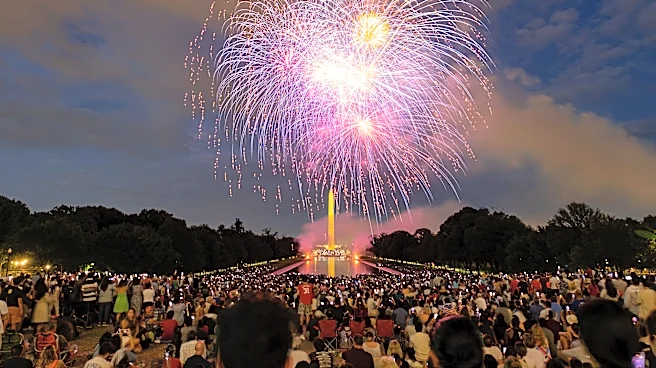
The grand finale is the emotional crescendo, designed for sensory overload. This is where pyrotechnicians abandon all restraint. The goal is to fill the sky completely, leaving no dark space. This is achieved by launching a rapid-fire sequence of the biggest, loudest, and most impressive shells, often from pre-fused 'cakes' or 'barrages' that fire dozens or hundreds of shots in quick succession. You’ll often see a layered effect, with low-level mines shooting up from the ground, mid-level peonies and chrysanthemums providing a wall of color, and high-altitude salute shells delivering the final, thunderous reports. This overwhelming barrage doesn't last long, usually just 30 to 60 seconds, but it's engineered to be the most memorable part of the show, leaving the audience breathless and euphoric.