


The Picture-Perfect 1960s Child
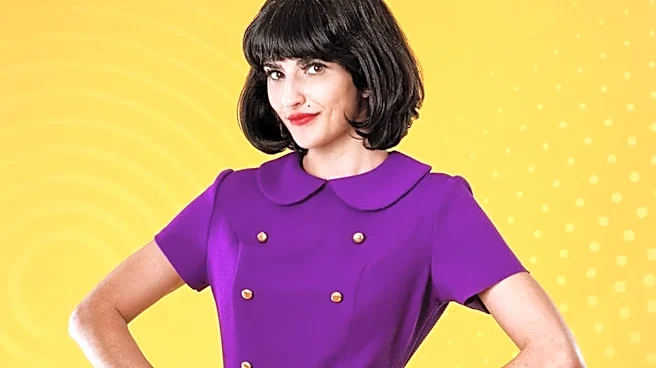
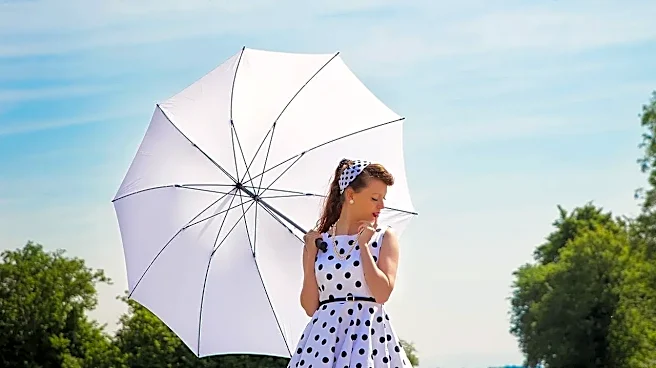
Throughout the 1950s and into the early 1960s, children were often dressed as miniature adults. For boys, this could mean corduroy pants, blazers, and even ties for formal occasions. Girls were frequently seen in dresses with defined waists, full skirts,
Peter Pan collars, and white gloves for church. The look was tidy, structured, and adhered to strict gender roles. Rooted in post-war propriety, the fashion emphasized conformity and a certain formality, even at play. While the latter half of the decade saw a shift toward more casual styles like A-line dresses and brighter colors, the underlying principle remained: children's clothing was largely dictated by adult conventions. It was often made from tougher, easy-care synthetics, materials that were practical but lacked the softness and breathability of natural fibers.
A Counter-Culture Questions Everything
As the 1960s came to a close, a seismic cultural shift was underway. The counter-culture movement, fueled by opposition to the Vietnam War and a deep skepticism of mainstream consumerism, began to question every established norm—including how to raise children. This new generation of parents rejected the perceived materialism and rigidity of their own upbringing. They sought a more authentic, natural, and expressive way of life. This philosophy extended directly to their kids. The goal was no longer to raise a child who looked perfect in a family portrait, but one who was free to play, explore, and develop a sense of self. Childhood was being redefined as a time for joyful, spontaneous anarchy, not for adhering to adult rules.
The Bohemian Wardrobe Emerges
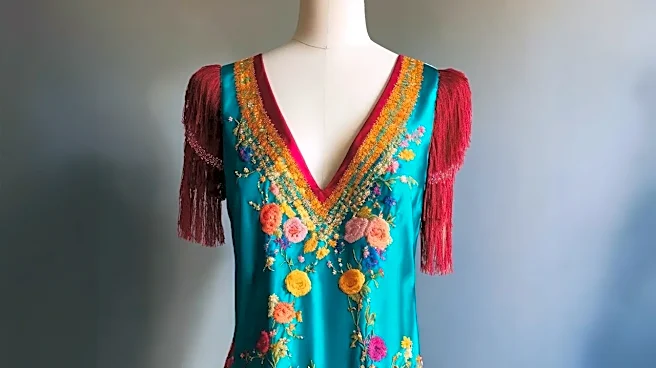
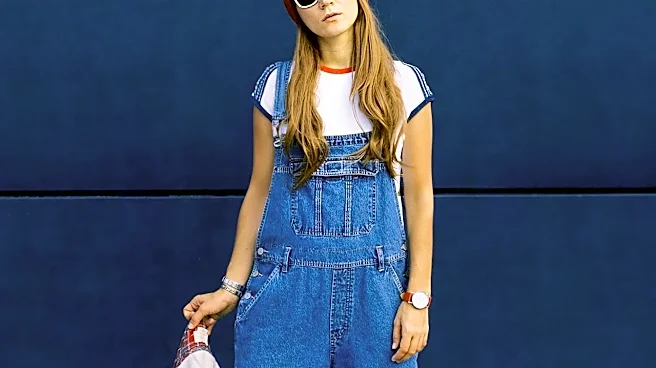
The children's fashion that grew out of this movement was a complete visual and tactile departure from what came before. The new look was soft, loose, and drew inspiration from global and folk aesthetics. Think peasant blouses, denim bell-bottoms, overalls, and flowing prairie dresses, often in earthy tones or covered in floral and psychedelic prints. For the first time, unisex dressing became a significant trend for children, with jeans and T-shirts becoming go-to staples for both boys and girls. Handmade and customized clothing gained prominence as a political statement against mass consumerism. Parents would embroider, patch, or tie-dye denim, making each piece unique and rejecting the sameness of department store offerings.
Fashion as a Philosophy of Freedom
Every element of this new bohemian style was symbolic. The move to natural fibers like cotton and denim was a conscious rejection of the polyester obsession of the previous era, aligning with a back-to-the-land ethos. Loose-fitting garments with elastic waists weren't just comfortable; they were a declaration that children needed freedom of movement to play and be active without constraint. Hand-me-downs and secondhand clothes became a badge of honor, signaling a rejection of the constant churn of consumer culture. Even the popular androgynous look, which blurred the lines between boys' and girls' clothing, was part of a larger questioning of rigid social roles. Dressing a child in this way was a clear statement: this child is valued for their spirit and freedom, not for their conformity.
The Legacy of Letting Kids Be Kids
What started on the fringes with handmade clothes and small, niche brands inevitably trickled into the mainstream. By the mid-to-late 1970s, major retailers like Sears were offering their own versions of flared jeans, peasant tops, and other bohemian-inspired styles. The counter-culture's aesthetic had been absorbed, and in the process, it permanently changed the landscape of childrenswear. The stiff formality of the early '60s never fully returned. While trends have come and gone, the 1970s established a new baseline for kids' clothes centered on comfort, practicality, and the freedom to play. The idea that children's clothing should be designed for the lives children actually lead—messy, active, and imaginative—is a direct and enduring legacy of this gentle, colorful rebellion.