



From 'It' Bags to 'It' Methods
Remember the chokehold a single 'It' bag could have on an entire season? Fashion used to be a game of acquisition. The goal was to own a specific, highly coveted item that acted as a key to feeling current. That era is fading. In its place, something
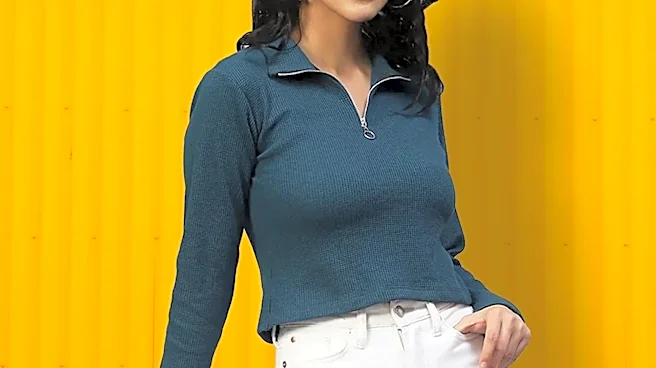
more subtle and cerebral is taking root. The trend cycle, once powered by an endless stream of new products, is now increasingly driven by concepts and styling formulas. These are methods, not merchandise. They’re less about what you buy and more about what you do with what you already own. This shift represents a significant change in how we signal good taste. Instead of flashing a logo, style is now communicated through a clever combination, a surprising pairing, or a specific way of assembling an outfit that feels both intentional and effortless.
The New Rules of the Game
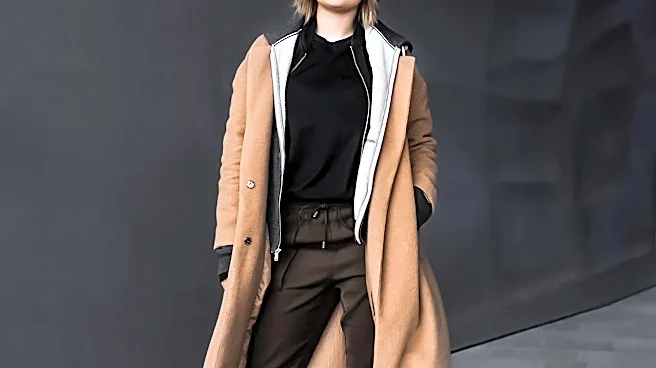
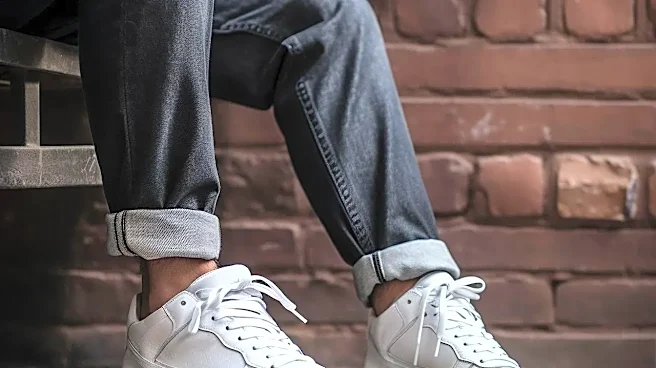
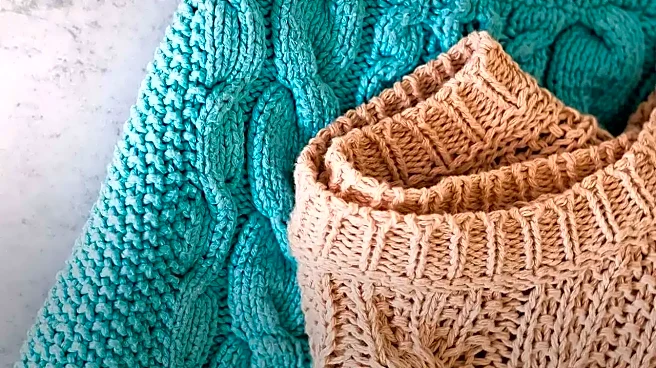
So, what do these styling trends look like in practice? They often have catchy, sometimes absurd, names. Take 'Sandwich Dressing'. The rule is simple: match the color of your top to your shoes, 'sandwiching' a different color in between. Think a black sweater, blue jeans, and black loafers. The result is a look that feels instantly polished and cohesive, creating visual rhythm without needing a single new purchase. Then there's the 'Wrong Shoe Theory,' which encourages pairing an outfit with footwear that seems intentionally mismatched. A delicate, feminine dress worn with chunky, athletic sneakers, or tailored trousers paired with casual Birkenstocks, for example. The clash adds personality and signals a confident, playful approach to fashion. We're also seeing entire aesthetics built on this principle, like the 'Eclectic Grandpa' look. This style is all about combining cozy cardigans, classic loafers, textured knitwear, and pleated trousers in a way that feels personal and lived-in, prioritizing comfort and character over fleeting novelty.
A Crisis for Fast Fashion?
This evolution from product to process poses a serious challenge to the fast-fashion business model, which thrives on manufacturing and selling a high volume of specific, trend-driven items. When the trend is a technique like the 'French Tuck' or a color-blocking strategy, it can't be easily packaged and sold. This shift is happening alongside the rise of 'de-influencing,' where creators encourage followers to avoid overconsumption and think critically before buying into hype. The focus is turning toward sustainability, personal style, and investing in quality pieces that last. Luxury brands, on the other hand, are better positioned to weather this change. Their emphasis on timeless design, quality materials, and heritage aligns well with a consumer base that's more interested in building a lasting wardrobe than chasing microtrends. The decline of the singular 'It' bag in favor of several co-existing, quieter styles is proof of this fragmentation.
The Freedom and the Pressure
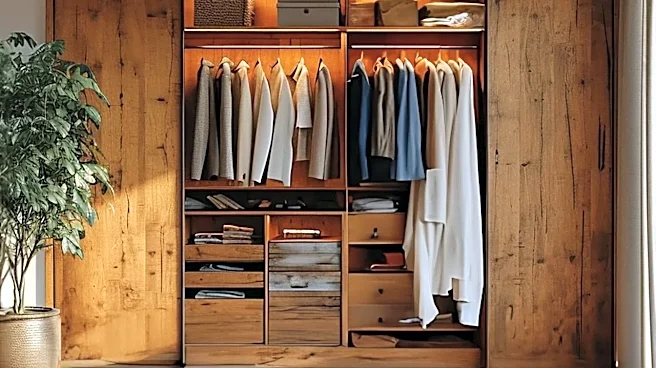
For the individual, this new paradigm offers incredible creative freedom. It encourages you to shop your own closet, rediscover old favorites, and develop a signature style that isn't dependent on your budget. It’s a move toward sartorial intelligence over conspicuous consumption. There’s a satisfaction that comes from mastering a styling trick that makes you look put-together without spending a dime. However, this shift also introduces a new kind of pressure. While you may not need to buy the 'It' bag, you now need to know about the 'Wrong Shoe Theory.' The currency has shifted from financial to cultural capital. It requires a certain level of fashion literacy to understand and execute these concepts successfully. Keeping up with the latest 'method' can feel just as demanding as keeping up with the latest must-have item, proving that the trend cycle is endlessly inventive in how it defines what's 'in.'