



The Raw Material: Crafting Order from Chaos
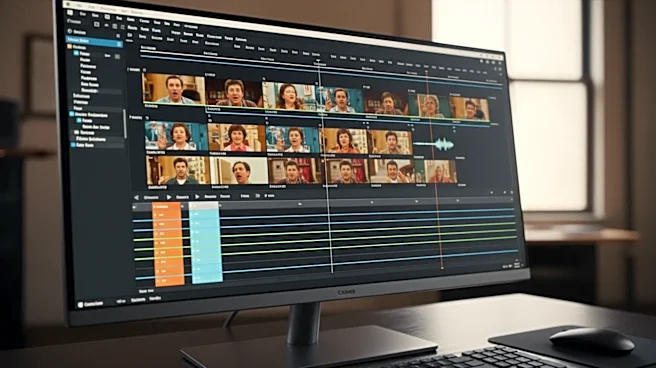
A comedy editor doesn't just receive a clean, 22-minute episode. They're handed hours of footage from multiple cameras, capturing every scene from different angles and with numerous takes. Their first job is to sift through this mountain of material to assemble
the basic story. But their real work is finding the perfect performance of a line, the most telling reaction shot, and the ideal rhythm for a conversation. As editors at publications like EditShare have noted, they might start by creating "selects reels" of the best moments before even beginning to structure a scene. This process isn't just about picking the funniest delivery; it's about building a foundation upon which the entire comedic pace will rest.
The Art of the Cut: Pacing Is Everything
In comedy, timing is everything, and in the edit bay, timing is controlled by the cut. A few frames can be the difference between a joke that lands and one that falls flat. Editors manipulate pace to generate specific feelings. Rapid cuts can create a sense of manic energy, a signature of shows like "30 Rock." Conversely, letting a moment linger—a technique perfected in "The Office”—builds awkward tension until it becomes hilarious. The decision of when to cut is crucial. Do you cut away from the person delivering the punchline to show another character's shocked reaction? That cut is the joke. Editors often say their job is to find the rhythm of a scene, much like a musician does, ensuring the tempo serves the story and maximizes the humor.
The Power of Sound (and Silence)
What you hear—and don't hear—is just as important as what you see. The most obvious audio tool is the laugh track. While modern single-camera comedies have moved away from it, for multi-camera sitcoms, the laughter is a key part of the experience. Editors don't just slap on a generic laugh; they "sweeten" the live audience's reaction, adjusting the volume and duration to punctuate a joke without stepping on the next line. This was pioneered by Charles Douglass, who invented the "laff box" to give editors a palette of different laughs to use. But silence is also a powerful tool. A well-placed pause can build anticipation, giving the audience a moment to process a joke before the audible reaction confirms its funniness, a technique that turns viewers into a unified audience.
Finding the Found Joke
Sometimes, the biggest laughs aren't in the script. They're happy accidents discovered in the edit bay. An actor might break character for a split second, an improvisational line might be surprisingly brilliant, or a glance in the background might add a new layer to a scene. A skilled editor watches everything, even the footage after a director yells "cut." On a show like "Everybody Loves Raymond," editors and writers would screen different versions of a scene to see which cut got the best reaction. This process turns editing from a technical task into a creative partnership, where the editor finds and polishes comedic gems that nobody planned, ensuring that the funniest possible version of the show makes it to the screen.