




Start with the Leather Itself
The first and most important test is the leather's grade. Don't be fooled by the term 'genuine leather,' which often refers to lower-quality split leather that has been heavily processed. The gold standard is full-grain leather. This is the highest quality cut,
taken from the top layer of the hide with its natural grain and imperfections intact. These marks aren’t flaws; they are signs of authenticity that tell a story. Full-grain leather is the strongest and most durable, and it develops a beautiful, rich patina over time as it absorbs oils and is exposed to the world. Top-grain leather is the next best grade, where the very top surface has been sanded to remove imperfections, creating a more uniform look. It's still a high-quality, durable option, but it won't develop the same unique character as full-grain leather.
The Secret of the Tanning Process
How the leather is tanned has a massive impact on its feel, scent, and longevity. The two main methods are vegetable tanning and chrome tanning. Vegetable tanning is the traditional, artisanal method that uses natural tannins from tree bark and plants. It’s a slow process that can take weeks, resulting in a firmer leather with a rich, sweet, earthy smell. Vegetable-tanned bags are known for their durability and their ability to develop a deep, unique patina over decades. Chrome tanning, used for about 80-90% of the world's leather, is a faster, cheaper process using chromium salts. It produces a softer, more pliable leather that is more water-resistant from the start, but it often lacks the character and longevity of its vegetable-tanned counterpart. A truly high-end Italian bag will often boast of its vegetable-tanned origins.
Follow the Stitching
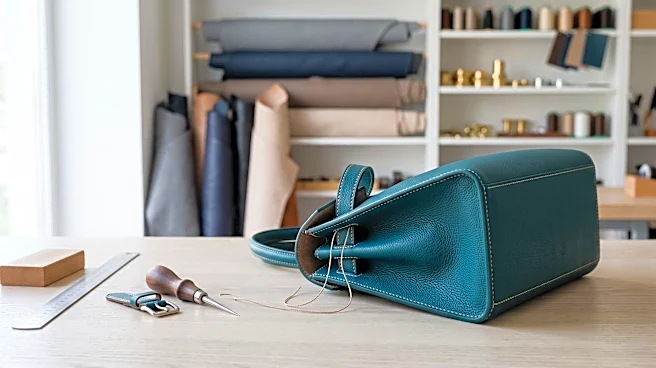
If a leather bag is going to fail, the stitching is often the first thing to go. It's one of the most reliable indicators of quality craftsmanship. Look closely at the seams, both inside and out. The stitches should be small, even, tight, and consistent, with no loose threads or messy lines, especially around corners. High-quality bags will often have a high number of stitches per inch (SPI), typically 10 or more, which creates a stronger and more durable seam. Pay special attention to stress points, like where the handles and straps connect to the body of the bag. These areas should be reinforced with extra stitching to ensure they can handle the weight they're designed to carry.
Feel the Weight of the Hardware
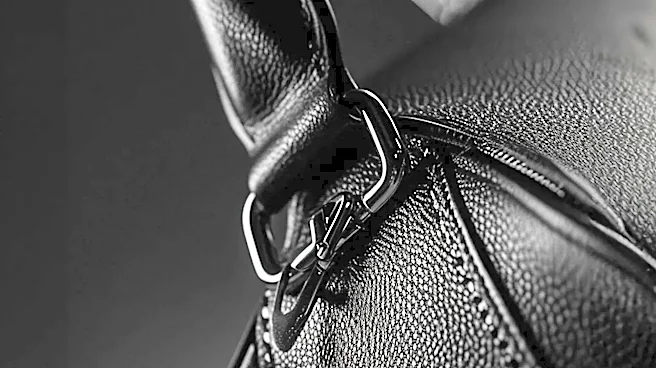
Cheap hardware is a dead giveaway of a poorly made bag. Zippers, clasps, buckles, and protective metal 'feet' on the bottom of the bag should feel solid and substantial, not hollow or flimsy. High-quality hardware is typically made from solid brass or other durable metals, which gives it a satisfying heft. Test the zippers; they should glide open and closed smoothly without snagging. The finish on the hardware should also be consistent and well-applied, without any signs of chipping or flaking. When a manufacturer invests in quality hardware, it signals a commitment to the overall longevity of the piece.
Don't Neglect the Edges
The way the edges of the leather panels are finished is a subtle but crucial detail. On a mass-produced bag, edges are often simply cut raw or covered with a thick, plastic-like paint that can crack and peel over time. On a high-quality Italian bag, the edges will be meticulously finished. Look for edges that are sanded smooth, then carefully painted or burnished by hand. This process seals the edge, preventing it from fraying and giving it a clean, polished, and durable finish. Another premium technique is creating 'turned' or 'folded' edges, where the leather is thinly skived and folded over before being stitched, creating a beautiful, seamless look that requires significant skill.
What 'Made in Italy' Really Means
The "Made in Italy" label is more than just a marketing phrase; it's a legal designation protected by Italian law. For a leather product to legally claim this status, the majority of its key production stages—from design and cutting to assembly and finishing—must take place on Italian soil. However, some brands can exploit loopholes, so it's worth being discerning. Authentic Italian craftsmanship is defined by a deep-rooted tradition of quality. Don't just rely on the label; look for the other signs of quality mentioned here. A trustworthy brand will be transparent about its production process and the materials used.