

The Philosophy of 'Hygge' in a Coat
Before a single piece of fabric is cut, the Danish oversized coat begins with a feeling: hygge. It’s a concept deeply rooted in Danish culture, representing a sense of coziness, contentment, and well-being derived from simple pleasures. This isn't just
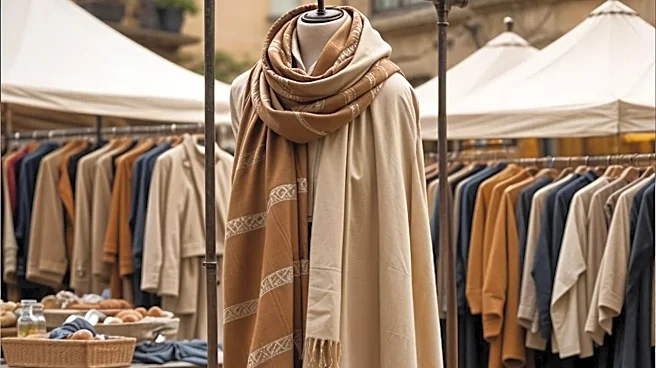
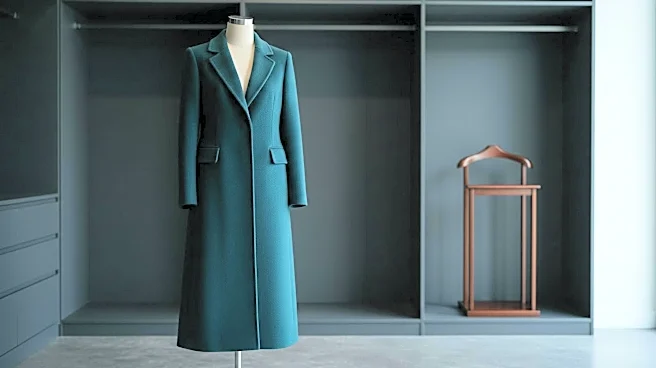
about soft blankets and candles; it's a design philosophy. For fashion, this translates into garments that prioritize comfort, functionality, and an understated elegance. Unlike a coat that is merely large, a Danish oversized coat is designed to feel like a protective, comforting haven you can wear. It’s practical for long, cold winters but also expresses a minimalist aesthetic that values quality and longevity over fleeting trends. The colors are often muted and inspired by nature—creams, grays, and earthy tones—allowing the silhouette and material to take center stage. The goal is to create an outer layer that feels both liberating and secure, a piece of wearable architecture that is beautiful because of its simplicity and purpose.
The Architect of Fabric
Enter the pattern cutter, the unsung hero who translates the abstract idea of 'hygge' into a tangible form. A pattern cutter is essentially the architect of a garment, taking a designer’s 2D sketch and engineering the 3D structure that will be worn on the body. This role is a blend of artistry and mathematics, requiring a deep understanding of how different fabrics drape, stretch, and behave. For an oversized coat, their job is especially challenging. It’s not as simple as just scaling up a standard pattern. Doing so would result in a garment that swamps the wearer, with shoulders drooping to the elbows and a shape like a shapeless sack. The pattern cutter must create volume that is intentional and controlled, a silhouette that is generous yet graceful.
Mastering the Generous Silhouette
The magic of a well-designed oversized coat lies in its balance. The pattern cutter focuses intently on a few key areas to achieve this. The shoulder is paramount. Instead of a sharp, tailored shoulder line, they might use a dropped shoulder seam or a raglan sleeve, where the sleeve extends in one piece up to the collar. This creates a softer, sloping line that accommodates layers underneath without adding bulk. The volume of the coat's body is carefully sculpted through the pattern pieces. They are not simply wide rectangles. The pattern cutter might use subtle A-line shapes, clever dart placements, or curved seams to create a cocoon-like shape that envelops the wearer elegantly rather than just hanging off them. They manipulate the flat pattern to control how the fabric will fall, ensuring it moves with the body and creates a pleasing shape from all angles, avoiding the dreaded "tent" effect.
From Flat Paper to 3D Form
The process is highly iterative. After drafting the initial paper pattern, the cutter will often create a 'toile' or 'muslin'—a prototype of the coat made from inexpensive fabric. This allows them to see the design in three dimensions, pinning, cutting, and marking the fabric directly on a mannequin or a fit model. This is where adjustments are made. Is the collar sitting correctly? Does the armhole allow for free movement? Is the volume in the back collapsing in an unflattering way? Several versions of the toile might be created before the final pattern is perfected. For oversized designs, this stage is crucial because the interplay of gravity and fabric is more pronounced. The cutter might experiment with the weight of different materials to see how it affects the drape, ensuring the final garment made from luxurious wool or cashmere hangs exactly as envisioned.
The Details That Define the Design
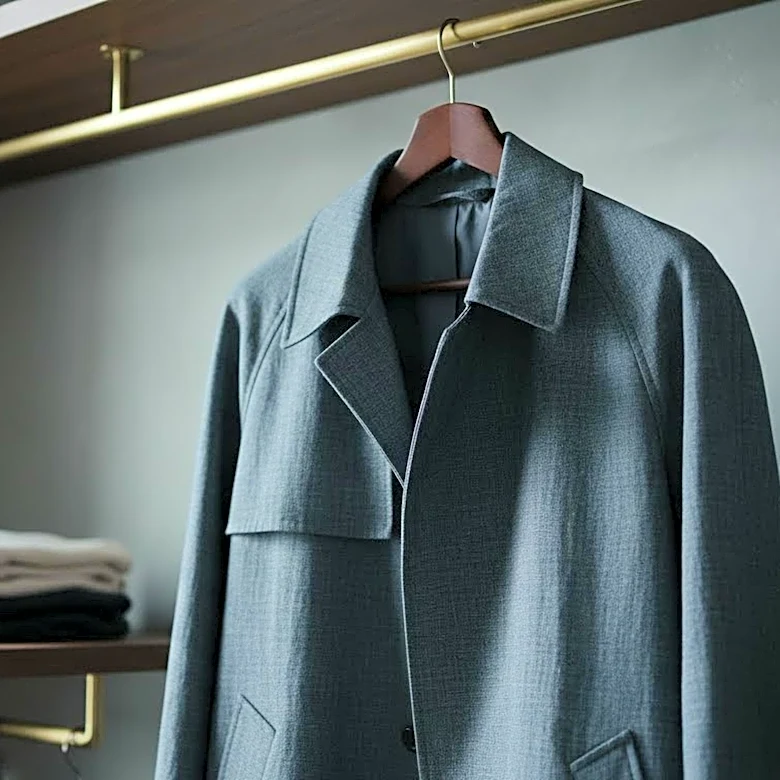
True to the minimalist Danish aesthetic, the beauty of these coats is often in what you don’t see. Pattern cutters work with designers to incorporate functional details that are seamlessly integrated into the design. Pockets might be hidden in side seams, closures may be concealed plackets with hidden buttons, and linings are chosen for comfort and a smooth fit. Every seam, every line has a purpose. There is nothing superfluous. This 'less is more' approach means that the cut and construction must be flawless, as there are no fussy details to distract the eye. The simplicity of the final product is deceptive; it is the direct result of a highly technical and thoughtful process, where every millimeter of the pattern is considered to achieve a look of effortless style.