





The Foundation, Not the Feature
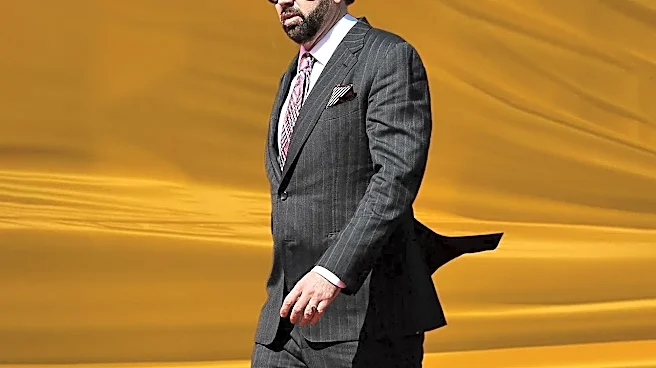
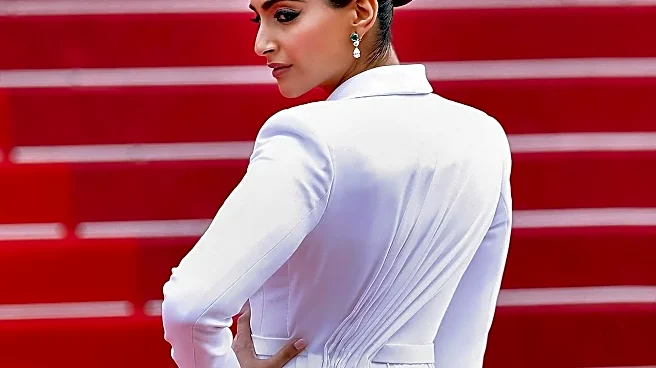
The fundamental rule of red-carpet tailoring is that its purpose is to disappear. A tailor’s ultimate goal is not for someone to say, “Wow, that suit is tailored perfectly,” but for them to say, “Wow, that person looks incredible.” The tailoring itself
is merely the foundation. Its job is to remove every possible distraction—every pucker, pull, or awkward line—so that only two things remain: the wearer’s confidence and the designer’s original vision. An impeccable fit makes a garment look like it was born on that person's body, creating a seamless silhouette that allows the individual’s presence to take center stage. It is, as celebrity stylist Marissa Joye Peden notes, the most important thing to looking good. Without it, the entire illusion of effortlessness shatters.
Honoring the Designer's Vision
Great tailoring isn't about aggressively reshaping a garment; it's about having a conversation with it. Master tailors understand that their job is to honor the integrity of the original design. They analyze the fabric's weight, the intended drape, and the architectural lines before making a single cut. Instead of just taking a dress in, they might subtly re-engineer interior seams or reshape panels to follow the body's curves without compromising the silhouette. It’s a meticulous process that often involves multiple fittings and complex techniques, like creating internal structures that provide support without adding bulk. This ensures the garment moves with the wearer, not against them, preserving the expressive clarity the designer intended.
Engineered for a Thousand Flashes
A red-carpet outfit isn't just worn; it's subjected to intense scrutiny. It has to look perfect while stepping out of a car, walking, turning for hundreds of cameras, and sitting through a multi-hour ceremony. Tailors who specialize in this work are engineers of elegance. They reinforce stress points to prevent gaping, use hidden weights to ensure a hem falls perfectly, and choose underpinnings that create a smooth canvas. According to stylist Stephany Greene, the process involves trial runs to test how fabrics react to bright paparazzi-style lights and practicing movements to ensure a flattering look from every angle. These are not everyday alterations; they are high-stakes adjustments designed for a single, high-pressure environment where every detail is magnified.
When the Invisible Becomes Obvious
You only notice tailoring when it’s bad. A crumpled shoulder line, a gap between the jacket collar and the shirt, or a hem that's a fraction of an inch too long are all telltale signs of a poor fit. These visible flaws break the spell. Instead of seeing a confident star, you see someone in ill-fitting clothes. Wrinkles, bunching fabric, and pulling seams signal discomfort and a lack of polish, drawing the eye for all the wrong reasons. As soon as you start noticing the tailoring, the outfit has failed. It becomes a distraction, undermining the poise and glamour the red carpet demands. Good tailoring is silent; bad tailoring is a constant, nagging whisper.