



The Summer It All Came Rome
July 2021 was a dream. At Wembley Stadium, against a heavily favored England, the Italian national team, the Azzurri, became champions of Europe. It was a masterpiece of grit, style, and belief, orchestrated by manager Roberto Mancini. For a nation hit
hard by the pandemic, it was more than a trophy; it was a national rebirth. Veterans like Giorgio Chiellini and Leonardo Bonucci anchored a defense with the ferocity of Roman legionaries, while a vibrant young midfield buzzed around them. After the national embarrassment of failing to qualify for the 2018 World Cup, this Euro 2020 victory felt like a definitive return to the global elite. They were on a record-breaking unbeaten streak and played with a joyous swagger. The rhythm was perfect, the future seemed limitless, and Italian soccer was, once again, on top of the world.
The Sound of Silence
Just eight months later, the music died. In a sleepy World Cup playoff qualifier in Palermo, the European champions faced the unheralded North Macedonia. What should have been a routine step toward the 2022 tournament in Qatar became a national nightmare. A single, last-gasp goal for the visitors ended Italy's World Cup hopes before they’d even truly begun. The shock was seismic. The kings of Europe wouldn't even be at the party. It was a classic soccer tragedy: a team that thrived on the big stage stumbled in a match everyone expected them to win. The whiplash was severe, leaving fans and pundits to wonder if the Euro victory was a beautiful, fleeting illusion rather than a sustainable new era.
A Cycle of Disappointment
If 2022 was a shock, 2026 was a grim confirmation. As the world’s best teams compete in the World Cup across North America this summer, the Azzurri are once again watching from home. The team failed to secure automatic qualification and fell in the playoffs, reportedly losing to Bosnia and Herzegovina. The failure to qualify for a third consecutive World Cup cemented a crisis unlike any in the nation's storied history. This wasn't a fluke anymore; it was a pattern. The vibrant rhythm of 2021 was a distant memory, replaced by a painful and repetitive beat of what-ifs and recriminations. The system, from youth development to coaching, faced intense scrutiny. The identity forged under Mancini had fractured, leaving a void where confidence once stood.
The World That Could Have Been
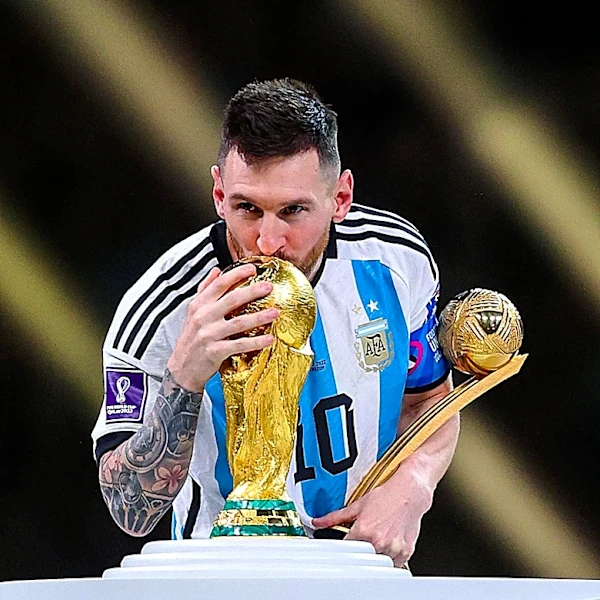
But what if they had held on? What if that shot from North Macedonia had sailed wide? In that alternate reality, Italy would have entered the 2022 World Cup as European champions, brimming with confidence. They would have been a team to fear, a tactical and emotional force. Imagine them facing off against Messi's Argentina or the rising stars of France, not as fallen idols, but as reigning kings. The momentum could have been immense. A strong showing in Qatar would have solidified Mancini's legacy, energized the aging veterans for one last dance, and provided invaluable experience for the next generation. That single win could have rewritten the entire narrative of the last five years, turning a story of collapse into one of sustained excellence.
A Different Legacy
In this sliding-doors moment, the legacy of this generation of Italian players would be entirely different. Instead of being the heroes of one summer and the symbols of a larger failure, they would be icons of a golden era. Young talents like Nicolò Barella and Federico Chiesa would have developed in a culture of winning, stepping onto the world's biggest stage not with pressure to fix a broken system, but with the freedom to express their immense talent. The transition from the old guard to the new would have been a passing of the torch, not a desperate search for saviors. They wouldn't just be the team that won the Euros; they would be the team that brought Italy back to its rightful place at the pinnacle of world soccer, consistently and without question.