





The Role of Setting Powder
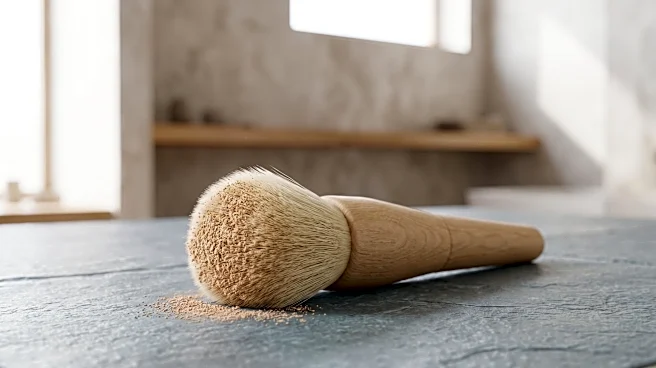
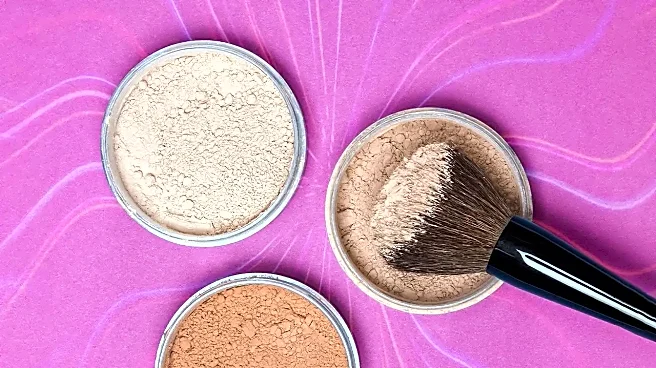
Think of setting powder as a tiny, oil-absorbing sponge for your face. Its primary job is to mattify the skin and lock down any liquid or cream products you've applied, like foundation and concealer. Available in loose or pressed forms, these powders
are milled with ingredients such as silica or talc that soak up excess sebum throughout the day, preventing shine and stopping makeup from sliding around. This makes it particularly effective for anyone with oily or combination skin. When you dust powder over your T-zone or under your eyes, you're creating a smooth, velvety finish that blurs the look of pores and helps prevent your concealer from creasing. It essentially creates a dry, stable canvas for any powder products (like blush or bronzer) that you apply on top.
The Power of Setting Spray
Setting spray is less like a sponge and more like a flexible, invisible shield. This water-based mist is formulated with ingredients called polymers, which create a lightweight film over your makeup when sprayed onto the face. Instead of absorbing oil, its main function is to meld all the layers of your makeup—foundation, powder, blush—together, making them look more seamless and skin-like. This action helps prevent your makeup from cracking, fading, or transferring onto your clothes. Setting sprays are versatile and come in different finishes; you can find mattifying sprays that help control shine, dewy sprays that impart a glow, and hydrating formulas perfect for dry or mature skin types. Because it’s a mist, it can also take away any overly powdery or cakey appearance, leaving a more natural finish.
Powder vs. Spray: The Key Differences
The simplest way to understand the difference is function and finish. Powder absorbs, while spray seals. Setting powder’s main purpose is to control shine and set wet products by absorbing oil, which results in a characteristically matte, soft-focus finish. It’s the go-to for targeting specific oily areas like the nose and forehead. Setting spray, on the other hand, fuses all your makeup layers into one cohesive, durable layer. It doesn’t absorb oil in the same way; instead, it provides a protective barrier against smudging and fading. Its finish can be anything from matte to radiant, depending on the formula you choose, making it suitable for all skin types, especially those who find powders to be too drying.
Better Together: How to Use Both
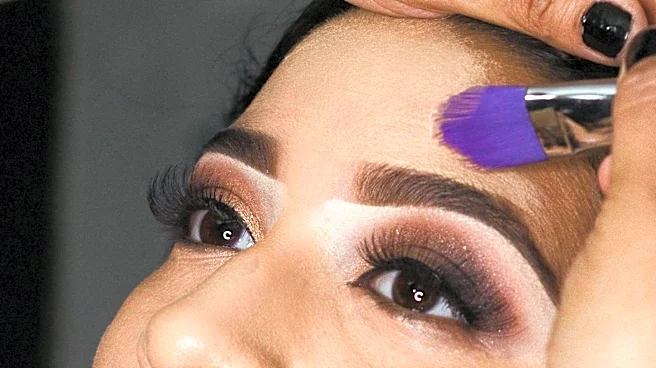
For the ultimate bulletproof makeup, you don't have to choose—you can use both. In fact, many professional makeup artists rely on this layering technique for maximum longevity. The standard order is to apply setting powder first, after your foundation and concealer. Lightly dust it over the areas that tend to get shiny or where makeup tends to crease. After you’ve applied the rest of your makeup (blush, bronzer, etc.), the final step is to mist your face with setting spray. This locks everything in, melts the powder into the skin for a less makeup-heavy look, and provides a final seal of protection that ensures your look stays fresh for hours.
So, Which One Do You Really Need?
Your choice ultimately comes down to your skin type and the look you want to achieve. If you have oily skin and your primary goal is to combat shine and achieve a velvety, matte finish, a setting powder is your most valuable player. If you have dry or mature skin and want to lock in your makeup without it looking flat or settling into fine lines, a hydrating or dewy setting spray is the answer. For combination skin, you might apply powder just to your T-zone and use a spray everywhere else. And for those special occasions—weddings, long nights out, or humid days—when your makeup absolutely cannot budge, using both powder and spray will give you the best of both worlds: shine control and a transfer-proof seal.