
The Golden Age of the Lineup
In the 1990s, NBC struck gold. The network didn't just have hit shows; it had a strategic, unbeatable fortress of programming branded as "Must See TV." The concept, which officially launched in 1993, was simple but revolutionary: stack your best comedies
back-to-back on a single night, creating a two-hour block that was impossible to turn off. For much of the decade, this meant Thursday nights were dominated by a murderer's row of sitcoms. The classic lineup that cemented the phenomenon featured "Friends," "Seinfeld," and "Frasier," often followed by the powerhouse drama "ER." It wasn't just a schedule; it was a promise. NBC told America that if you stayed with them from 8 p.m. to 11 p.m., you'd see the best television had to offer, and America believed them. On a given Thursday, more than 70 million viewers might tune in—more than the other major networks combined.
The Water Cooler Effect
The power of "Must See TV" extended far beyond ratings. It was the engine of American pop culture. The next morning at offices, schools, and diners across the country, the conversation was driven by what happened the night before. Did Ross and Rachel really break up? What was the deal with Kramer's latest scheme? Phrases like "No soup for you!" and "master of your domain" entered the national lexicon. You watched not just because the shows were good, but because you had to in order to be part of the cultural conversation. This was the essence of appointment television: a shared experience that created a national rhythm. Before social media, this was the original trending topic, and rival networks often seemed to wave a white flag, programming movies or less competitive shows against NBC's Thursday night juggernaut.
The Slow Unraveling
Empires fall, and the kingdom of "Must See TV" was no different. The first cracks appeared as the anchor shows ended their runs—"Seinfeld" in 1998, followed by "Friends" and "Frasier" in 2004. NBC tried to plug the gaps with spinoffs like "Joey" and other comedies, but none recaptured the magic. Simultaneously, the competition got smarter. CBS deployed "Survivor" and "CSI," while ABC found massive success with "Grey's Anatomy." But the biggest threat wasn't another network; it was technology. The arrival of the DVR, starting with TiVo in 1999, fundamentally broke the network's spell. Viewers were no longer tethered to a schedule. They could record their favorite shows and watch them whenever they wanted, fast-forwarding through the commercials that made the whole enterprise so profitable.
An Endless Scroll Replaces the Lineup
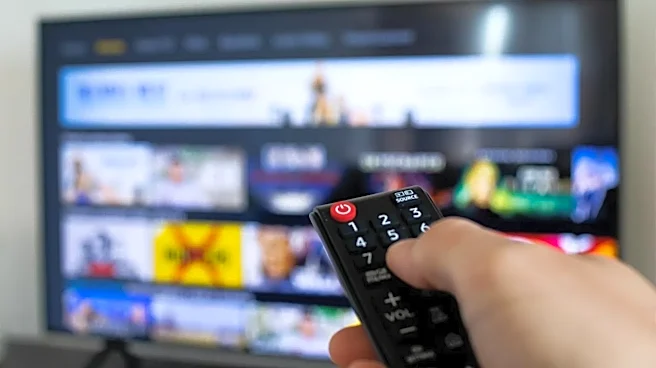
Today, the very concept of a fall TV "season" feels quaint. The idea of a single night of programming commanding the nation's undivided attention is almost unimaginable outside of a major sporting event. The linear, curated schedule has been replaced by the endless, algorithmic scroll of streaming services like Netflix, Hulu, and Peacock. We haven't stopped watching television; we've just atomized the experience. Viewership is now spread across countless platforms and thousands of shows, consumed on our own individual timelines. While NBC briefly revived the "Must See TV" branding in the late 2010s for a new comedy block, the cultural moment had passed. The water cooler has been replaced by niche Reddit threads and fragmented social media discussions. We have more choices than ever, but we've lost the simple, powerful act of watching together.