




The Science of the Drop
Before we get into the culture, let’s talk about the science. A beat drop is a masterful manipulation of the human brain. The buildup—with its rising pitch, quickening snares, and filtering sounds—creates a state of intense anticipation. Your brain’s
reward system, the same one that kept our ancestors hunting and gathering, starts releasing dopamine not at the moment of reward, but in the moments leading up to it. This is the art of tension. Producers know that a buildup of 16 to 32 bars is the sweet spot to create expectation without causing annoyance. Then comes the drop. It’s the release, the payoff your brain has been waiting for. When the bass and drums crash back in, it triggers another rush of pleasure chemicals, creating a feeling of euphoria that can be so powerful it causes physical reactions like goosebumps or chills. It’s a carefully engineered emotional rollercoaster, and our brains are wired to enjoy the ride.
An Anthem in Four Bars
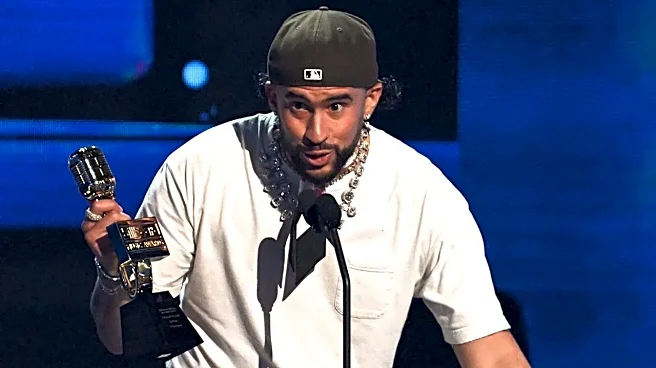
In hip-hop, however, a beat is never just a beat. It’s an identity. From the moment the menacing piano loop of Mobb Deep's “Shook Ones, Pt. II” hits, the atmosphere shifts. The same happens with the clean, instantly recognizable three-chord progression of Dr. Dre’s “Still D.R.E.” These aren’t just collections of sounds; they are anthems that defined entire eras and regions. The instrumental is the bedrock of hip-hop, the canvas upon which everything else is built. When a producer like DJ Premier or The RZA chopped up a soul sample, they weren’t just making a backing track; they were creating a sonic world. A familiar beat drop at an event like the Hip Hop Honors acts as a time machine. It doesn't just remind people of a song—it transports them to the time and place they first heard it, evoking vivid, personal memories.
The Power of Collective Memory
Now, imagine that feeling multiplied by a thousand. At an awards show celebrating the genre's titans, the room is filled with artists, producers, executives, and fans who have a shared history with this music. When the unmistakable synth and clap from 50 Cent’s “In Da Club” rings out, or the minimalist tongue-clicks of Snoop Dogg’s “Drop It Like It’s Hot” begin, it triggers a powerful sense of collective memory. It’s a communal “I remember when” moment. Everyone in that room, from the legend being honored to the rising star in the audience, is instantly connected by a shared cultural touchstone. This isn't just passive listening; it's an active, participatory experience. Dancing together to a beloved beat has even been shown to release oxytocin, the bonding hormone, strengthening feelings of trust and community. In that moment, individual status and generational divides melt away, replaced by a unified celebration of the culture they all helped build.
A Sonic Sign of Respect
Ultimately, dropping a classic beat at a hip-hop tribute event is the highest form of sonic respect. It’s a non-verbal acknowledgment of a track’s impact and a creator’s legacy. It honors the foundation while simultaneously invigorating the present. The oral tradition is central to hip-hop, from the griots of West Africa to the MCs of the Bronx, and the beat is its heartbeat. Playing a classic instrumental isn't just about nostalgia; it’s about acknowledging the shoulders on which the current generation stands. It’s a way of saying, “This is where it came from. This still matters.” That beat drop re-centers the room, reminding everyone of the genre’s deep roots in innovation, struggle, and storytelling. It’s a powerful, percussive reminder that hip-hop's history isn’t a museum piece—it’s a living, breathing force that can still, decades later, make a room move as one.