




Your Brain on Dread
Let's get one thing straight: jump scares work. A monster leaping from a dark corner triggers a primal startle reflex, flooding your system with adrenaline. It’s a cheap, effective jolt. But it's also fleeting. The memory that truly sticks isn't the scare itself,
but the agonizing minutes leading up to it. This is the power of anticipation, or what psychologists often call dread. Your brain, it turns out, is wired to dislike uncertainty even more than a known negative outcome. Waiting for the scare is often more neurologically taxing than the scare itself. That slow walk down a dimly lit corridor, where every shadow could hold a threat, puts your amygdala—the brain's fear center—on high alert. It’s not just imagining a threat; your body is physically reacting as if the danger is already present, a state known as anticipatory anxiety.
The Art of Atmosphere
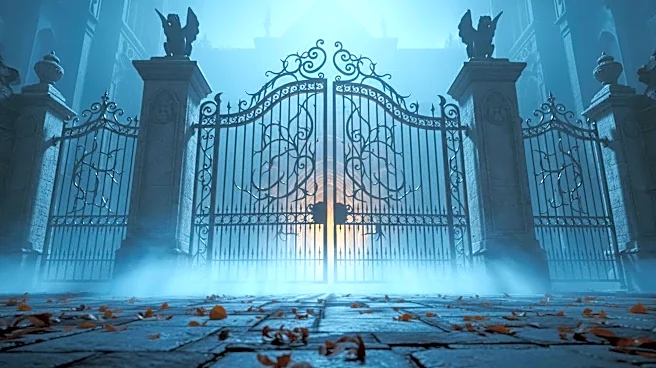
Halloween Horror Nights is a masterclass in weaponizing atmosphere. The event’s designers are experts in creating a sense of unease and ambiguity. They know that our brains are ancient machines, programmed to see danger in the unclear. Is that figure in the fog a statue or a scareactor waiting to pounce? Is that scraping sound part of the soundtrack or something dragging itself just out of sight? This intentional confusion keeps you in a state of heightened vigilance. Psychologists note that haunted attractions prey on this by creating environments that are just uncertain enough to be unsettling without presenting a clear, immediate threat. This sustained tension is far more exhausting and memorable than a series of quick shocks. The event extends this vibe across the entire park, with themed lighting, audio, and textures ensuring you never feel truly safe.
Anticipation vs. Surprise
According to emotion theorist Robert Plutchik, anticipation and surprise are polar opposites. Surprise is what happens when your expectations are suddenly violated—the jump scare you didn't see coming. Anticipation, however, is all about expectation. You know something is going to happen; you just don't know what or when. This is the engine that drives the HHN experience. As you wait in line, you hear the screams from the house ahead. You see terrified people stumble out of the exit. By the time you step inside, your brain has already been marinating in dread. You are actively scanning for threats, which makes the experience intensely personal. In this state, your mind is a co-conspirator, turning every creak and shadow into a potential monster long before the event provides a real one.
The Pleasure of a Safe Scare
So why do we subject ourselves to this? Because it's a controlled fear. Your rational brain, specifically the prefrontal cortex, knows you are in a theme park and not in any real danger. This allows you to experience the physiological thrill of a fight-or-flight response—the racing heart, the adrenaline rush—without genuine risk. When the house is over and the threat vanishes, your brain rewards you with a flood of feel-good neurochemicals like dopamine and endorphins. That feeling of euphoric relief is powerfully addictive. The jump scare is just the punctuation mark at the end of a long, terrifying sentence. It's the sentence itself—the masterfully crafted, psychologically draining anticipation—that you carry with you long after you've left the park.