







The Impossible Job
First, understand the math. A professional penalty kick travels at over 70 mph, reaching the goal line in less than half a second. A human’s reaction time is about a quarter of a second. This means a goalkeeper can’t wait to see where the ball is going;
they have to guess. They must commit to a dive before the ball is even struck. The goal is eight yards wide and eight feet high—a 192-square-foot canvas of potential failure. Statistically, roughly 75% of penalties are scored. The default setting is a goal. The keeper is not expected to be a hero; they are simply the last line of a doomed defense. Every fan, every player, and every pundit knows this. Failure is the baseline. This is precisely why success, when it comes, feels like a miracle.
The Psychological Warfare
Because the physical odds are so stacked against them, the goalkeeper’s best weapon is the mind. The walk from the halfway line to the penalty spot is famously called “the longest walk in sports” for a reason. The pressure on the kicker is immense. The keeper’s job is to amplify that pressure into a crushing, debilitating weight. You see it in the antics: Argentina’s Emiliano Martínez dancing after a save or pointing out which way he thinks the next player will shoot; Dutch keeper Tim Krul, famously subbed on just for the 2014 World Cup shootout, striding up to each Costa Rican player to stare them down. This isn't just showmanship. It’s a calculated disruption of a routine, an injection of doubt into the kicker’s mind. A keeper can’t just stop the ball; they must first stop the player’s confidence.
The Anatomy of the Dive
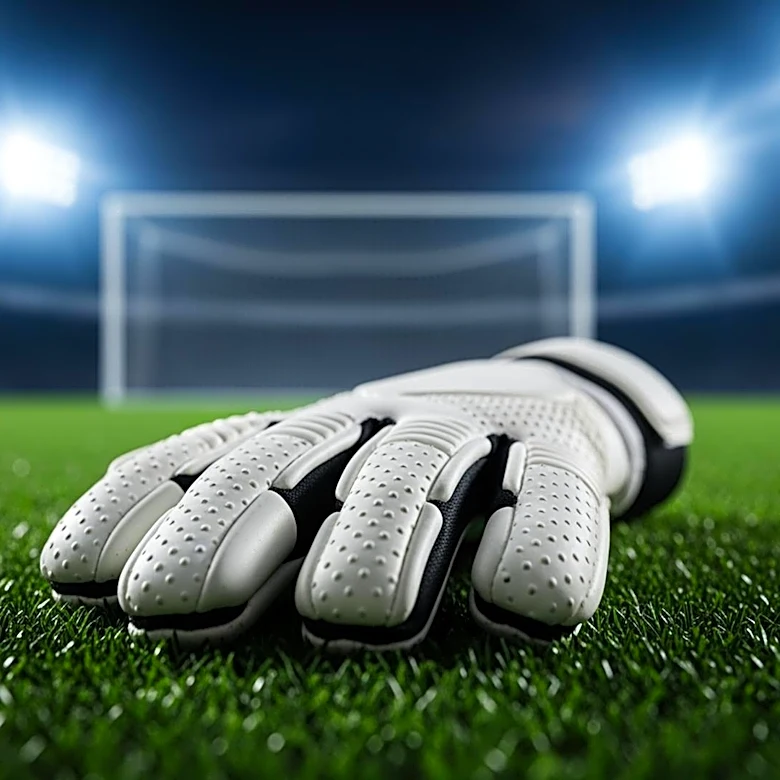
Then comes the moment. It’s a blur of coiled muscle, explosive power, and pure instinct. The keeper shuffles on their line, trying to read the shooter’s hips, eyes, and run-up. They make a choice—a guess rooted in research, intuition, and a decade of training. The dive itself is an act of total commitment. There’s no changing your mind mid-air. It's a full-body launch, arms outstretched, fingers desperately reaching. When hand meets leather, it’s not a soft catch. It’s a violent, percussive slap that sends the ball spinning away from the net. The save is a physical masterpiece of timing and geometry, but it feels like destiny. In that single, athletic motion, the keeper has bent the arc of the game, reversing the irreversible and defying probability.
From Scapegoat to Savior
No position in sports has a more brutal hero-villain dichotomy. A striker can miss four shots and score the fifth to be the hero. A defender can get beaten all game but make one goal-line clearance. But a goalkeeper’s mistake is almost always a goal. They live on a razor’s edge between blame and glory. In a penalty shootout, this dynamic is magnified to an unbearable degree. But by making that one crucial save, the keeper flips the entire narrative. They are no longer the person who *might* let the country down; they are the person who single-handedly saved it. Think of Morocco’s Yassine Bounou in the 2022 World Cup against Spain. With two saves, he didn’t just win a game; he carried the hopes of a nation and an entire continent into uncharted territory, becoming an instant icon of Arab and African pride.