

An Enduring Symbol of Style
First, let’s acknowledge the choker’s staying power. It has been a symbol of power, elegance, and even rebellion for centuries. Ancient Egyptians wore them, Victorian royalty adorned themselves with jewel-encrusted versions, and they became a '90s grunge
staple. This rich history means the choker isn't just a fleeting trend; it's a legitimate jewelry silhouette that major design houses like Cartier, Bvlgari, and Chanel consistently revisit. Its ability to frame the face and add a deliberate focal point to any outfit, from casual to formal, is why it remains a go-to accessory. The modern resurgence sees everything from bold, chunky collars to delicate, minimalist chains, proving its versatility.
The Material Difference: Fine vs. Fashion
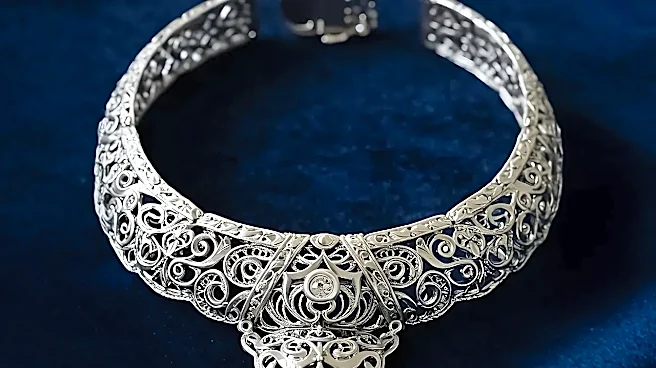
The single biggest factor in a choker’s price is the material. A premium choker is typically considered fine jewelry, crafted from solid precious metals like 14k or 18k gold, platinum, or sterling silver. These materials are not only beautiful but also durable and hypoallergenic, meaning they won't tarnish or cause skin irritation. On the other end of the spectrum, fast-fashion chokers are often made from base metals like brass or copper plated with a thin layer of gold or silver. While they offer an affordable way to try a trend, this plating can wear off quickly, revealing the metal underneath and sometimes turning your skin green. The same goes for the sparkle: fine jewelry uses real diamonds and gemstones, while fashion versions use glass, plastic, or crystals.
Craftsmanship, Longevity, and Cost-Per-Wear
A premium price often reflects superior craftsmanship. Handcrafted chokers from skilled artisans involve a level of detail and quality control that mass-produced items lack. Techniques pioneered by famous jewelry houses, like Bvlgari's flexible Tubogas design, simply cannot be replicated at a low price point. This attention to detail means a fine jewelry choker is built to last for decades, potentially becoming an heirloom. Conversely, a fast-fashion piece might break or lose its luster after just a few wears. While the initial cost of a fine choker is higher, its longevity can make it a smarter investment in the long run. The cost-per-wear of a $500 gold choker worn for ten years is significantly lower than that of a $20 choker you have to replace every few months.
The Brand Premium: Are You Paying for a Name?
It's undeniable that with luxury brands, part of the premium is for the name itself. A choker from a recognized designer like Van Cleef & Arpels or Cartier carries an immediate status and design identity. You're paying for their century-old design language and the recognizability of their iconic motifs. These pieces tend to hold their value well and can even appreciate over time, making them a true investment. However, it's also possible to find high-quality, beautifully crafted chokers from smaller, independent jewelers that offer exceptional value without the luxury markup. These pieces provide the benefits of fine materials and craftsmanship without the added cost of a world-famous logo.
The Verdict: When to Splurge and When to Save
So, are premium chokers worth it? It depends entirely on your goal. If you want to experiment with a bold, of-the-moment trend—like a wide velvet or edgy leather choker—a fast-fashion version is a smart, low-risk choice. It lets you play with a style without a major financial commitment. However, if you're looking for a timeless, classic piece you can wear for years, splurging on a fine jewelry choker is the better long-term value. A simple gold chain, a delicate pearl strand, or a classic diamond tennis choker are styles that will never fade. These are investment pieces that elevate any look and are designed to endure, offering both style and substance.