


The Instagram-Ready Status Symbol
The trend wasn't born from a widespread dermatological crisis, but from a cultural moment. In 2018, influencers Marianna Hewitt and Lauren Ireland launched Summer Fridays with a single, brilliantly marketed product: the Jet Lag Mask. Packaged in a minimalist,
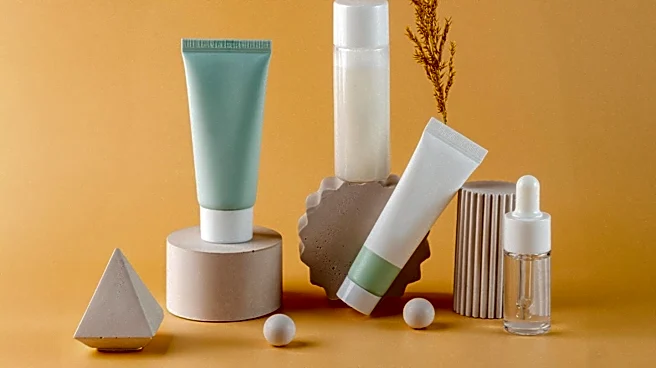
photogenic blue tube, it was engineered for the Instagram flat lay. Before many people even tried it, they saw it on their feeds, held by their favorite content creators against an airplane window. This created a powerful feedback loop: the mask wasn't just a skincare product; it was a prop that signaled a chic, travel-heavy lifestyle. The brand's founders, who had a combined following of nearly a million, used their audience as a built-in focus group, ensuring the product and its aesthetic would resonate.
Selling a Solution to Modern Burnout
The marketing genius of the trend was realizing that you don't have to be a jet-setter to feel jet-lagged. The brand's own website stated, “You don't have to be a jetsetter to have that lag.” This insight transformed the product's purpose. It became a remedy not just for travel fatigue, but for the everyday exhaustion of a demanding job, a late night, or a stressful week. The term “jet lag” evolved into a perfect metaphor for modern burnout. In an always-on work culture where exhaustion is common, a product promising to make you look rested and radiant offers an accessible form of relief. It’s a quick fix for a systemic problem, selling the feeling of recovery in a tube.
The Rise of Wellness as a Ritual
The jet lag skincare phenomenon fit perfectly into the broader wellness movement, which reframed self-care as an essential daily practice. Skincare routines became rituals—a way to reclaim a few moments for oneself and exert control in a chaotic world. Applying a mask is no longer just about aesthetics; it's about mindfulness, restoration, and intentional living. This shift turned skincare into an act of holistic health. Brands like Summer Fridays leaned into this, promoting a “Friday feeling” of relaxation and refreshment. The routine itself became as important as the result, offering a small, tangible way to care for oneself amidst the pressures of hustle culture.
More Than Just a Mask
While the Jet Lag Mask was the catalyst, its success spawned a whole category of travel-centric and recovery-focused products, from hydrating eye patches to entire multi-step kits. The concept is simple and effective: combat the scientifically proven dehydrating effects of low-humidity cabin air. The core products focus on hero ingredients like hyaluronic acid, glycerin, and niacinamide to hydrate, soothe, and brighten. The versatility of these products is also key; a single mask can often be used as a quick 10-minute treatment, an overnight cream, or even a primer, making it a practical addition to any routine, whether at home or 30,000 feet in the air.