




The New Athlete-Aesthetes
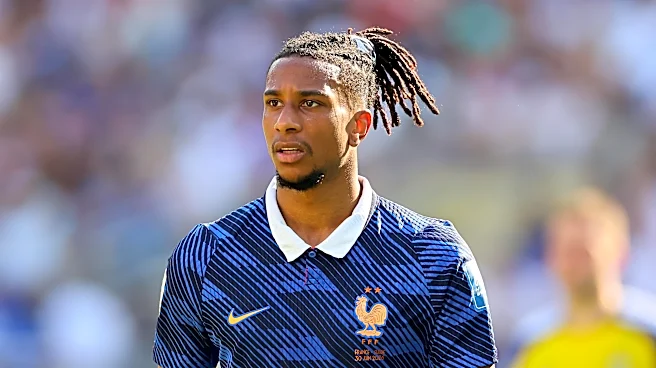
Long gone are the days when athletes’ fashion sense was limited to team-issued tracksuits. A new generation of footballers has embraced the role of style icon, turning pre-match arrivals into major fashion moments. Leading the charge is French defender
Jules Koundé, who treats the tunnel at FC Barcelona and the French national team's camp at Clairefontaine like a personal catwalk. Koundé, known for mixing luxury brands like Louis Vuitton and Prada with emerging designers, has acknowledged his status as a fashion trendsetter, seeing his eccentric and thoughtful outfits as an extension of his personality. He is not alone. Players like England’s Jude Bellingham, with his preference for understated quiet luxury, and the ever-stylish Kylian Mbappé, a Dior brand ambassador, have proven that modern footballers are as fluent in fashion as they are in football. Their curated looks, from sharp tailoring to bold streetwear, are meticulously documented on social media, influencing trends far beyond the stadium.
From the Pitch to the Pavement
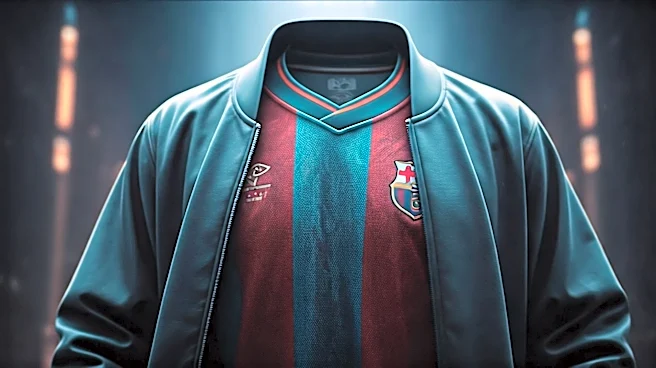
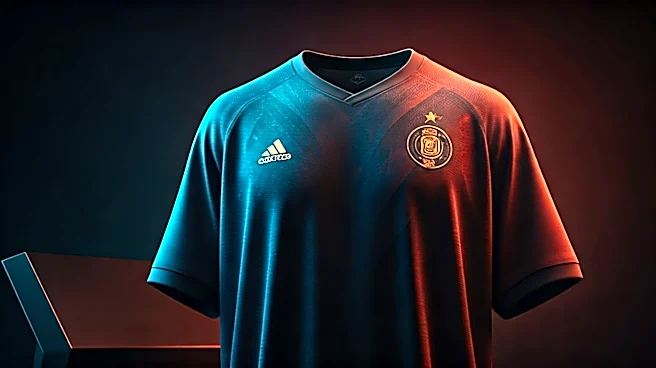
The style revolution isn't just happening in the stadium tunnels; it's pouring onto the streets. The single biggest trend defining this World Cup's fashion landscape is "blokecore." Coined on TikTok, the aesthetic is built around wearing soccer jerseys—or "kits"—as everyday fashion staples. Paired with baggy jeans, cargo shorts, and retro sneakers like the Adidas Samba, the look is rooted in 1990s British football fan culture but has been adopted globally. During this tournament, searches for World Cup jerseys have skyrocketed, with fans and fashion influencers alike embracing both new national team kits and coveted vintage designs. The trend has even spawned a sub-genre, "blokette," which pairs oversized jerseys with more traditionally feminine items like mini skirts, lace, and ribbons, creating a deliberate contrast that has also taken over social media feeds.
The Brand Blitz
Luxury fashion houses have taken notice, turning the World Cup into a prime marketing opportunity. The synergy between football and high fashion is stronger than ever, with brands treating clubs and players like fashion week headliners. Loewe, for example, has entered a partnership to design off-pitch travel wardrobes for Spain's national teams, while Jacquemus has collaborated with Nike on a collection for the French team. These partnerships go beyond simple endorsements, embedding high fashion into the very fabric of the tournament. Real Madrid has a deal with Louis Vuitton for travel gear, Inter Milan is outfitted by Moncler, and Paris Saint-Germain has a long-standing relationship with Dior. These collaborations recognize that modern footballers are powerful global influencers, capable of moving culture and commerce with a single outfit post.
A North American Runway
With matches held in cities across the United States, Mexico, and Canada, the 2026 World Cup is set against a backdrop of diverse and vibrant street cultures. This North American setting provides a unique runway for the intersection of soccer and style. From the laid-back West Coast vibe of Los Angeles to the bustling, trend-setting streets of New York and the rich cultural tapestry of Mexico City, each host city will add its own flavor to the month-long style showcase. Fans will mix their national team's colors with local trends, creating a unique fusion of global and regional styles. Expect to see jerseys paired with everything from cowboy boots in Dallas to artisanal crafts in Guadalajara, making the fan parks and city streets as much a spectacle of style as the games themselves. It's a celebration not just of the beautiful game, but of the individual expression it inspires worldwide.