






A Masterclass in Sensory Overload
Before you can find the magic of Comic-Con, you first have to survive it. The sheer scale is the first thing that hits you. The San Diego Convention Center is a sprawling beast on its own, but during the con, it becomes the heart of a much larger organism.
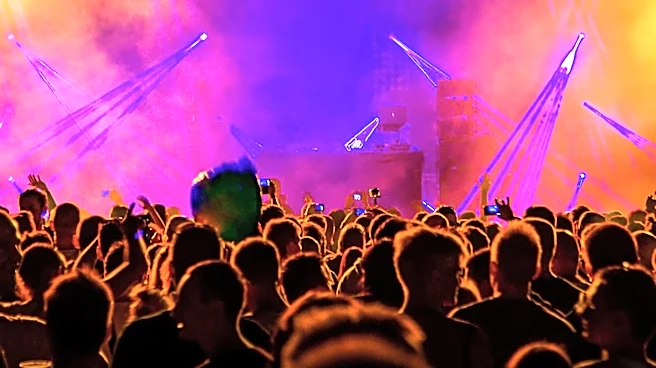
The crowd, which has been capped at over 130,000 for years, spills out into the entire Gaslamp Quarter, with hotels, parks, and restaurants transforming into fan-centric zones. Just moving through the main exhibit hall can feel like swimming upstream against a tide of people, a slow-motion battle where you're surrounded by everything, all at once: blockbuster movie sets, a cacophony of video game demos, and the constant hum of a massive, excited crowd. It’s loud, it’s hot, and personal space is a forgotten luxury. For a first-timer, the instinct is often simple survival.
The Ritual of the Line
If the crowd is the body of Comic-Con, the line is its soul. Waiting is a fundamental, non-negotiable part of the experience. Do you want to get into the legendary Hall H for a chance to see movie stars reveal a new trailer? You’ll be camping out overnight. Want that exclusive action figure? Get ready for a multi-hour queue. This might sound like a special kind of fan-fueled misery, and in some ways, it is. The exhaustion is real. Yet, something unexpected happens in those lines. Strangers, united by a common goal, start talking. They share snacks, save spots for bathroom breaks, and debate the merits of a comic book’s film adaptation. The line becomes a filter, a shared trial that fosters an immediate, unspoken bond. It’s the first hint that the overwhelming nature of the con might have a hidden purpose.
Finding Your People in the Crowd
The pivot from “overwhelming” to “welcoming” happens when you stop seeing the crowd and start seeing the individuals. It’s the moment you spot someone in a deep-cut cosplay from your favorite obscure anime and share a nod of mutual respect. It’s striking up a conversation with the person next to you in a panel, realizing you both have the same passionate, niche theory about a show's next season. This is the “weirdly welcoming” part. In the real world, encyclopedic knowledge of a fictional universe might make you feel isolated. Here, it makes you a friend. The very thing that makes Comic-Con a spectacle for outsiders—the elaborate costumes and intense fandom—is what makes it a sanctuary for attendees. It's a place built on the C.S. Lewis principle of friendship: “What! You too? I thought I was the only one.” At Comic-Con, you are never the only one.
A Temporary City Built on Passion
Ultimately, Comic-Con’s welcoming nature isn't just about finding individuals; it's about becoming a citizen of a temporary city. For four days, the normal rules of society are suspended and replaced by the principles of fandom: enthusiasm, creativity, and acceptance. You can be your truest, most passionate self without fear of judgment. That overwhelming crush of people isn't a bug; it's a feature. It’s the physical manifestation of millions of people’s passion, concentrated into one vibrant, chaotic, and profoundly human space. The entire city outside the convention center embraces the event, from themed cocktails to immersive off-site experiences that are often free to the public. This city-wide takeover reinforces the feeling that for one week, the world has been remade for you and your interests.