





The Anatomy of the Moment
A penalty shootout is the sport’s ultimate tie-breaker, a brutal distillation of skill and nerve. After 120 minutes of tactical warfare, the collective effort of 11 players is suddenly rendered irrelevant. It all comes down to a series of one-on-one duels
from 12 yards out. The pressure is immense. Studies show that a player's success rate drops significantly in a shootout compared to a penalty taken during regular play. The fear of being the one to lose the game often outweighs the hope of winning it. This concept, known as "loss aversion," explains why players who must score to avoid elimination convert only about 60% of the time, whereas those shooting to win the match succeed over 90% of the time. It’s a moment so intense it can feel less like an opportunity and more like a threat.
The Ghost of Pasadena
No player embodies this phenomenon more than Roberto Baggio. In the 1994 World Cup final, after single-handedly dragging Italy through the knockout rounds, he stepped up for the decisive kick against Brazil. His shot sailed over the crossbar. The image of Baggio, hands on hips, staring into the middle distance as Brazilians celebrated became an instant, tragic symbol of failure. In that moment, it didn't matter that two other Italians had already missed. Memory is rarely fair, and the narrative chose its villain. Baggio, one of the most gifted players of his generation, became known as “the man who died standing.” For years, that one kick unfairly overshadowed a brilliant career, a haunting reminder that a single mistake can write a history that context can’t erase.
The Psychology of Twelve Yards
What happens in a player’s mind during that long walk? According to sports psychologists, it’s a battle against an avalanche of negative thoughts. The body’s stress response kicks in, quickening the heart rate and compromising the fine motor control needed for a precise shot. The walk from the halfway line to the penalty spot provides too much time to think—about the millions watching, the national expectation, and the devastating possibility of failure. Players who rush the kick are statistically more likely to miss, succumbing to a desire to just get it over with. Conversely, those who develop a deliberate, calming pre-kick ritual can regain a sense of control in a moment that feels anything but. It's a mental war fought in plain sight.
The Narrative of a National Curse
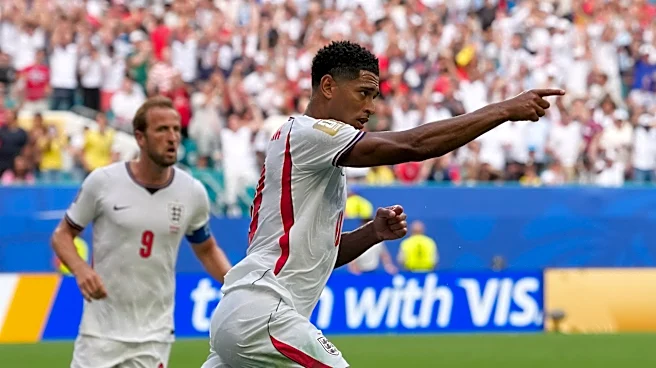
Sometimes, the weight of a missed penalty is passed down through generations, defining not just one player but an entire nation's soccer identity. For decades, England was the prime example. Starting with Stuart Pearce and Chris Waddle in the 1990 World Cup semifinal, a string of high-profile shootout losses created a national trauma. Players like Gareth Southgate, David Batty, and others became part of a painful lineage. The misses in 1990, 1996, 1998, 2004, 2006, and 2012 created a self-fulfilling prophecy, a subconscious fear that another failure was inevitable. This "curse" narrative shaped the perception of an entire era of English football, regardless of the talent on the field. Every knockout stage appearance was shadowed by the dreaded question: what if it goes to penalties?
Breaking the Spell
But legacies aren't permanent. An era defined by misses can be redeemed. Under the management of Gareth Southgate—a man who knew the pain of a miss firsthand—England began to approach shootouts not as a lottery but as a trainable skill. The team started practicing penalties under pressure and focusing on the psychological details. The shift in mindset paid off. A shootout victory against Colombia in the 2018 World Cup felt like a national exorcism. While a loss in the Euro 2020 final showed the agony remains possible, the old narrative of inevitable failure was broken. It proved that while a single miss can define an era, it doesn't have to define the future. A new story can always be written, one kick at a time.