





It’s Not Magic, It’s Materials Science
First, let's talk about the armor itself. For centuries, protection meant weight. Think of medieval knights clanking around in heavy steel. Today, the game has completely changed due to materials science. Instead of just relying on thick metal, modern
armor uses advanced composites. Materials like Kevlar, a synthetic fiber that is five times stronger than steel on an equal weight basis, revolutionized soft body armor. But for protection against higher-velocity threats, the innovation doesn't stop. Ultra-High Molecular Weight Polyethylene (UHMWPE) is a type of plastic that is so strong and light it can stop rifle rounds while being significantly less heavy than steel or even ceramic plates. By weaving these fibers and layering them in sophisticated ways, engineers can create armor that offers incredible protection without the crushing weight of its predecessors, enhancing mobility and reducing fatigue for soldiers and law enforcement.
The Real Game-Changer: Powered Exoskeletons
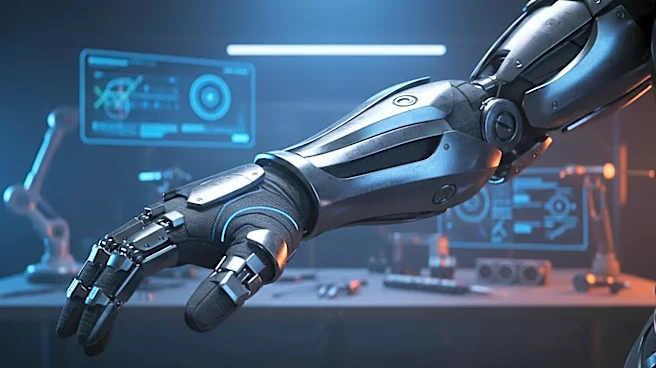
While lighter materials are a huge step, the most direct answer to making heavy gear feel weightless is the powered exoskeleton. These are wearable robotic frameworks that augment the user's strength and endurance. Using a combination of electric motors, hydraulics, sensors, and artificial intelligence, an exoskeleton can actively counteract the weight of a heavy load, including armor. A soldier carrying a 100-pound pack and wearing 30 pounds of armor might only feel a fraction of that burden. The exoskeleton's frame supports the weight and transfers it directly to the ground through its own structure, bypassing the user's muscles and joints. Early prototypes like Lockheed Martin's HULC (Human Universal Load Carrier) were designed to allow soldiers to carry up to 200 pounds with minimal effort. The suit detects the user's movements and provides powered assistance at the hips and knees, making the load feel almost nonexistent.
Passive Systems and Clever Engineering
Not all solutions require batteries and motors. There are also 'passive' exoskeletons. These unpowered devices use clever mechanical systems like springs and counterweights to redirect and redistribute weight. Imagine a construction worker using a heavy grinder for an overhead task. A passive exoskeleton arm can support the tool's weight, transferring the load to the user's hips or a stable frame, dramatically reducing strain on their arms and shoulders. While this doesn't make armor itself 'weightless,' the principle of load transference is key. By designing harnesses and frames that distribute the weight of armor plates more evenly across the strongest parts of the body—the hips and legs instead of just the shoulders and back—the perceived weight and resulting fatigue can be significantly reduced.
Beyond the Battlefield
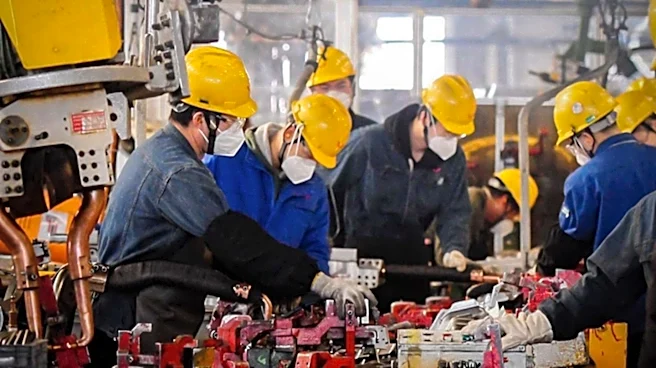
The technology making 'weightless' armor possible has applications far beyond the military. In manufacturing and logistics, powered exoskeletons allow workers to lift heavy parts or packages all day without risking injury. Automakers and other industrial companies are already deploying these systems to reduce workplace fatigue and strain. In the medical field, exoskeletons are helping patients with spinal cord injuries or mobility impairments to stand and walk again. These rehabilitative suits use the same principles of powered assistance to support the patient's body weight and guide their movements. What starts as a military project to help a soldier carry a heavy load can evolve into a tool that gives someone the ability to walk again or allows a nurse to safely lift a patient.