

The Surgical Substitution
This is the most visible coaching move, but its genius often lies in its subtlety. It’s not just about swapping a tired player for a fresh one. A great substitution is about creating or exploiting a specific mismatch. Think of a basketball coach inserting a smaller, quicker guard to harass an opponent’s star ball-handler who has been too comfortable. Or in soccer, bringing on a tall striker in the final 10 minutes to target a weary defense with long balls and headers. This isn’t just adding fresh legs; it’s changing the question the other team has to answer. Suddenly, the defensive scheme that worked for 70 minutes is obsolete. The opponent has to adapt on the fly, often leading to confusion, fouls, and fatal errors. The right player at the right time
doesn't just change the personnel; they change the entire geometry of the game.
The Halftime Overhaul
If a mid-game substitution is a scalpel, the halftime adjustment is a full schematic overhaul. This is the coach as a grand strategist. Fifteen minutes in a locker room can be the most important quarter-hour of a contest. A football coach might notice their offensive line is getting beaten by a specific blitz package. At halftime, they can ditch parts of the playbook, install new blocking assignments, and switch to quick passes that neutralize the pass rush. The team that comes out for the second half runs a completely different offensive philosophy. For the defense that was dominating, it's like their carefully prepared test answers are suddenly for the wrong exam. They spent a week preparing for one thing, and now they're facing something entirely new. This forces hesitation, kills aggression, and can completely nullify a team’s first-half advantage.
Weaponizing the Timeout
In the flow of a fast-paced game like basketball, momentum can feel like an unstoppable force. An 8-0 run can quickly become a 16-0 avalanche that buries a team. The single most effective tool against this is the humble timeout. A smart coach doesn't just call a timeout when their team is struggling; they call it to ice the *other* team. It breaks their rhythm, forces them to sit and think about their hot streak, and often cools them off. It’s a manufactured stoppage designed to kill a psychological edge. For their own team, the timeout is a pressure-release valve. It’s a chance to breathe, receive a single, clear instruction (“Stop letting #23 get to his left hand!”), and reset mentally. The coach calms frayed nerves, reminds players of the game plan, and stops the bleeding before it becomes a hemorrhage. It's less about drawing up a miracle play and more about managing the emotional current of the game.
Playing the Psychological Game
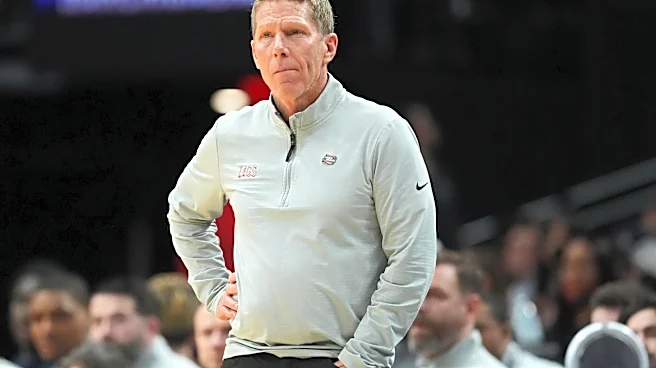
Sometimes, the most impactful change has nothing to do with X’s and O’s. It’s about managing the human element. A coach’s demeanor sends a powerful message. A calm, stoic presence on the sideline can project confidence to a team that’s starting to panic. Conversely, a fiery, animated outburst (sometimes even directed at a referee to draw a technical foul) can galvanize a lethargic squad, signaling that it’s time to fight. This extends to pre-game motivation and in-game messaging. A coach might remind a team of a past success to boost their belief or challenge their pride to spark a response. They might simplify the objective to an almost primal level: “Win the next five minutes.” This shrinks the monumental task of a comeback into a manageable, bite-sized goal. By managing his team's psyche, a coach can unlock a level of performance that no diagram on a whiteboard ever could.