
Myth: Minimalism Means Using Fewer Products
The most common misunderstanding is that a minimalist routine is defined by a specific number of products, usually three or fewer. This leads people to either discard essential steps or feel like they've
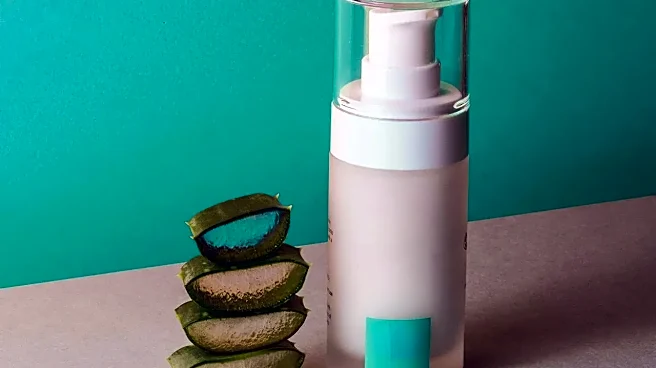
failed if they need more than a cleanser and moisturizer. This numbers-focused approach is a marketing invention, designed to sell you on the idea of simplicity itself. Brands often use clean, sparse packaging to visually signal this restraint, making consumers associate the aesthetic with the philosophy. But the number of bottles on your shelf is irrelevant.
Reality: It's About Intentionality and Efficacy
True minimalist skincare isn't about scarcity; it’s about purpose. The goal is to use only what your skin genuinely needs and nothing more. This means every product in your routine serves a specific, necessary function. For some, that might be a simple trio of cleanse, moisturize, and protect. For someone with acne or hyperpigmentation, it might mean five targeted products. The core philosophy is about choosing fewer, better formulas with effective, high-quality ingredients and eliminating the redundant, irritating, or purely trendy extras that don't contribute to your skin’s health. It’s a shift from collecting products to curating solutions.
Myth: You Can Buy a Pre-Packaged Minimalist Kit
It seems logical: if you want a minimal routine, buy a kit labeled “minimalist.” Brands have capitalized on this by bundling three or four products together and marketing them as a complete, simplified solution. They sell the convenience of not having to think. However, this often defeats the purpose, as these one-size-fits-all systems may contain products that are wrong for your skin type or include ingredients you don’t need. It’s the illusion of personalization, where you're buying into a brand's idea of minimalism, not your skin’s actual requirements.
Reality: Your Ideal Routine is Highly Personal
A truly effective minimalist routine is not one-size-fits-all; it's a bespoke regimen built around your unique skin. Building it requires listening to your skin, understanding its needs (oily, dry, sensitive, etc.), and selecting individual products to meet those needs. This might mean using a cleanser from one brand, a serum from another, and a sunscreen from a third. The focus shifts from brand loyalty to ingredient efficacy. It's a deliberate process of identifying your non-negotiables—like a gentle cleanser, a functional moisturizer, and daily SPF—and then cautiously adding a targeted treatment only if necessary.
Myth: It's Always Cheaper and Faster
The promise of saving time and money is a huge draw for the skinimalist trend. The marketing often implies you’ll spend less by buying fewer things and be out of the bathroom in two minutes flat. While this can be true, it’s not a guarantee. The initial phase of finding your perfect, simple routine can involve trial and error. Furthermore, prioritizing high-quality, multitasking formulas may mean spending more on a single product than you would on several cheaper, less effective ones.
Reality: It Prioritizes Long-Term Skin Health
The real benefit of a minimalist approach isn't necessarily a lower cost but a higher return on investment for your skin's health. By eliminating unnecessary products and potential irritants, you reduce the risk of compromising your skin barrier—the protective layer that keeps moisture in and aggressors out. Overloading the skin with too many active ingredients can lead to redness, sensitivity, and breakouts. A simplified, consistent routine allows the skin to function optimally, often leading to a more balanced and resilient complexion over time. It’s about achieving skin health, not just chasing trends.