



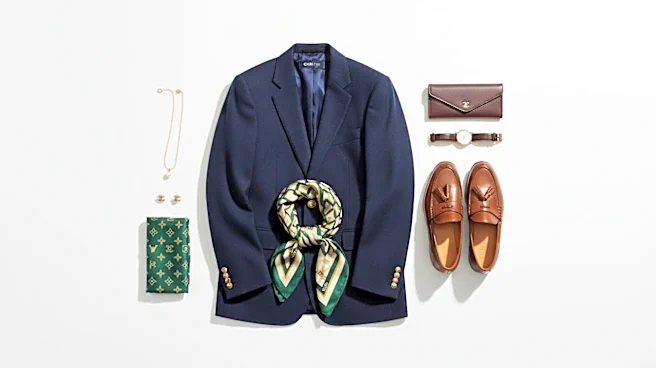



The Myth: A Strict Uniform of Preppy Minimalism
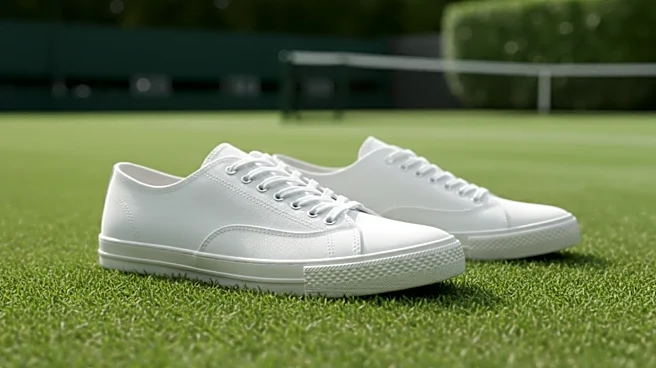
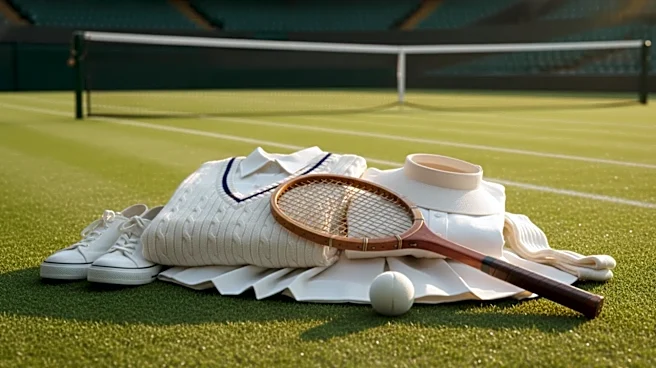
Today, Wimbledon style is defined by its rules. Players must wear “suitable tennis attire that is almost entirely white.” This rule, which has become stricter over time, bans off-white and cream and limits any color trim to a single centimeter. The result
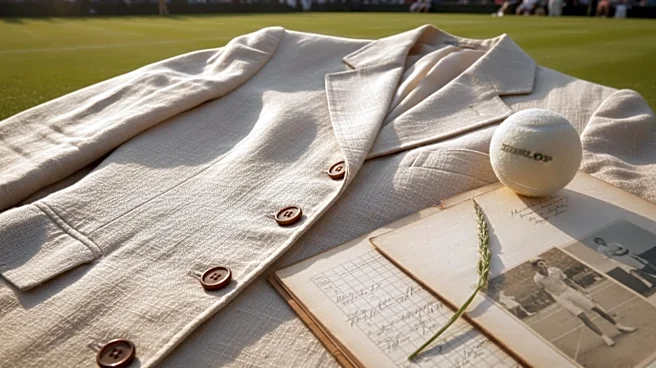
is a highly curated aesthetic that often reads as preppy minimalism. For spectators, this translates into a sea of crisp linen, tailored blazers, and classic polo shirts. It’s a look that feels safe, controlled, and deeply rooted in a tradition of upper-class propriety, harkening back to the Victorian idea that visible sweat was unseemly. This modern interpretation suggests a long, unbroken history of a singular, spartan dress code—a pure costume for the world’s most famous tennis tournament.
The Reality: An Era of Radical Silhouettes
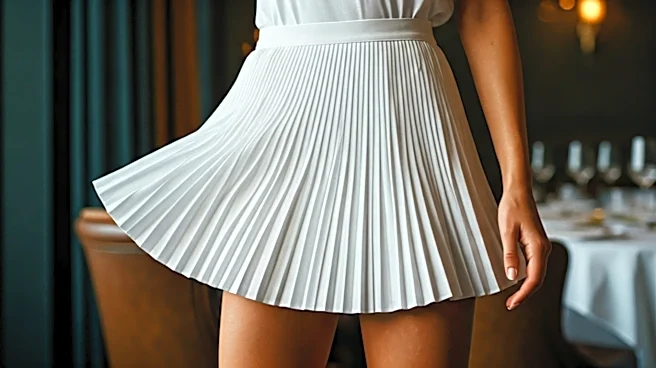
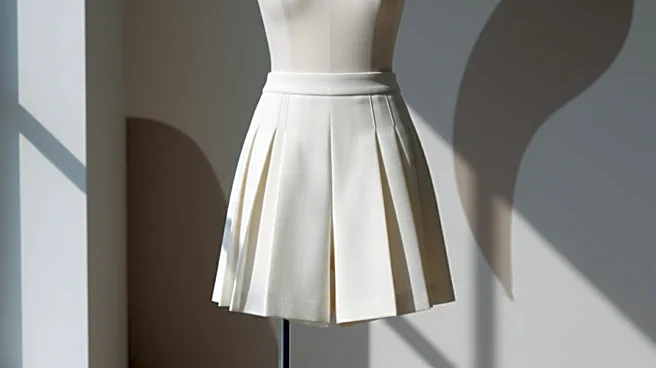
The 1930s tells a different story. Far from being a period of quiet conformity, it was an era of dramatic sartorial evolution on the court. While players still wore white, the focus was on silhouette and personal expression. The decade built on the revolutionary spirit of the 1920s, when French star Suzanne Lenglen scandalized the establishment by playing in calf-length skirts, bare arms, and chic headbands designed by Jean Patou. In the '30s, players like the formidable Helen Wills Moody popularized the knee-length pleated skirt, a far cry from the floor-length dresses of previous generations. Paired with her signature eyeshade, her look was functional, modern, and distinctly personal—more about athletic freedom than minimalist costume. Other players, like Helen Jacobs, adopted tailored shorts, pushing a more masculine and powerful aesthetic.
The Reality: When Men Abandoned Trousers
The myth of a static, uniform-like code is perhaps most effectively debunked by the men's wardrobe revolution of the 1930s. Until then, male players wore heavy, sweat-soaked cricket flannels. That changed in 1932, when British player Henry “Bunny” Austin became the first man to wear shorts at Wimbledon. He decided the traditional trousers were too cumbersome and weighed him down, so he simply bought a pair of shorts and wore them on court. This was not a minor tweak; it was a radical departure driven by practicality and performance. Around the same time, another British star, Fred Perry, was defining his own on-court style. His success in lightweight, breathable polo shirts—launched as a brand in 1952—proved that athlete-led design and personal branding were already part of the game. This was innovation, not minimalist obedience.
The Reality: Personality Beyond the White
While “tennis whites” were the standard, the 1930s show that personality was paramount. The obsession with pure, optic white is a more recent tightening of the rules. In that era, the interpretation was looser, allowing for variation in fabric, texture, and accessories that broke up the monotony. Players used bandanas, visors, and even jewelry to express individuality. Spanish player Lili de Alvarez wore culottes designed by the surrealist couturier Elsa Schiaparelli on the court in 1931, a high-fashion statement that blended style with athleticism. These weren't athletes conforming to a preppy code; they were pioneers defining a new kind of sportswear, one where elegance and movement could coexist. The style was less about fitting into a pristine, minimalist box and more about standing out through clever design and personal flair.