
The Power of Texture Contrast
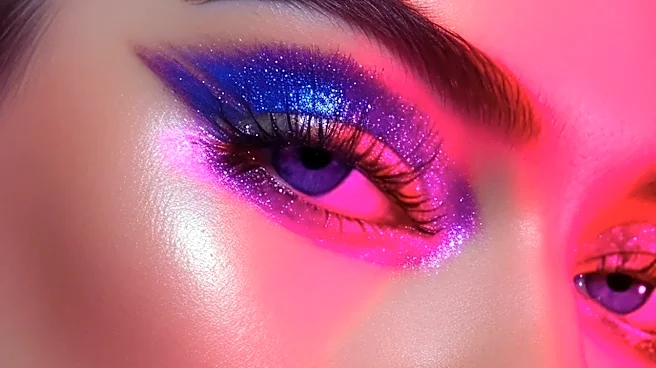
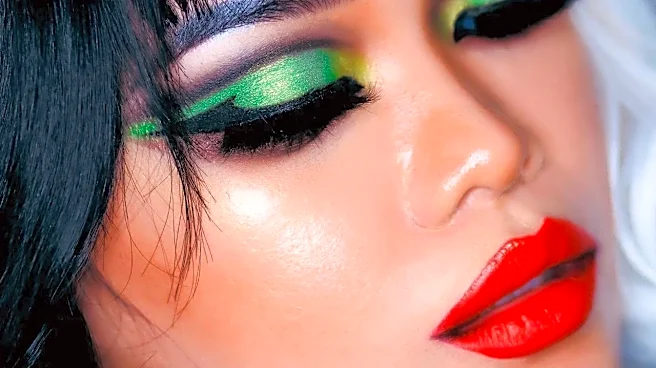
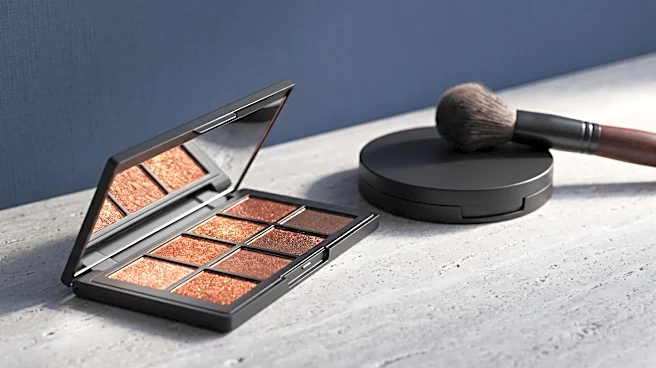
The core principle at play is texture contrast. In art and design, contrast is used to create focal points and guide the viewer's eye. Makeup artistry follows the same rule. Metallic eyeshadows have a high-shine,
reflective finish that catches the light. When you place that high-shine texture next to a skin finish that is more controlled—like matte or satin—the eye makeup immediately becomes the star of the show. This intentional contrast reads as sophisticated and clean. Conversely, when you pair a shimmery eye with an equally dewy, luminous, or glittery complexion, the textures compete. Instead of a clear focal point, the entire face can reflect light, which can sometimes translate as oily or unstructured rather than intentionally radiant.
What 'Controlled' Skin Really Means
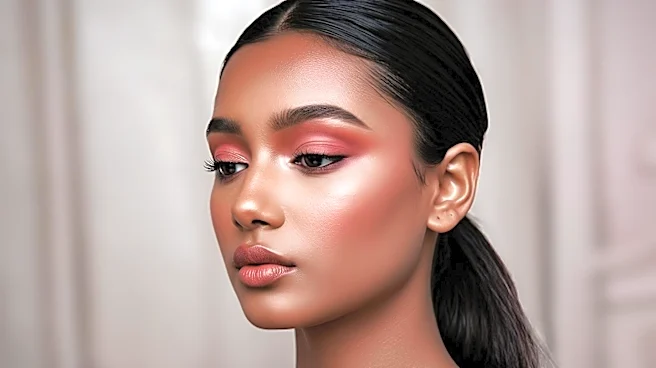
A 'controlled' skin finish isn’t about looking flat or lifeless; it’s about strategically managing shine. The most effective finishes for pairing with metallic eyes are matte, demi-matte, or satin. A matte finish has little to no shine and provides a velvety, smooth canvas that makes any texture placed on top of it pop. A satin or demi-matte finish is the happy medium—it has a subtle, skin-like luminosity without appearing wet or overly shiny. This mimics the look of healthy skin without creating distracting reflective points that would clash with a foil-like eyeshadow. Celebrity makeup artists often opt for this balance, ensuring the skin looks flawless but allows the bold eye look to remain the central focus.
The Pitfall of Too Much Glow
The 'glass skin' or ultra-dewy look has been popular, but it’s a tricky partner for metallic eyes. When your foundation, highlighter, and skin prep are all geared toward maximum shine, adding a metallic eyeshadow can be overkill. The light bouncing off your cheekbones, forehead, and eyelids all at once can create a finish that looks less like a deliberate glow and more like the natural oils breaking through your makeup. The metallic effect on the eyes loses its special quality and can even make heavily textured shadows look gritty or messy. By controlling the skin's finish, you ensure the metallic pigment's unique, light-catching properties are what draw attention.
A Step-by-Step Guide to the Perfect Base
Achieving a controlled base that enhances metallic eyeshadow is straightforward. First, start with primer. A silicone-based or blur primer can help smooth skin texture and fill in pores, creating an even canvas. Next, choose a liquid or cream foundation with a natural matte or satin finish. Apply it in thin layers, building coverage only where needed. After applying your foundation and concealer, strategically use a translucent setting powder. Instead of powdering the entire face, focus on the T-zone—the forehead, nose, and chin—and under the eyes to lock in concealer and prevent creasing. This keeps the center of your face matte while allowing some natural dimension on the perimeter. Finally, when adding blush, bronzer, or contour, opt for matte formulas. Using a matte bronzer to add warmth will complement the metallic eyes without introducing competing shimmer.