




More Than Just a Batwing
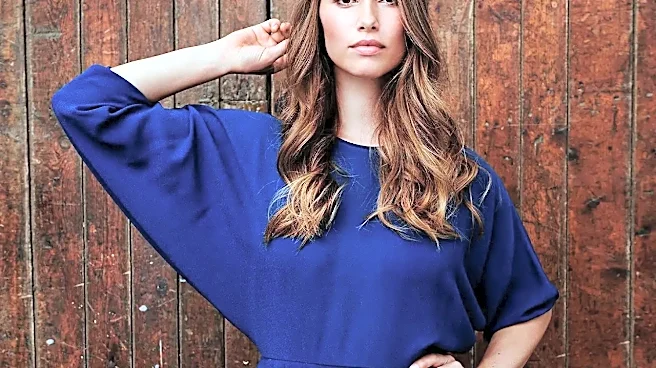
First, let's clear up what a dolman sleeve actually is. While often used interchangeably with "batwing," the dolman is technically a sleeve cut as one continuous piece with the garment's bodice. Instead of a separate tube of fabric attached at the shoulder,
the fabric flows directly from the torso into the arm, creating a deep, wide armhole. The result is a distinct, cape-like drape under the arm that can range from subtly blousy to dramatically flowing. This ingenious construction is the key to its signature comfort and style. It eliminates the restrictive shoulder seam, allowing for unparalleled freedom of movement, a quality that has made it an enduring favorite for centuries.
From Ottoman Robes to Military Chic
The sleeve’s story begins not on a runway, but in the Middle East. The term “dolman” is derived from the Turkish word for a loose, robe-like garment. This concept traveled to Europe and was famously adapted by Hungarian Hussars, a formidable light cavalry, for their military uniforms. These tight-fitting jackets, often worn with a second coat slung over the shoulder, weren't exactly comfortable, but they established the name in the European consciousness. It wasn’t until the latter half of the 19th century that women's fashion co-opted the idea. Victorian designers created dolman mantles, a hybrid of a coat and a cape, with wide, integrated sleeves perfect for wearing over the voluminous bustles of the era.
The 20th Century's Secret Weapon
The dolman sleeve truly hit its stride in the 20th century, proving its remarkable adaptability. In the 1940s, it became a symbol of wartime glamour. The elegant, flowing lines offered a touch of Hollywood drama and sophistication at a time when people craved it. Though its use of fabric was briefly a casualty of wartime rationing, it came roaring back in the post-war era. The sleeve saw its next major revival in the 1980s. The oversized, powerful silhouette of the dolman was a perfect match for the era of power dressing. Paired with shoulder pads, it created a strong, commanding look, whether on a silk blouse or a cozy sweater. This journey from 1940s elegance to 1980s excess showcases the sleeve’s unique ability to reflect the spirit of the times.
The Genius of the Cut
The enduring appeal of the dolman lies in its brilliant, deceptively simple design. By eliminating the armhole seam, it creates a garment that drapes beautifully across the body, flattering a wide variety of figures. The generous cut under the arm offers comfort and a relaxed feel, while the typical tapering towards the wrist prevents the silhouette from becoming overwhelming. It’s a masterclass in using fabric and cut to create shape and movement. In a soft knit, it feels like a comforting hug. In a crisp woven fabric, it can look architectural and modern. In slinky silk, it’s pure elegance. This versatility is what most guides miss; the dolman isn’t just one look, but a canvas for texture, drape, and personal style.