



A Different Kind of Red Carpet
To understand why the American Music Awards became a playground for fashion risk-takers, you have to understand the show’s DNA. Created in 1973 by Dick Clark as a competitor to the Grammys, the AMAs were designed to be a populist alternative. Winners are determined by polls of music fans and record buyers, not industry insiders. This fan-first focus has always given the show a looser, more energetic, and less self-serious vibe than its peers. It’s less about appealing to critics and more about connecting with the audience. For artists, this translates to freedom. The pressure to conform to the stiff, old-Hollywood glamour of the Academy Awards or the high-art pretension of the Met Gala simply isn't there. Instead, the AMA red carpet has always been
an extension of the performance—a place to establish a persona, make a statement, and have some fun.
The Pioneers of Peacocking
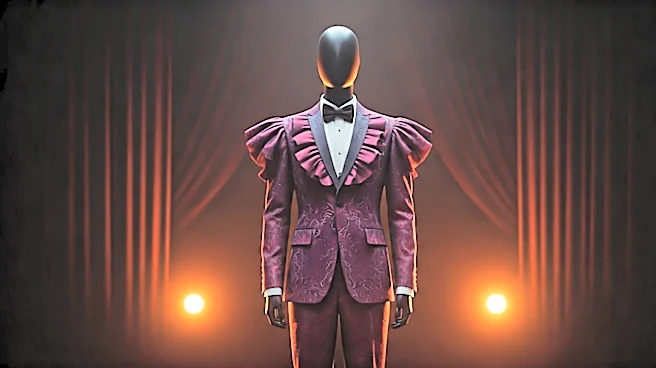
This fertile ground for experimentation was cultivated early on by true originals. Look no further than Prince. In the 1980s, he treated the AMAs as his personal runway, arriving in ruffled shirts, high-heeled boots, and sequined, androgynous ensembles that blurred every line imaginable. His looks weren’t just outfits; they were integral to his musical identity—provocative, funky, and utterly unique. A few years later, MC Hammer literally changed the shape of menswear at the AMAs. His billowy, iconic “Hammer pants,” often in shimmering gold or bold patterns, were a pop-culture phenomenon. He didn’t just wear a suit; he wore a spectacle. These artists understood that the AMA audience wasn't looking for quiet elegance. They were looking for a show, and that started the moment an artist stepped out of the limo. They set a precedent: on this night, playing it safe is the biggest risk of all.
The Era of Personal Brands
Through the '90s and 2000s, the trend continued, albeit with the stylistic quirks of the times. This was the era of brand-building, where an artist's look was as important as their sound. While not every experiment was a success (let’s be honest, we’re all thinking of Justin Timberlake and Britney Spears’s matching all-denim nightmare from 2001), the spirit of adventure remained. Rock stars like Lenny Kravitz brought a bohemian, rock-god swagger with leather pants, unbuttoned shirts, and fur coats. Boy bands showed up in coordinated, often bizarre, outfits that were more about creating a unified group image than individual style. Even when the looks were questionable, they were rarely boring. The throughline was a rejection of the classic tuxedo in favor of something that screamed personality, whether that personality was “sexy rock star” or “guy in a pop group who got the shiny silver jacket.”
The Modern Vanguard
Today, the AMA red carpet is arguably the most exciting stage for menswear in the mainstream. A new generation of artists has inherited the legacy of Prince and MC Hammer and is running with it. Lil Nas X has become a fashion icon by deploying camp, glamour, and humor in his looks, from a shocking-green animal-print suit to a feathery white ensemble. Bad Bunny consistently pushes gender boundaries with his style, incorporating skirts, intricate nail art, and traditionally feminine silhouettes into his red-carpet appearances. Artists like Machine Gun Kelly and Post Malone use the AMAs to showcase their eclectic, tattoo-covered aesthetics with custom suits covered in spikes or bold, unconventional patterns. They aren't just wearing clothes; they're crafting narratives, challenging norms, and using fashion as a tool of self-expression—exactly what the American Music Awards have implicitly encouraged all along.