







The Shared DNA of Underdogs
At first glance, basketball and soccer seem worlds apart. But the anatomy of a stunning upset is universal. A bracket-buster in March Madness isn't just a bad team that gets lucky; it’s usually a well-coached, disciplined mid-major with a unique style
that throws blue-blood programs off their game. Think of a #12 seed with a veteran point guard and a tricky zone defense that stifles a favored #5 seed full of future NBA talent. Soccer’s dark horses operate on the same principle. They aren't the perennial powerhouses—the Brazils, Germanys, or Frances of the world. Instead, they are nations with a solid, often underestimated, core of players who buy into a specific tactical system. They might not have the most individual superstars, but they have something more potent in a short tournament: unbreakable team chemistry and a clear identity. They are organized, defensively stubborn, and opportunistic—a formula that makes them a nightmare for flair-heavy favorites who expect to walk through them.
Exhibit A: The Unbelievable Greeks of 2004
The gold standard for dark horse mythology is Greece’s shocking victory at the 2004 UEFA European Championship. They entered the tournament with 150-1 odds, a team known more for hard work than for dazzling skill. Their German coach, Otto Rehhagel, instilled a rigid, defensive-minded strategy that was often criticized as 'boring' but was brutally effective. They didn't care about possession or pretty passes. They defended with their lives, frustrated every opponent, and scored crucial goals from set-pieces. In a stunning display of consistency, they defeated the host nation, Portugal, in both the opening match and the final. It was the ultimate triumph of system over stars, a victory so improbable that it remains a benchmark for every underdog story in the sport.
Exhibit B: Croatia’s Golden Generation in 2018
A dark horse doesn’t always come from complete obscurity. Sometimes, it’s a team with undeniable talent that is simply not expected to challenge the absolute elite. Enter Croatia at the 2018 FIFA World Cup. Led by the brilliant midfielder Luka Modrić, they possessed a 'golden generation' of players plying their trade at top European clubs. Yet, they were seen as a tier below the tournament favorites. What followed was a testament to sheer grit. After cruising through their group, Croatia played three consecutive knockout games that went to extra time, winning two on penalty shootouts. They weren't just talented; they were mentally unbreakable. Their journey to the final, where they ultimately fell to a powerhouse French team, was a masterclass in endurance and belief. They proved that a dark horse can be powered not just by defense, but by a collective will that refuses to be broken.
Exhibit C: Morocco’s Historic 2022 Run
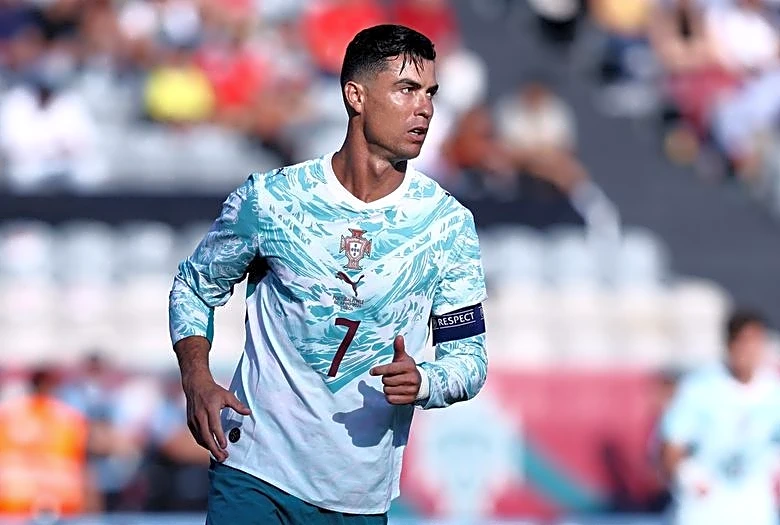
The 2022 World Cup in Qatar delivered one of the most inspiring dark horse stories of all time. Morocco, led by coach Walid Regragui, became the first African and Arab nation ever to reach a World Cup semifinal. Their path was littered with the corpses of giants. They topped a group containing 2018 finalist Croatia and #2-ranked Belgium. In the knockout stages, they deployed a suffocating defensive block and lightning-fast counters to eliminate Spain and then Cristiano Ronaldo's Portugal. Their success wasn't a fluke; it was a tactical masterpiece built on discipline, passion, and the unwavering support of a continent. Morocco didn’t win the trophy, but their run felt like a seismic shift, proving that the traditional world order of soccer could be spectacularly disrupted.