





The Thanksgiving Movie Blueprint
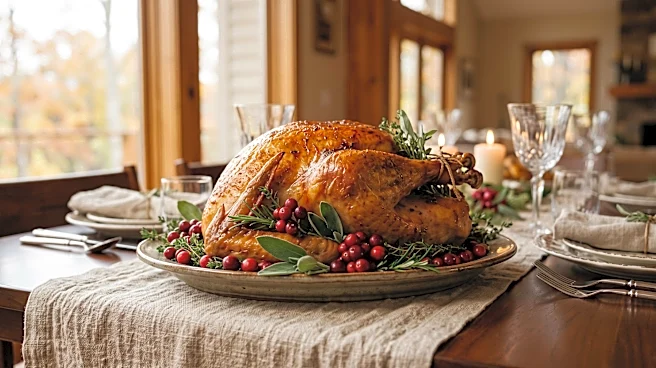
For decades, the Thanksgiving movie has followed a reliable, comforting formula. It’s a genre built on the charming dysfunction of the American family. The plot usually involves a stressful journey, a convergence on a family home, and a cast of quirky
relatives who grate on each other’s nerves. We expect wisecracks from the cynical sibling, unsolicited advice from the matriarch, and a simmering secret that finally boils over, often just as the turkey is being carved. But the key ingredient is always resolution. By the end, tensions have eased, grievances have been aired, and the family unit, though messy, is reaffirmed. It’s a cinematic security blanket, assuring us that no matter how chaotic things get, love and connection will ultimately prevail.
Welcome to the Anti-Holiday
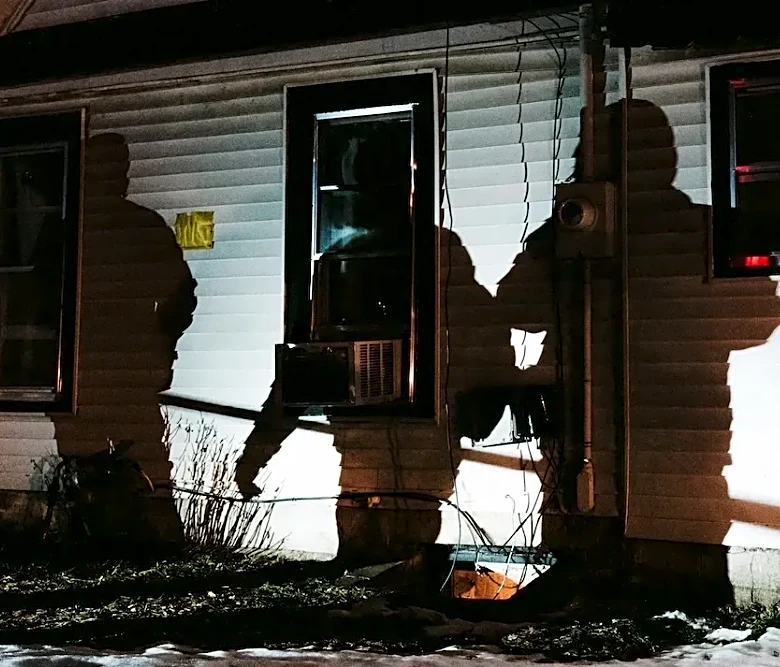
Stephen Karam’s 'The Humans' takes that blueprint and sets it on fire. The film, adapted from Karam's own Tony-winning play, invites the Blake family to Thanksgiving, but the setting is the first clue that something is deeply wrong. There is no warm, nostalgic family home. Instead, the gathering takes place in a cavernous, dilapidated, and barely furnished pre-war apartment in Manhattan's Chinatown. The walls are stained, the pipes leak, and unsettling thuds echo from the apartment above. Patriarch Erik Blake (Richard Jenkins) surveys the scene not with parental pride, but with a palpable sense of dread, disapproving of the run-down space that feels too close to Ground Zero and his lingering 9/11 trauma. The space itself is a character, and it’s not a friendly one; it’s a visual metaphor for decay and instability.
A Horror Movie in Disguise
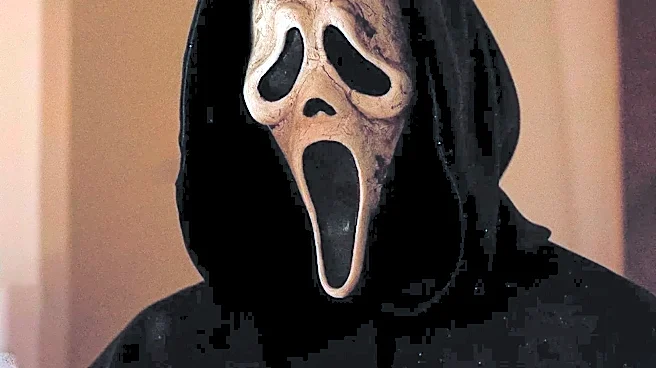
While most Thanksgiving films use comedy to diffuse tension, 'The Humans' uses the language of a psychological thriller to amplify it. Karam himself has described the story as a blend of family drama and thriller, a vision that becomes even more pronounced on screen. The film is punctuated by jump scares—not from a masked killer, but from a malfunctioning garbage disposal or a sudden bang from the pipes. The camera often lurks down long, dark hallways or peers through distant doorways, creating a sense of being watched. The constant flickering and failing of lights plunges the characters, and the viewer, into literal and figurative darkness. This isn’t the funny kind of chaos; it’s an oppressive, existential dread that suggests the real horrors aren’t supernatural, but the ordinary anxieties of money, health, aging, and unspoken resentments.
Secrets Without Catharsis
In a typical holiday movie, secrets are revealed to provoke a big, dramatic confrontation that leads to a tearful group hug. In 'The Humans', secrets are just burdens. As the evening wears on, the family’s troubles unspool not as melodrama, but as quiet, heartbreaking admissions of failure. Aimee (Amy Schumer) is dealing with a chronic illness and a painful breakup. Brigid (Beanie Feldstein) and her partner Richard (Steven Yeun) are struggling financially. The biggest bombshell comes from Erik, who confesses to an affair that cost him his job and pension, forcing him and his wife Deirdre (Jayne Houdyshell) into a precarious financial state. But the revelation doesn't lead to healing. It simply lands with a thud, another layer of disappointment and disillusionment that fragments the family rather than uniting them.
An Ending Without Comfort
Perhaps the film's most defiant act is its ending. The traditional Thanksgiving movie concludes with a shot of the happy, reconciled family. 'The Humans' ends with Erik, the patriarch, alone in the suffocating darkness of the apartment after the rest of his family has left. He is disoriented, whimpering, and praying in the dark, a man utterly consumed by his demons. There is no final moment of connection, no reassuring warmth. The physical proximity of the holiday has only highlighted the profound existential loneliness of each character. By refusing to provide the comfort and resolution we’ve come to expect, the film offers something far more unsettling but arguably more honest: a portrait of a family not coming together, but quietly drifting apart.