


It’s Not the 'Boo!', It’s the Buildup
The first time you watch a horror movie, the jump scares rely on the element of surprise. On repeat viewings, a different, often more potent, fear takes over: anticipation. Your brain knows the monster is about to lunge from the shadows. Your muscles
tense, your heart rate climbs, and your body floods with the same fight-or-flight chemicals, like adrenaline and endorphins, as if the threat were real. This state of dread, waiting for the inevitable shock, can be a more sustained and psychologically taxing experience than the initial surprise. It’s the grim pleasure of the rollercoaster climb, where the terror is in knowing the drop is coming, not in the drop itself. This controlled, predictable release of tension is a core part of what psychologists call "recreational fear."
You've Changed, and So Has the Fear
The movie hasn't changed, but you have. A horror story that was simply a fun slasher in your teens might hit differently in your thirties. The fears depicted on screen—loss, isolation, protecting a child, the breakdown of order—can gain a terrifying new relevance as your own life evolves. A story about a haunted house feels more personal after you’ve dealt with the anxieties of homeownership. The vulnerability of the characters in Halloween might seem more profound once you've felt responsible for the safety of others. Each viewing is filtered through a new set of life experiences, allowing old monsters to tap into new, more personal anxieties. This phenomenon gives classic horror stories an unnerving longevity, making them feel less like a static movie and more like a recurring nightmare that adapts to your deepest fears.
The Comfort of Controlled Terror
There's a reason we line up for haunted houses and watch scary movies from behind a blanket: we enjoy the thrill of being scared when we know, deep down, that we're safe. Psychologists sometimes refer to this as benign masochism—the enjoyment of a seemingly negative experience because our rational brain knows the threat isn't real. Watching a familiar horror movie is the ultimate safe space for fear. You know the final girl will make it (or not). You know the monster can't actually get you. This sense of control allows you to experience the exhilarating chemical rush of fear without any of the trauma. It’s a form of emotional regulation, a way to practice managing stress in a low-stakes environment, which can build real-world resilience.
Noticing New Layers of Dread
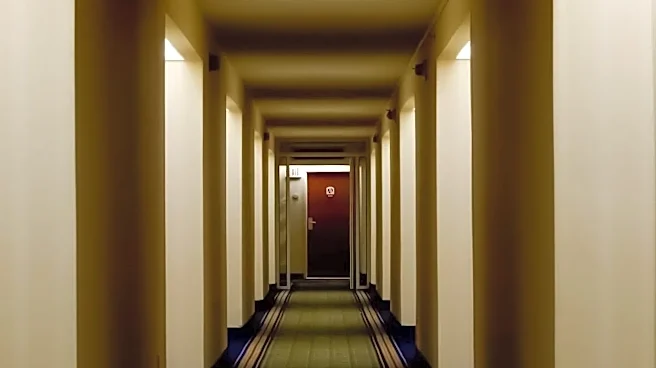
When your brain isn't preoccupied with following the plot, it's free to wander—and in a horror movie, that can be a terrifying thing. On your fifth viewing of The Shining, you're no longer just watching Jack Torrance's descent into madness; you're noticing the impossible window in the office, the unsettling patterns in the carpet, and the creepy, subtle continuity errors that enhance the film's theme of a crumbling psyche. With familiarity, the larger scares can fade in importance, replaced by a growing appreciation for the atmospheric dread and thematic depth the filmmaker intended. You start to see the artistry behind the fear, the subtle clues, and the narrative threads you missed before. It transforms the experience from a passive one of being scared to an active one of appreciating the craft of terror.