






The October Paradox
On paper, no month is more thematically perfect for the horror genre than October. The entire country embraces a spooky mood, providing a free marketing tailwind for anything designed to frighten audiences. Yet, a look at the box office calendar reveals
a counterintuitive truth: October is often a surprisingly soft, even perilous, month for theaters. It’s a period studios approach with caution. For instance, the weekend of October 24-26, 2026, saw the DC horror film 'Clayface' open to a modest $24 million. While decent for a mid-budget horror film, it's hardly the blockbuster number you might expect for a prime spooky-season release. The previous year, October 2025 was one of the worst-performing months for theaters in decades, with no film cracking a $40 million opening. This isn't a fluke; it's a feature of the modern movie release calendar.
A Calendar Crowded with Monsters
The primary challenge for Halloween-timed releases isn't a lack of audience appetite for scares; it's an abundance of competition for their time and money. October is a notoriously crowded corridor on the cultural calendar. For one, it's peak sports season. NFL and college football dominate weekends, while Major League Baseball playoffs command primetime attention, pulling away key demographics. Furthermore, Halloween night itself, especially when it falls on a weekend as it does in 2026, can be a dead zone for cinemas. Potential moviegoers are often at parties, trick-or-treating with family, or attending other events, not sitting in a dark theater. Studios are acutely aware that scheduling a major release on Halloween weekend can mean facing a steep drop-off in attendance precisely when a film should be hitting its stride.
The Looming Shadow of the Holidays
Hollywood's release strategy is built around a few key, high-stakes periods, and none are bigger than the Thanksgiving and Christmas corridors. Studios reserve their biggest, most expensive, four-quadrant blockbusters—the superhero sagas and animated family epics—for this late-year rush. A film released in mid-October has a very short runway before these behemoths arrive and consume all the marketing oxygen and premium screen space. A studio is unlikely to gamble a nine-figure horror tentpole in October when it knows that a film like 'Zootopia 2' is waiting to dominate the conversation just a few weeks later. The fall has instead become a launchpad for 'prestige' adult dramas and awards contenders, which compete for the same adult audiences that might otherwise turn out for a sophisticated horror film.
The Streaming Ghost in the Machine
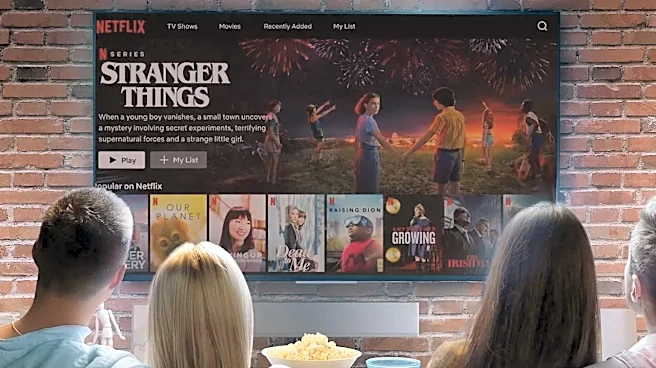
Perhaps the biggest disruptor to the Halloween box office is the streaming revolution. Services like Netflix, Shudder, and Max don't need to worry about box office returns. They can drop a high profile horror movie or series right before Halloween as a subscriber perk, satisfying the seasonal craving from the comfort of the couch. This fractures the audience and siphons off the casual horror viewer who, a decade ago, might have gone to the theater. While a big screen experience is still a draw, the sheer volume of 'spooky season' content available at home makes a trip to the multiplex a less essential part of the Halloween tradition. A streaming release can become part of the cultural conversation for a weekend before fading, which is a perfect model for a holiday specific film but a nightmare for a theatrical release that needs long term legs to be profitable.