





The Temptation to Banish the Gods
The shortcut is simple and seductive: get rid of the gods. In a modern, secular world, the idea of petty, squabbling deities meddling in human affairs can feel faintly ridiculous. Directors, eager to create a grounded, gritty historical drama, often write
them out of the script entirely. The most famous example is Wolfgang Petersen’s 2004 film Troy. Instead of gods and fate, the movie gives us purely human motivations: Agamemnon’s greed, Achilles’ pride, Paris’s foolish love. It’s a logical move from a commercial standpoint. The goal is to make the story relatable, to strip away the fantastical elements that might make a modern audience chuckle. The thinking goes that by focusing on the mortals, the story becomes more serious and emotionally resonant. But this tidy solution creates a much bigger problem.
What We Lose When the Gods Leave
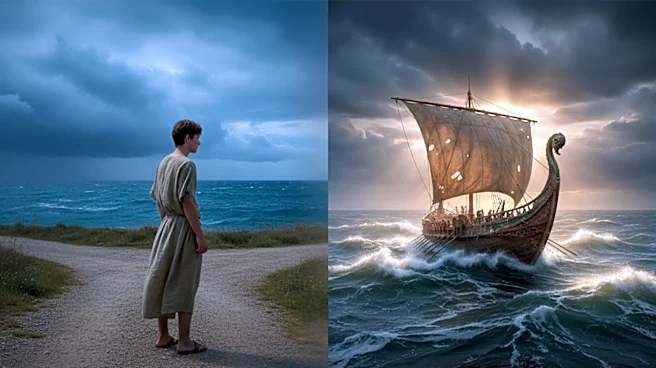
Homer's world without the gods isn't Homer's world at all. Divine intervention isn't just a plot device; it's the story's operating system. The gods in the Iliad and the Odyssey are the embodiment of forces beyond human control: fate, luck, passion, and the terrifying indifference of the universe. When Athena grips Achilles' hair to stop him from killing Agamemnon, it’s a physical manifestation of his own sudden, wiser impulse. When Aphrodite saves Paris from certain death, it shows how lust and cowardice can defy heroic logic. Removing the gods forces filmmakers to find mundane, psychological explanations for events that were meant to feel cosmic and overwhelming. It reduces the epic scale to a human one, trading a sprawling, terrifying, and awe-inspiring worldview for a straightforward historical reenactment.
Making Mortals Smaller, Not Bigger
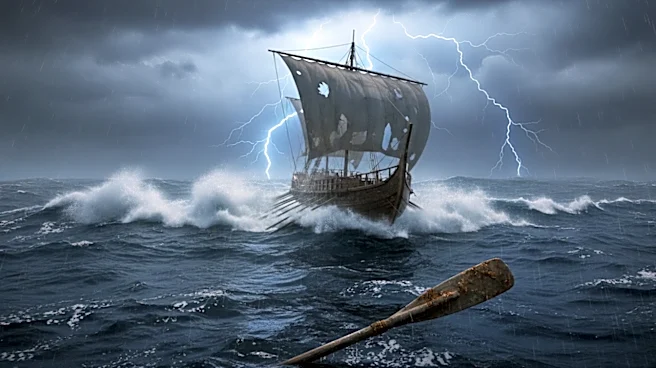
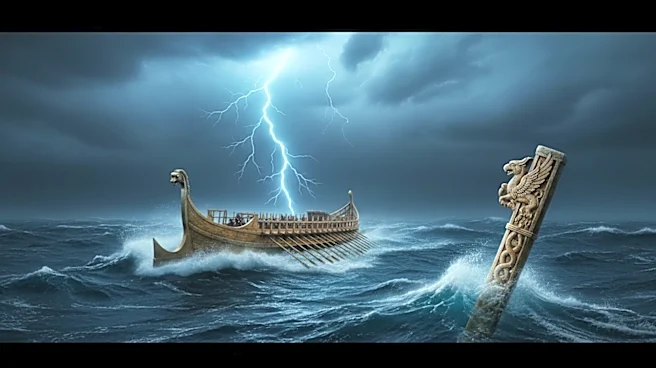
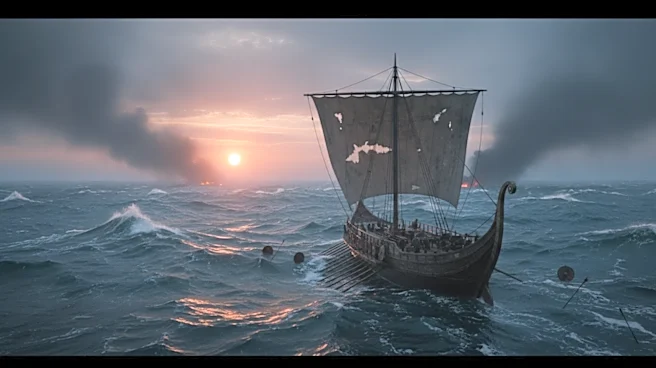
The irony of this secularizing instinct is that it doesn't elevate the human characters—it diminishes them. An Achilles who is just a really good soldier fighting for fame is far less interesting than an Achilles who is a demigod, knowingly raging against a destiny that a goddess-mother has foretold. His choice to fight at Troy, knowing it will kill him, is a negotiation with fate itself. Take away that divine framework, and he becomes a petulant superstar. Likewise, Odysseus isn't just a clever man trying to get home. He is a man wrestling with the favor of one god (Athena) and the fury of another (Poseidon). His ten-year ordeal isn't just bad luck; it’s a cosmic punishment. The struggles of these heroes are compelling precisely because they are caught between their own ambitions and the whims of immortal powers. Without that tension, they become smaller.
Is There a Better Way?
This isn’t to say that every adaptation must feature CGI gods throwing lightning bolts from Mount Olympus. The Coen Brothers’ O Brother, Where Art Thou? brilliantly translated the themes and structure of the Odyssey into the American South, turning the supernatural into folklore and superstition without losing the sense of a world governed by mysterious forces. The gods don't need to be literal characters, but their influence—the sense of a larger, often cruel, design—must be felt. A successful adaptation understands that Homer was not writing history. He was writing about humanity's place in a chaotic cosmos. The gods were his language for expressing that chaos. To silence them is to fundamentally misunderstand the story being told.