







The Weight of a Continent
To understand the pain, you first have to understand the hope. The 2010 FIFA World Cup was the first ever to be held on African soil. After decades of fighting for global recognition, the continent was finally hosting the world's biggest sporting event.
But as the tournament progressed, the African teams began to fall. Cameroon, Nigeria, and even the host nation, South Africa, were eliminated. Soon, only one team was left carrying the dreams of a billion people: Ghana's Black Stars. They were a disciplined, resilient, and fearless squad that had already captured hearts by defeating the United States to reach the quarter-finals for the first time in the nation's history. They weren't just playing for Ghana; they were playing for Africa.
The Final Minute of Madness
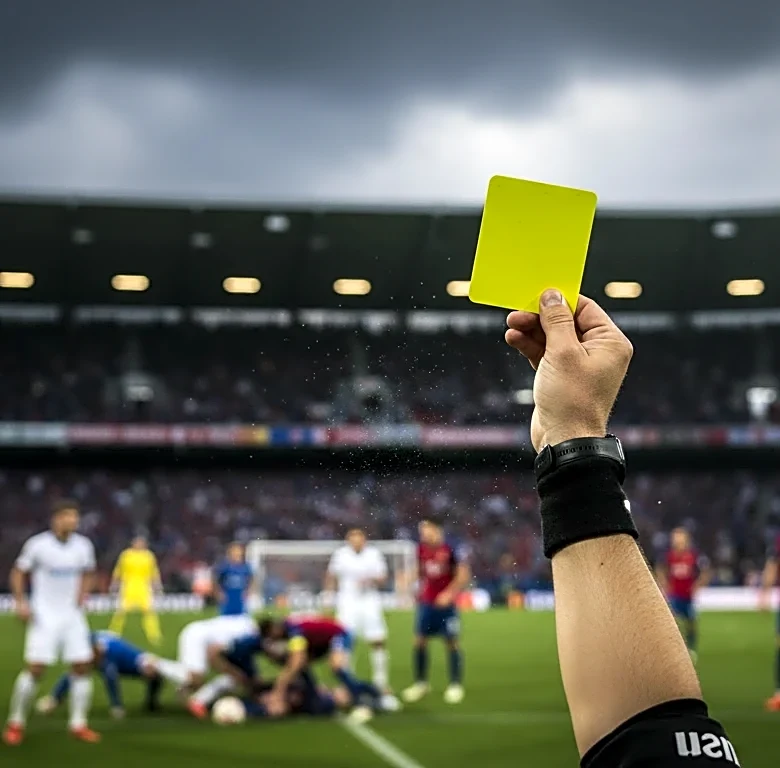
The scene was Soccer City stadium in Johannesburg on July 2, 2010. The match against Uruguay was a tense, brutal affair, locked at 1-1 deep into extra time. In the 120th and final minute, Ghana won a free kick. The ball was whipped into the box, leading to a chaotic goalmouth scramble. A header from Dominic Adiyiah was sailing into the net—a certain, history-making winner. But then, Uruguay's star forward, Luis Suárez, standing on the goal line, instinctively and deliberately thrust his hands up, blocking the ball like a volleyball player. It was a blatant, illegal, and game-saving act. The referee had no choice but to show Suárez a red card and award Ghana a penalty.
The Agony of a Single Kick
This was it. The final kick of the game. Score, and Ghana would become the first African nation ever to reach a World Cup semi-final. The man tasked with the kick was Asamoah Gyan, Ghana's talisman who had been brilliant throughout the tournament. As Suárez was escorted off, he lingered in the tunnel to watch, a villain awaiting his fate. Gyan stepped up, the hopes of a continent on his shoulders. He struck the ball with power, but it cannoned off the top of the crossbar and looped over. The stadium fell into a stunned silence, broken only by the sight of Suárez celebrating wildly on the touchline. The dream had been shattered in the most gut-wrenching way imaginable. Gyan, who has said the moment still haunts him, felt he had let an entire continent down.
A Legacy of 'What If'
Shell-shocked, Ghana went on to lose the ensuing penalty shootout. The psychological damage was done. But the debate was just beginning. Was Suárez a cynical cheat who robbed Africa of its destiny, or was he a hero who sacrificed himself for his country? Suárez himself was unrepentant, famously declaring, "The 'Hand of God' now belongs to me." For many, his act was the ultimate gamesmanship—a foul punished by the rules, with Ghana given the ultimate chance to win, which they then missed. But for millions of others, it felt like a theft. The pain is compounded by the fact that in the subsequent World Cups, no African team has managed to reach the semi-finals until Morocco in 2022, leaving Ghana's 2010 run as a high-water mark of both heroic achievement and profound heartbreak.