





The '80s: Flash, Gold, and Making It
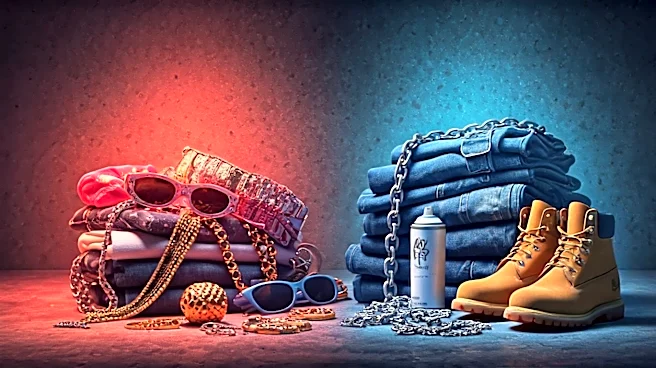
The 1980s was the decade hip-hop crashed the mainstream, and its fashion was a loud, unapologetic announcement of arrival. The uniform was aspirational. Think of Run-DMC in their head-to-toe Adidas tracksuits, unlaced Superstars, and thick gold “dookie”
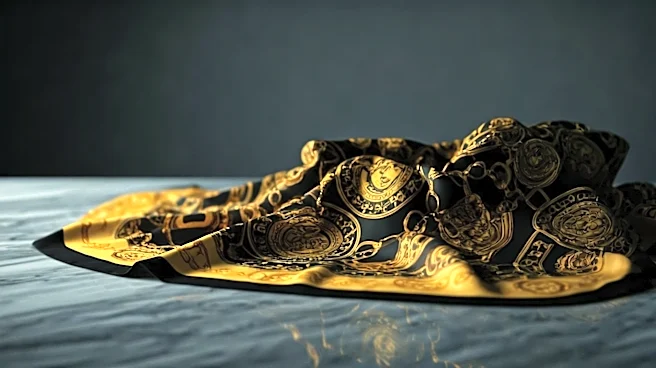
ropes. Think of LL Cool J in his red Kangol bucket hat or Eric B. & Rakim draped in custom Dapper Dan designs that remixed luxury logos into something uniquely their own. The aesthetic was clean, sharp, and dripping with success. It was about showing the world you had made it, translating newfound financial power into a visual statement. The look was heavily influenced by New York B-boy culture, but polished for the world stage. It was confident, optimistic, and shouted, “Look at me. I’m here.”
A Cultural and Musical Shift
As the '80s closed, the mood in both music and society began to change. The crack epidemic had devastated urban communities, and the social commentary in hip-hop grew more pointed and less celebratory. Groups like Public Enemy brought a militant, Afrocentric consciousness to the forefront, while West Coast artists like N.W.A. delivered a raw, unfiltered look at street life in their neighborhoods. The party-and-bullshit vibe of earlier hits was replaced by a grittier reality. This new sound demanded a new look. The flashy, peacocking style of the '80s felt increasingly out of touch with the harder-edged themes of struggle, survival, and authenticity that were now dominating the airwaves. A rebellion was brewing, not just in the lyrics, but in the closets of the artists and their fans.
The '90s Response: Baggy, Grounded, and Real
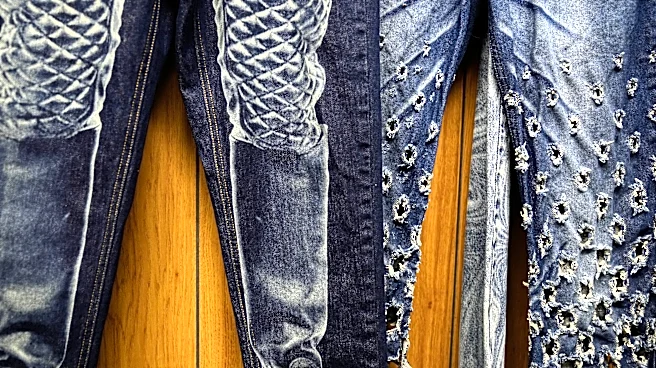
The 1990s dress code was a direct rejection of the '80s gloss. Where the '80s were fitted, the '90s went big—impossibly big. Jeans became so baggy they pooled around the ankles. T-shirts and hoodies were worn several sizes too large. This wasn't about sloppy dressing; it was a statement. The oversized silhouette was rumored to have origins in prison culture, where inmates were issued ill-fitting uniforms, but it also served a practical purpose of concealing a lean frame and projecting a more imposing presence. It was anti-fit, a deliberate move away from the tailored look of the previous decade. The dominant footwear switched from pristine sneakers to rugged work boots, particularly the classic 6-inch wheat Timberland. This nod to blue-collar workwear communicated a sense of being grounded, tough, and connected to the streets, not floating above them on a cloud of success.
From Luxury Logos to Authentic Labels
While '80s artists co-opted luxury brands, the '90s saw the explosive rise of Black-owned labels created specifically for the hip-hop community. Brands like Cross Colours and Karl Kani didn't just sell clothes; they sold a message. Cross Colours launched in 1989 with the slogan “Clothing Without Prejudice,” using bright colors and positive messaging to promote Black pride and unity. Karl Kani, often called the godfather of urban streetwear, created the ultra-baggy jeans that became synonymous with the era, famously worn by Tupac Shakur. Later in the decade, FUBU (“For Us, By Us”) took this ethos to its logical conclusion, building an empire by making it clear who their clothes were for. This was a monumental shift. Fashion was no longer just about looking rich; it was about building community wealth and cultural ownership.