




The American Uniform: Tradition and Quiet Confidence
American preppy style in the 1970s wasn't a trend; it was the continuation of a uniform rooted in the traditions of East Coast preparatory schools and Ivy League universities. It was a look that signaled an upper-class background without needing flashy
logos. The aesthetic was built on quality, durability, and a sense of effortless, inherited status. Key pieces included Oxford cloth button-downs, chino pants, crewneck sweaters, boat shoes, and blazers. The color palette was controlled, favoring pastels, navy, khaki, and primary colors. This style was less about standing out and more about fitting into a specific, elite world defined by country clubs, sailing, and summers on the coast. It was the antithesis of fast fashion, built on timeless pieces that communicated stability and a deep connection to an idealized American heritage.
The European Explosion: Glam, Punk, and Peacocking
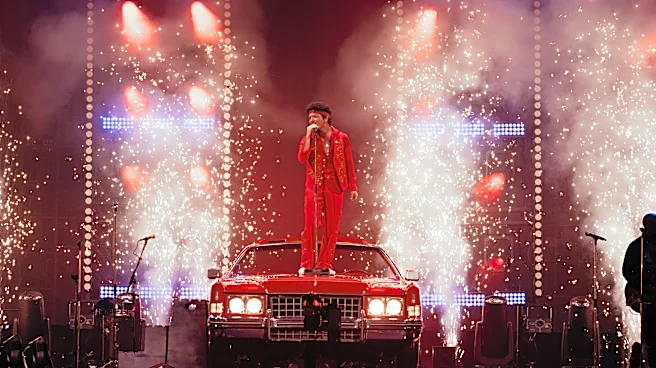
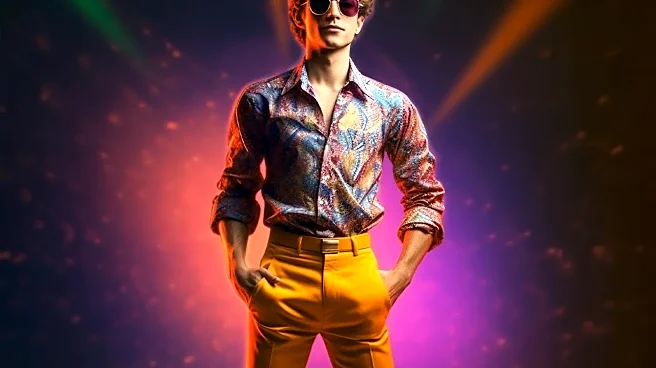
Across the Atlantic, European fashion in the 1970s was a vibrant, chaotic, and revolutionary force. In Britain, two major movements pushed boundaries in opposite directions. Glam rock, led by figures like David Bowie, embraced androgyny, glitter, platform boots, and theatricality. It was a colorful, flamboyant rebellion against the gritty masculinity of traditional rock. At the same time, the punk movement emerged from economic turmoil as a raw, anti-establishment statement. Spearheaded by designers like Vivienne Westwood, punk fashion was a DIY collage of torn fabrics, safety pins, leather, and provocative slogans. It was intentionally shocking and designed to provoke. Meanwhile, high-fashion designers in Paris and Milan were experimenting with new silhouettes and embracing a liberated sense of glamour, epitomized by the disco scene. European style was about challenging norms, expressing individuality, and making a statement.
A Tale of Two Philosophies: Belonging vs. Rebelling
Comparing these two worlds reveals a fundamental clash of philosophies. American preppy was a culture of conformity and conservatism. The goal was to signal membership in the establishment through a subtle, understood code of dress. It was about looking clean-cut, respectable, and effortlessly successful. In stark contrast, European youth styles were about rebellion. Punk sought to dismantle the establishment, using clothing as a form of visual anarchy. Glam rock challenged gender norms and celebrated artifice. While a preppy individual wore a polo shirt to signify they belonged to the country club, a punk wore a ripped t-shirt to show they belonged nowhere near it. One was a uniform of inclusion in the dominant culture; the other was a uniform of exclusion and opposition.
The Hidden Influence: A Reaction Against Chaos
The “hidden influence” on 1970s preppy style wasn’t a direct borrowing from European trends, but a conscious rejection of them. As the world embraced the flamboyant, the political, and the chaotic, preppy became a symbol of quiet defiance—a doubling-down on American tradition. In a decade of polyester, bell-bottoms, and social upheaval, the crisp cotton and classic lines of preppy attire were a statement of stability. It was an aesthetic that said, “While the world is changing, our values are not.” The loudness of punk and glam only made the quietness of preppy more profound. This reactionary stance is what gave the style its strength and enduring appeal, solidifying its identity not as a fleeting trend, but as a cultural anchor in a sea of change. It was a choice to be timeless in a decade obsessed with the new.