






From Voices in Your Ears to Faces on Your Screen
For years, the pact between a podcast host and their listener was one of pure audio intimacy. Hosts were voices, not faces; their authority came from their expertise, humor, or storytelling, not their wardrobe. The medium was built for multitasking—a
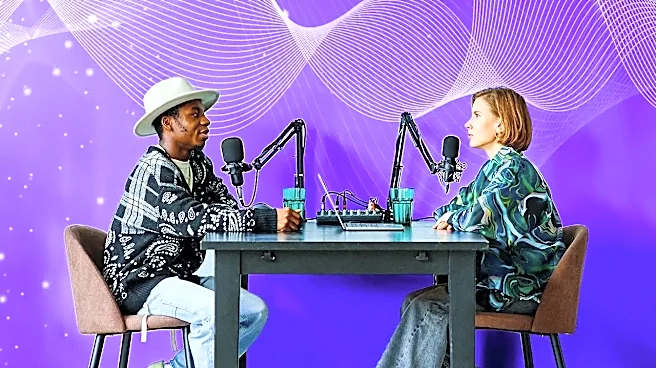
companion for commutes, chores, and dog walks. But the landscape has fundamentally changed. The rise of video podcasts, fueled by platforms like YouTube and shareable clips on Instagram and TikTok, has forced a visual reckoning. Suddenly, the backdrop of a host’s home office, their facial expressions, and, increasingly, what they wear have become integral parts of the show’s brand. This shift has turned a once-faceless medium into a visual one, setting the stage for a new kind of celebrity.
The Red Carpet as a New Proving Ground
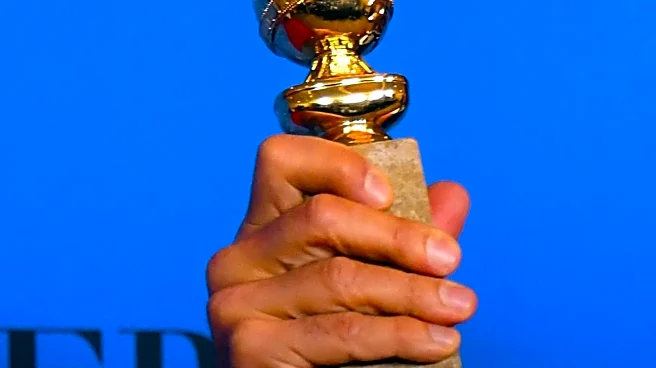
Enter the iHeartPodcast Awards, an event that has become a key barometer for the industry's mainstream maturation. What might have once been a low-key industry meetup now has all the trappings of a major awards show, including celebrity presenters and a full-fledged red carpet—or in this case, a “green carpet.” Here, the abstract notion of a show’s success is made tangible. When hosts from top shows like “Giggly Squad” or “The Diary of a CEO” step onto the carpet, they aren’t just representing their podcast; they are debuting a new version of themselves as public figures. The carefully chosen suit or designer dress becomes a statement of ambition, signaling a transition from niche creator to mainstream personality ready for their close-up.
Why Fashion Is the New Power Move
For podcasters, embracing fashion isn't just vanity—it's a strategic business decision. In a crowded media environment, a strong visual identity helps a host stand out. It makes them more appealing for television appearances, brand endorsements, and other crossover opportunities that extend their careers beyond a single show. Studies have shown that podcast listeners have a uniquely deep and trusting relationship with hosts, viewing their influence as more valuable than that of traditional social media influencers. By participating in the rituals of celebrity fashion, these hosts are leveraging that trust and converting their audio influence into the kind of bankable, visual currency that the broader entertainment industry understands and rewards. It’s a deliberate branding strategy that sells an image of authenticity and success.
Blurring the Lines Between 'Internet Famous' and 'Famous Famous'
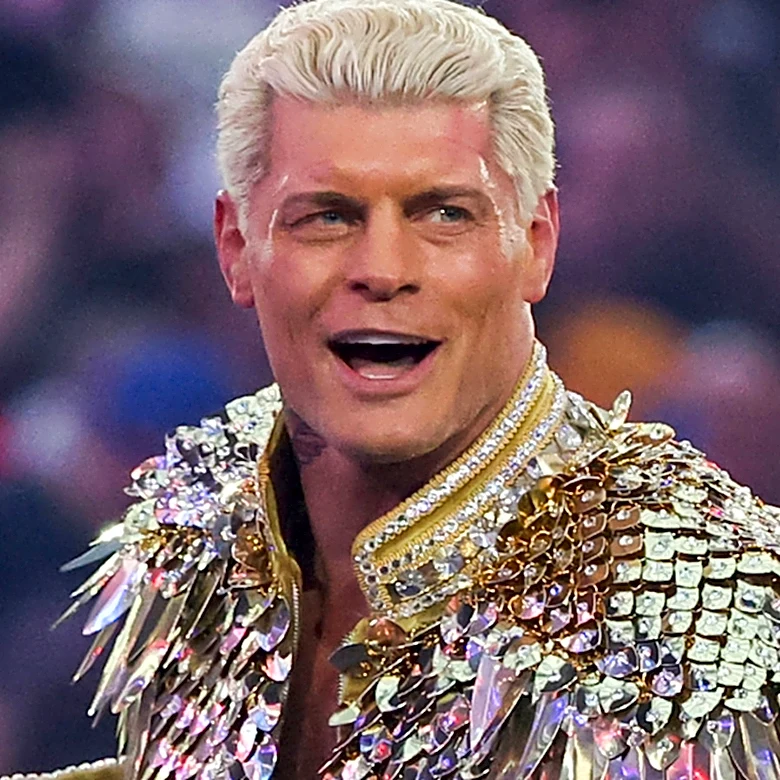
The iHeartPodcast Awards carpet is more than just a parade of nice outfits; it's a physical manifestation of a media revolution. The lines that once separated digital creators from traditional celebrities have all but disappeared. The event brings together established Hollywood figures like Amy Poehler and Will Ferrell with podcast-native stars, putting them all on the same level. This integration is a two-way street: actors and musicians now launch podcasts to appear more relatable and control their own narratives, while podcasters use fashion and red carpet appearances to solidify their place in the celebrity ecosystem. The result is a new, hybrid form of fame where influence is measured not just in downloads, but in cultural impact and visibility.