

The Before Times: A Vacation Afterthought
Let’s be honest: for decades, the linen drawstring pant was a sartorial punchline. It was the garment you bought out of necessity, not desire. Stuffed into a suitcase for a tropical getaway, it served one purpose—to be a comfortable, breathable barrier
between your sun-drenched skin and a wicker chair. They were the color of sand or oatmeal, prone to magnificent wrinkles, and often sold on a rack next to novelty shot glasses and aloe vera gel. Their natural habitat was the beach boardwalk, the all-inclusive resort buffet, or a leisurely stroll to get the morning paper in a humid climate. In the hierarchy of fashion, they ranked somewhere near a free promotional T-shirt—functional, yes, but utterly devoid of status or aspiration.
The Post-Pandemic Comfort Mandate
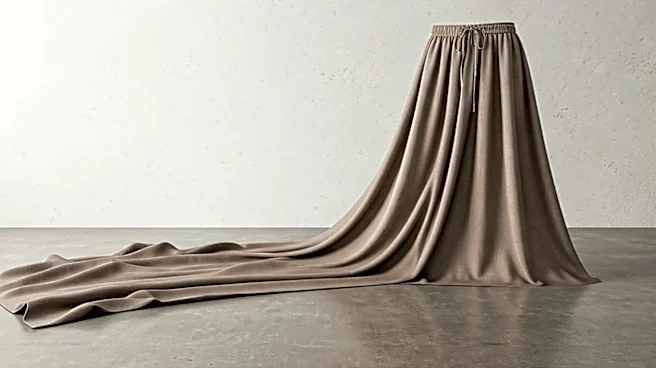
Then, the world changed. After years of being confined to our homes, we emerged with a new, non-negotiable mandate for our wardrobes: comfort is king. The rigid structures of pre-pandemic life—and the clothes that went with them—suddenly felt absurd. We had spent months in sweatpants and stretchy fabrics, and the idea of returning to stiff jeans, constricting waistbands, and formal trousers felt like a betrayal of our newfound freedom. This collective shift created the perfect opening for an unassuming hero to rise. The linen pant, with its forgiving drawstring waist and airy, natural fabric, offered the comfort of loungewear but with a silhouette that felt slightly more put-together. It was the perfect transition garment for a world that wanted to look good without sacrificing the feeling of being on the couch.
The Quiet Luxury Seal of Approval
Comfort alone wasn’t enough to get the linen pant into the fashion VIP section. It needed a co-sign, and it got a major one from the “quiet luxury” movement. As trend-watchers tired of logo-mania and flashy displays of wealth, a new aesthetic emerged: stealth wealth. This was the art of looking expensive without shouting it. The focus shifted to impeccable tailoring, luxurious materials, and neutral palettes. Suddenly, the humble linen pant was re-contextualized. In the hands of designers like The Row, Loro Piana, and Brunello Cucinelli, the wrinkly vacation basic was transformed. It was now cut from finer Italian linen, tailored into a perfect wide-leg drape, and rendered in sophisticated shades of cream, slate, and olive. A $900 pair of linen pants doesn’t scream its price tag; it whispers it through its perfect hang and subtle texture. It became the ultimate “if you know, you know” garment.
The Celebrity Street-Style Effect
Once a piece is adopted by the purveyors of quiet luxury, celebrity street style is the final frontier. Soon, paparazzi shots were filled with A-listers like Jennifer Lawrence, Kendall Jenner, and Gwyneth Paltrow pairing their slouchy linen trousers with everything from a simple white tank top to a cashmere sweater or a crisp button-down. The look was effortless, chic, and incredibly aspirational. It communicated a sense of unbothered elegance, a new ideal in our overstimulated world. The message was clear: true luxury isn't about being dressed up; it's about being so comfortable and confident that you can wear what feels like pajamas to run errands in Beverly Hills or attend a high-profile lunch. The linen pant became the key piece in achieving this coveted, off-duty-model aesthetic, solidifying its move from a background player to a main character in the modern wardrobe.