





The Accessory at the Center of It All
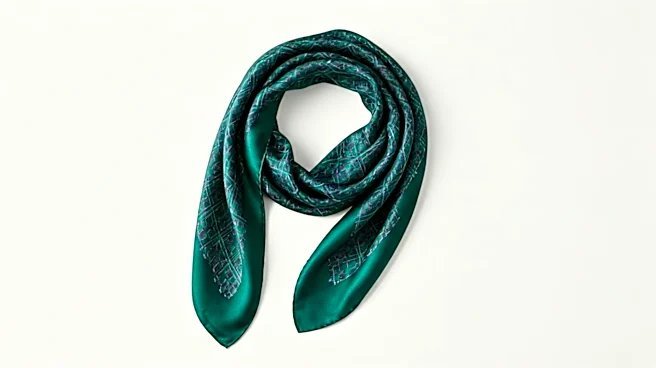
Spotted on the lawns of the All England Club, the silk twill scarf is having a moment. This isn't a new invention; its history stretches from ancient Chinese royalty to 18th-century French aristocrats and 20th-century screen icons. It's the definition
of a heritage piece—a small square of fabric imbued with decades of elegance. At an event like Wimbledon, known for its polished, timeless dress code, the scarf’s appearance is no surprise. It can be knotted around a neck, tied to a handbag, or worn as a bandana. But this year, its revival is sparking a quiet debate, not about whether to wear it, but how and why—a debate that falls neatly along generational lines.
The Millennial: An Investment in Quiet Luxury
For the Millennial minimalist, the silk scarf isn't a trend; it's an investment. This generation, fluent in the language of "cost per wear" and "quiet luxury," sees the scarf as a versatile, long-term staple. Their approach is about building a curated capsule wardrobe of high-quality, timeless pieces that transcend seasonal fads. A well-made silk scarf from a heritage brand fits perfectly into this philosophy. It’s seen as a sophisticated, logo-free nod to luxury that can elevate a simple blazer or a classic white shirt—cornerstones of the established Millennial uniform. For them, buying the scarf is a deliberate act of investing in enduring style, a piece to be cherished and worn for decades. It’s less about being fashionable right now and more about being stylish forever.
The Gen Z Take: Thrifting, Irony, and Identity
Gen Z’s approach to the very same scarf is worlds apart. For a generation defined by fluidity, sustainability, and self-expression, the appeal isn't in the item's retail value but its potential for personal reinvention. A Gen Z fashion enthusiast is more likely to discover the scarf in a thrift store or on a resale app than to buy it new. Their style is a masterclass in mixing high and low, pairing a vintage or even a luxury accessory with baggy jeans and a crop top. The act of wearing a "classic" item is often infused with a touch of irony, detaching it from its traditional, stuffy connotations and making it their own. For Gen Z, sustainability and affordability are key drivers; buying pre-owned is both an economic and an ethical choice. The scarf isn't an investment to be preserved; it's a tool for creative expression, part of a non-stop, eclectic fashion conversation.
A Minimalist Lens on a Generational Divide
Through a minimalist buyer’s lens, both approaches are a reaction against the waste of fast fashion. They are two different paths to the same goal: conscious consumption. The Millennial method is one of curatorial minimalism—buy less, but buy better. It’s about achieving a perfect, versatile, and high-quality wardrobe where every piece has earned its place. The Gen Z method is a form of resourceful minimalism—re-use, re-style, and refuse to be defined by any single aesthetic. They might own more transient pieces, but their embrace of the circular economy and their skepticism toward brand-new luxury represents a different kind of mindfulness. One generation seeks to perfect a timeless look, while the other seeks to constantly experiment with identity using the rich archive of styles that already exist in the world. The skinny jean debate showed how generations clash on silhouettes, but the scarf shows something deeper: a fundamental disagreement on the meaning of value itself.