

The End of ‘Armor’ Hair
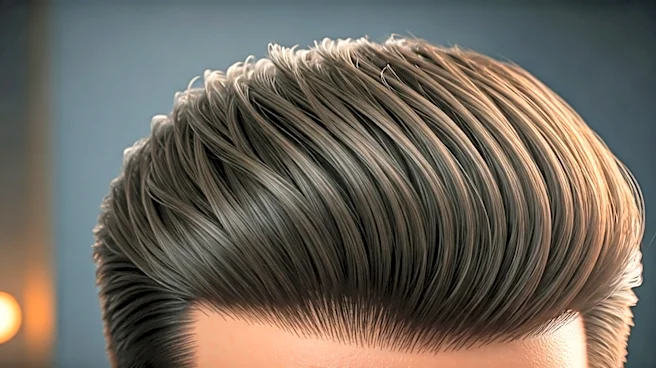
For the better part of a decade, the dominant look in men’s hair was one of rigid control. Think of the razor-sharp side parts, the high-gloss pompadours, and the ubiquitous high-and-tight fades that required constant maintenance and a hefty dose of pomade
or wax. Popularized by shows like Peaky Blinders and perfected in barbershops across the country, this aesthetic was about structure and definition. The hair was an architectural statement, designed to look untouchable and unmovable—a kind of stylistic armor. It projected an image of precision and discipline, a man who had his presentation completely under control. But like all trends, its saturation point was reached. The effort required to maintain such a severe look started to feel, well, effortful. The pendulum was due for a swing.
Milan's New Direction: Touchably Soft
Enter the runways of Milan, a consistent bellwether for what’s next in menswear. At recent shows for powerhouse brands like Zegna, Prada, and Fendi, a different kind of hair began to emerge. Models walked out with styles that looked lived-in, touchable, and effortlessly cool. This wasn’t about messy, unkempt hair; it was about healthy, clean hair with natural movement. The key words are “soft texture” and “clean finish.” Instead of being shellacked into place, hair was allowed to have a bit of wave, a slight curl, or simply fall naturally. The focus shifted from the product to the hair itself. This new look is less about dominating your hair with product and more about working with its natural texture. It’s a style that suggests confidence without needing to shout about it.
How It Translates for the Everyday Guy
While runway trends can feel abstract, this one is surprisingly accessible. Adopting the “clean hair” aesthetic isn’t about growing a flowing mane overnight. It’s more of a philosophical shift in your daily routine. It means swapping out heavy, greasy waxes and pomades for lighter products like styling creams, sea salt sprays, or lightweight mousses that enhance texture rather than mask it. The goal is to make your hair look like the best version of itself, not like something else entirely. It also places a new emphasis on hair health. A softer style works best when the hair is healthy, conditioned, and clean. This might mean investing in a better shampoo and conditioner, using a hair mask occasionally, and getting regular trims to keep ends from looking fried. It’s a lower-maintenance look in the morning but requires a higher-quality foundation to pull off.
More Than Hair: A Cultural Shift
Here’s why this shift really matters. The move away from rigid, armored hair mirrors a broader cultural evolution in modern masculinity. The hyper-structured styles of the 2010s often felt tied to a more traditional, almost performative idea of being a man—strong, unyielding, and perfectly put-together. The new, softer aesthetic aligns with a growing comfort with a more relaxed, authentic, and approachable form of self-presentation. It’s a visual signal of confidence that doesn’t rely on a hardened exterior. It suggests an ease with oneself, an acceptance of natural imperfections, and a move away from the pressure to always appear flawless. In a world saturated with filters and curated online personas, a hairstyle that says “I woke up like this, but better” feels refreshingly honest. It’s less about conforming to a rigid ideal and more about embracing a personal, comfortable style.