


First, What Is a Neapolitan Shoulder?
Before you can wear it well, you need to know what you’re looking at. The classic Neapolitan shoulder, or 'spalla camicia' (shirt shoulder), is defined by what it lacks: padding. Unlike a structured English or American shoulder that uses padding to create
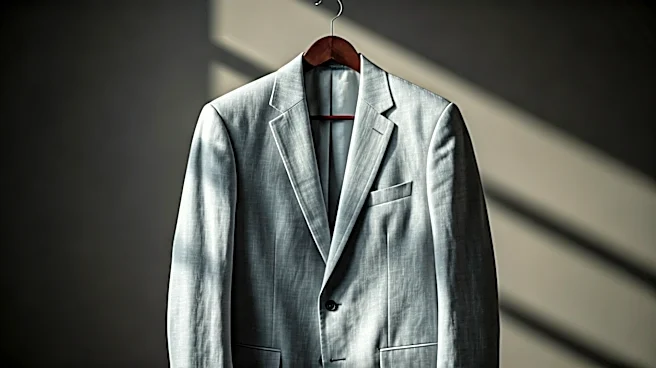
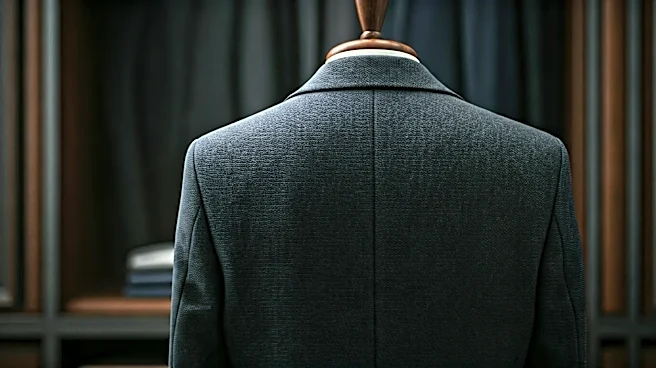
a sharp, architectural line, the Neapolitan version is completely soft. The sleeve is attached to the jacket body much like a shirt sleeve, with the excess fabric creating a distinctive puckering or 'shirring' at the seam. These little ripples, known as 'grinzino,' are not a flaw; they're the signature. This construction was born in the heat of Naples, designed for comfort, breathability, and an unparalleled freedom of movement. It’s an artisan detail that whispers, rather than shouts, its quality.
Embrace Its Casual Nature
Here’s the number one rule for not looking overstyled: don’t fight the shoulder’s inherent character. A 'spalla camicia' is fundamentally casual. It’s soft, unconstructed, and designed for ease. Trying to force it into a hyper-formal, corporate boardroom context is where things go wrong. It looks most at home on sport coats and casual suits. Think of it as the jacket’s way of telling you to relax. Pairing a softly structured Neapolitan jacket with razor-creased, high-shine worsted wool trousers and a stiffly starched shirt creates a jarring contrast. Instead, lean into the jacket’s laid-back DNA. This is your go-to for a smart dinner, a weekend event, or a creative workplace, not a high-stakes legal deposition.
Let the Fabric Do the Talking
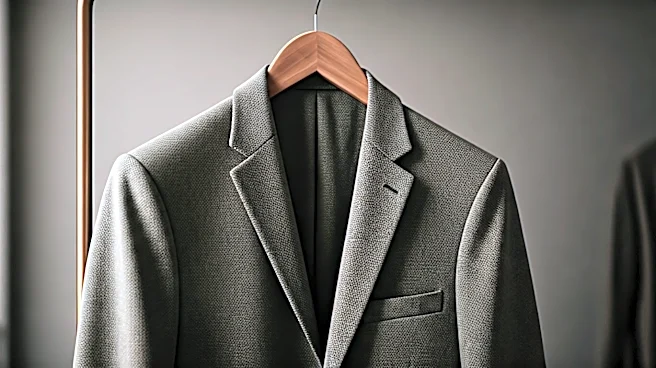
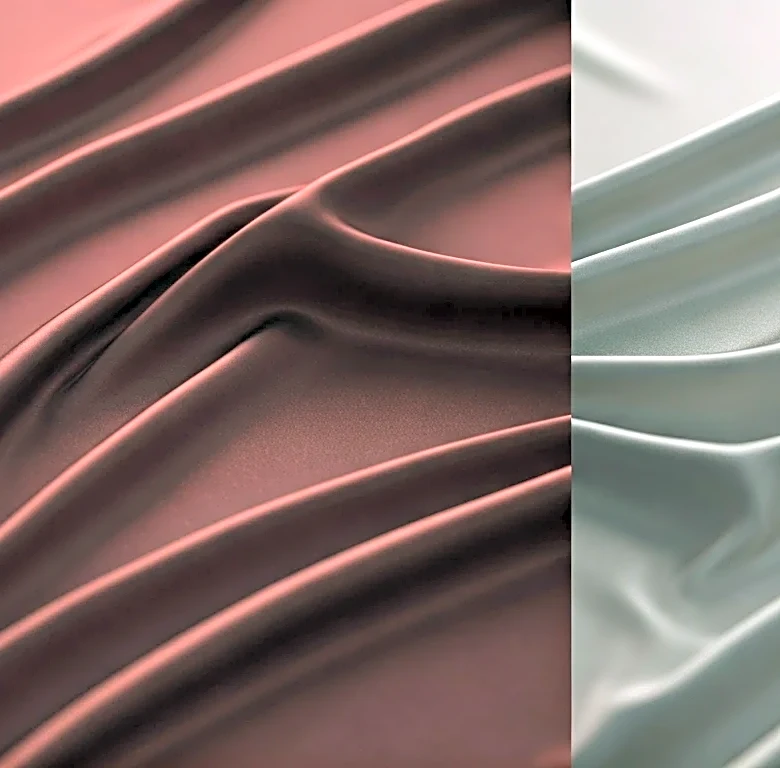
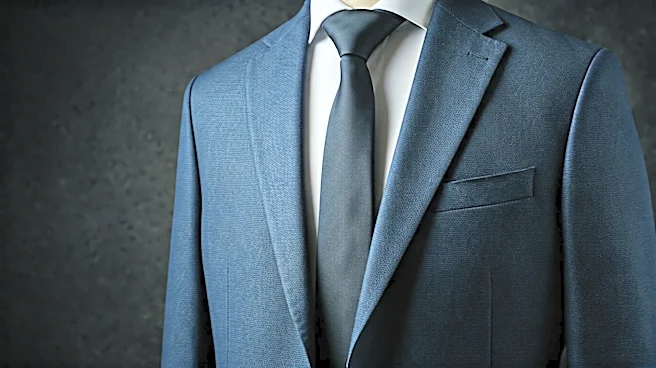
The perfect Neapolitan shoulder is a marriage of construction and material. Because the shoulder is soft, it pairs best with fabrics that have a similar disposition. Textured, matte, and breathable materials are its natural allies. Think linen, hopsack, fresco, cotton, corduroy, and soft flannels. These fabrics have a visual texture and drape that complements the soft shoulder line. A jacket in a rumpled linen or a nubby hopsack weave already signals a relaxed intent, making the shirred shoulder feel like a natural extension of the garment’s personality. Avoid very fine, sleek, and shiny fabrics like superfine merino wools or mohair, as they can make the soft construction look less intentional and more like a mistake.
Simplify the Rest of the Outfit
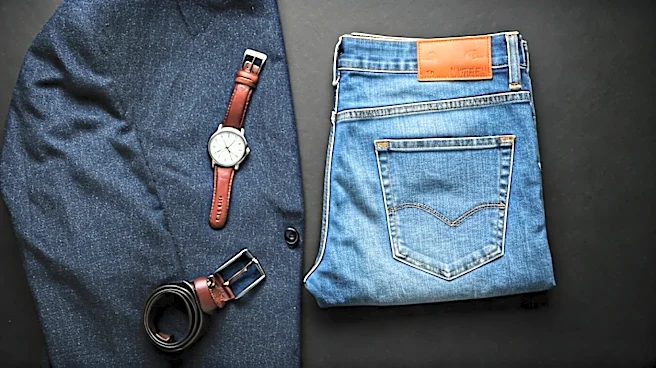
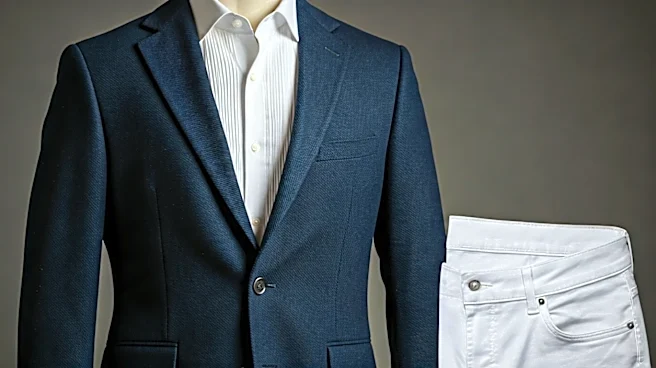
A jacket with Neapolitan shoulders already has a point of view. It’s a statement, albeit a subtle one. The easiest way to look overstyled is to surround it with other loud, attention-seeking details. Let the jacket be the star of the show. Keep the rest of your outfit simple and supportive. Pair it with a simple open-collar shirt (a popover or a button-down works beautifully), a high-quality knit polo, or even a fine-gauge crewneck sweater. For trousers, think chinos, cotton drill, or tailored linen pants rather than formal suit trousers. The goal is to create a harmonious look where the jacket is the focal point, not one of several competing elements. When your tie, pocket square, socks, and shoes are all vying for attention, the beautiful subtlety of the shoulder gets lost in the noise.
Nail the Fit Above All Else
With a padded, structured shoulder, you have a small margin for error; the jacket creates its own shape. With an unpadded shoulder, there is nowhere to hide. The fit is everything. The jacket must follow the natural curve of your shoulder perfectly. If it’s too wide, it will droop and look sloppy. If it’s too narrow, it will pull and pucker unnaturally. A well-fitting Neapolitan jacket should feel like you’re wearing a cardigan—light, comfortable, and conforming to your body. When you try one on, pay close attention to how it sits on your shoulder bone and how it feels when you move your arms. It should allow for a full range of motion without straining. This perfect fit is the foundation that makes the entire look feel effortless and elegant, not affected.