





The Agony of the Near Miss
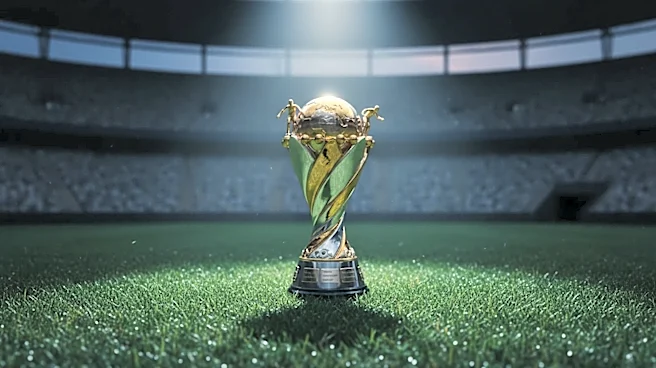
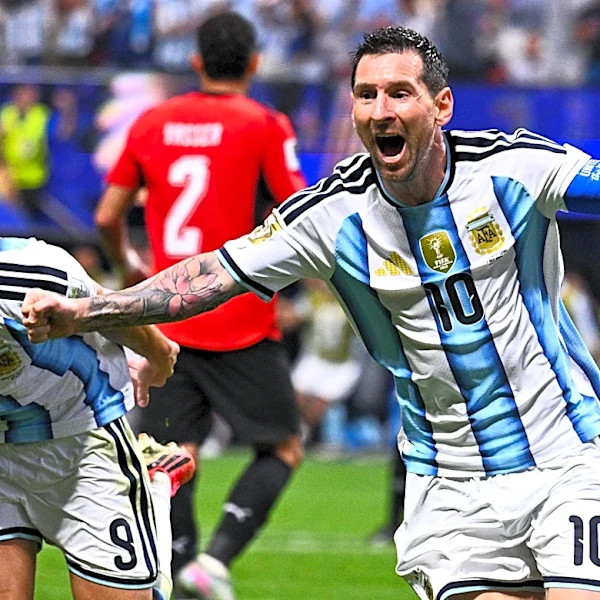
For years, the image that defined Lionel Messi's international career was the one of him walking stiffly past the World Cup trophy in 2014. After carrying a flawed Argentina team to the final in Brazil, he was minutes away from the one prize that would
have silenced all debate. He was even named the tournament's best player, an honor that felt more like a cruel joke as he accepted it with a hollow expression. Germany's extra-time goal secured a 1-0 victory, leaving Messi with a glaring missed opportunity in the second half that would reportedly haunt him for years. That single game became a heavy anchor on his legacy. He had won everything for his club, but the ultimate prize with his country remained elusive, leading to years of questions and painful losses in other finals. It was a powerful reminder that in sports, proximity to glory can sometimes be more painful than a distant failure.
The Self-Inflicted Wound
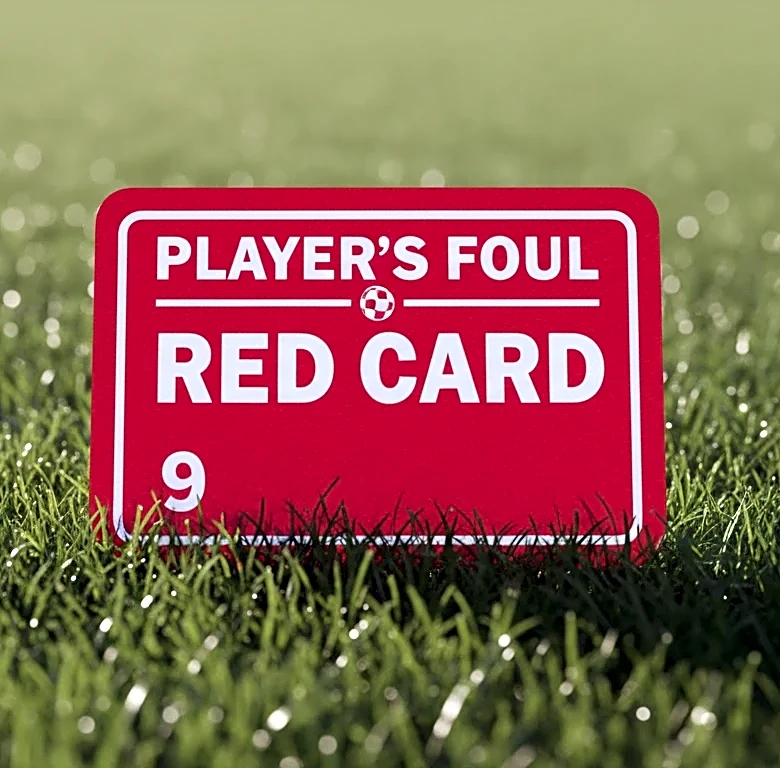
Sometimes, the hero is also the villain of his own story. Enter Zinedine Zidane in the 2006 World Cup final. The French maestro, who had come out of international retirement for one last tournament, was playing like a man possessed. He had been magnificent, scoring in the final to give France the lead against Italy. His career was set to end with a second World Cup title, a perfect bookend to the one he won in 1998. Then, in the 110th minute, it all fell apart. After an exchange of words with Italian defender Marco Materazzi, Zidane inexplicably turned and headbutted him in the chest. The resulting red card was his final act as a professional player. The image of him walking past the trophy on his way off the field is one of the most infamous in sports history. France went on to lose the penalty shootout, and a legacy of pure elegance was forever complicated by a moment of raw, inexplicable rage.
The Revolutionary Who Fell Short
Not all heartbreak happens in the final moments; sometimes it's the entire conclusion that feels unjust. In 1974, the Netherlands, led by the visionary Johan Cruyff, introduced the world to “Total Football,” a fluid, revolutionary system that dazzled the competition. Cruyff was the tournament's best player, a genius who invented new ways to move and think on the field, like the iconic 'Cruyff Turn'. They were the best team in the world and seemed destined to win. In the final against West Germany, they took the lead in the second minute before a single German player had even touched the ball. But after that, as one player later recalled, they seemed more interested in humiliating their opponents than scoring a second goal. West Germany clawed their way back and eventually won 2-1, snatching the trophy from a team that had redefined the sport. Cruyff never played in another World Cup, leaving the architect of a footballing revolution without its ultimate validation.
Does the Imperfect Ending Matter?
As the 2026 World Cup unfolds, we've already seen modern legends like Neymar and Cristiano Ronaldo take their final bow on this stage without securing the ultimate prize. Ronaldo's quest ended in the Round of 16, leaving the one major trophy missing from his spectacular collection. It’s easy to frame these exits as failures, but perhaps that’s missing the point. The heartbreak is part of the narrative. Zidane’s headbutt doesn’t erase his genius; it adds a layer of tragic, human complexity. Cruyff’s loss doesn’t diminish his impact on how soccer is played today. And for a long time, Messi's 2014 failure made his eventual 2022 triumph all the more resonant. The flawed ending is often more memorable and more relatable than a simple victory. It reminds us that greatness is not about infallibility, but about the struggle, the ambition, and the profound drama of reaching for something just beyond one’s grasp.