






From Humble Basement to Mainstream Buzz
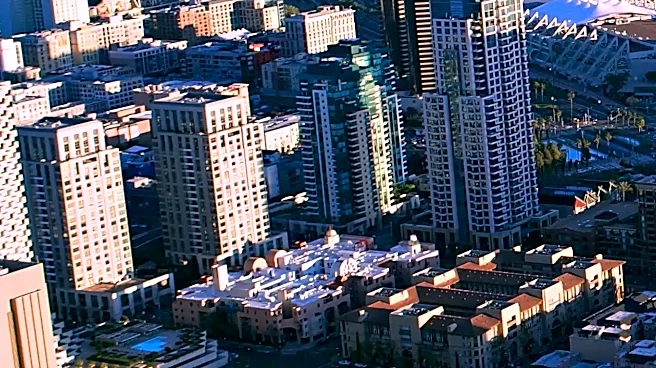
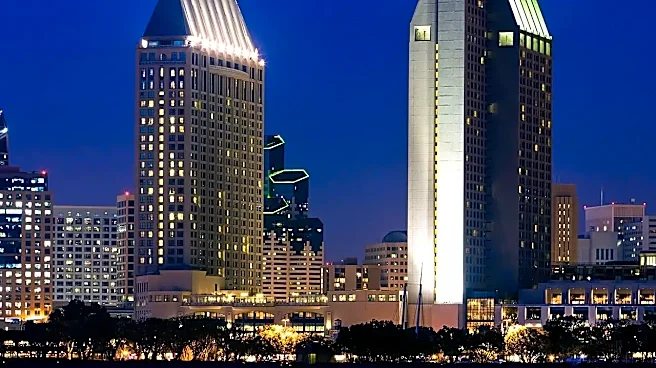
It’s hard to imagine now, but the first San Diego Comic-Con—then called the Golden State Comic Book Convention—was held in the basement of the U.S. Grant Hotel in 1970 and drew about 300 people. These early gatherings were organized by and for a small,
passionate community of fans. The focus was on comic books as a literary art form: trading rare issues, meeting writers and artists, and celebrating a shared, niche hobby. For decades, conventions were largely non-profit, fan-run affairs, more akin to a large club meeting than the sprawling commercial enterprises they would become. They were intimate spaces where a shared love for science fiction, fantasy, and comics was the main currency.
Hollywood Discovers a Captive Audience
The transformation began when Hollywood realized it had a powerful marketing tool hiding in plain sight. While early sci-fi shows like "Star Trek" developed a convention following in the 1970s, the 1990s marked a turning point as major movie studios began to see the value in directly engaging with this dedicated audience. But the true inflection point arrived in the early 2000s. As superhero movies began their box office ascent, studios recognized that a panel at San Diego Comic-Con could generate more authentic buzz than a multi-million dollar ad campaign. Suddenly, the convention wasn't just for fans; it was for studio executives, A-list actors, and directors looking to unveil exclusive trailers to a room of the most influential tastemakers in the world. The move of major panels to massive venues like Hall H, which seats 6,500 people, cemented the convention's new status as the epicenter of pop culture hype.
The MCU and the Age of the 'Experience'
Nothing accelerated the convention's business transformation more than the rise of the Marvel Cinematic Universe (MCU). Marvel Studios masterfully used its Hall H presentations to build a narrative, connecting its films and creating a can't-miss sense of occasion. Announcing a multi-year slate of interconnected films turned a marketing panel into a newsworthy global event. This strategy turned conventions into essential platforms for launching and sustaining massive entertainment franchises. The focus shifted from simply promoting a single movie to selling an entire universe. This, in turn, fueled the growth of the "experience economy" on the convention floor. It was no longer just about buying comics; it was about immersive brand activations, exclusive merchandise drops, and photo-ops with celebrities that fans could share online, amplifying the marketing reach exponentially.
A Billion-Dollar Bottom Line
The numbers tell the story. Events like San Diego Comic-Con now generate a regional economic impact of over $160 million annually for their host cities. What was once a fan-run hobby is now a global industry projected to be worth billions. Commercial organizers have largely taken over, running conventions as for-profit enterprises. This professionalization has brought bigger names and more spectacular presentations, but it has also created tension. The original spirit of a fan-centric community has had to coexist with blatant commercialism. Small creators and independent artists now compete for attention and dollars against massive corporations with blockbuster budgets, leading some to question whether the soul of the convention has been lost in the process.