




An Event, Not Just a Screening
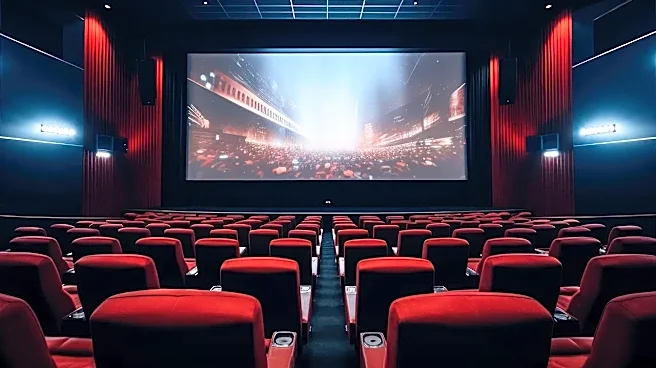
The first thing to understand about a festival premiere is the elevated sense of occasion. Unlike a casual Friday night at the multiplex, a premiere at a venue like the Southbank Centre’s Royal Festival Hall is a major cultural event. The air is thick
with anticipation, there's a red carpet, and often the director and stars of the film are in the building, sometimes sitting in the audience with you. This proximity to the creators adds a layer of pressure and excitement. You're not just a consumer; you're part of the film's first public verdict. This environment transforms passive viewing into an active experience, where every laugh, gasp, or stunned silence feels amplified, contributing to a collective ritual. Screenings start promptly, without the usual barrage of commercials, and Q&A sessions with the filmmakers often follow, turning the screening into a direct dialogue.
The Unique London Audience
For American festival-goers accustomed to the riotous standing ovations at Toronto or the immediate Oscar-buzz generating crowds at Telluride, the London audience can feel like a different species. British crowds are often described as more reserved, analytical, and discerning. While they certainly show appreciation, their applause can be more measured and their silences more thoughtful. This isn't necessarily a negative; it reflects a different kind of engagement. It’s less about instant, explosive hype and more about intellectual processing. This can lead to a more varied and sometimes mixed reception for films, as seen with the recent premiere of Brad Bird's 'Ray Gunn,' which drew a spectrum of reviews right out of the gate. This environment means a film has to truly earn its praise, making a strong positive reaction in London feel particularly significant.
A Festival of Festivals
Unlike Cannes, which is all about world premieres and a massive film market, the BFI London Film Festival (LFF) has a distinct identity as a 'festival of festivals'. It curates and showcases the best films that have already debuted at other major international festivals earlier in the year. All feature films are, however, UK premieres. This changes the fundamental dynamic. With sales and distribution deals often already in place, the pressure shifts from industry deal-making to public reception. The LFF is programmed explicitly for the audience. This focus on the public viewing experience is central to the BFI's mission and makes it a celebration of cinema rather than a marketplace. The result is a diverse program where a blockbuster can screen alongside an experimental art film, all presented on equal footing for a curious and engaged public.
The City as a Co-Star
Finally, you cannot discount the influence of London itself. The festival is deeply integrated into the city's cultural heart, with screenings spread across iconic venues from the South Bank to the West End. Attending LFF means participating in the vibrant, cosmopolitan energy of one of the world's great cultural capitals. This is different from festivals in smaller, more isolated towns. The audience is not a sequestered bubble of film die-hards but a cross-section of a massive, diverse metropolis, supplemented by international visitors. This mix brings a wide array of cultural backgrounds and perspectives into the theater, enriching the collective experience. The festival is an open invitation; the BFI emphasizes that you don't need to be an industry insider to attend, and a huge percentage of attendees each year are first-timers.