



The Reign of the Fuzzy Sweater
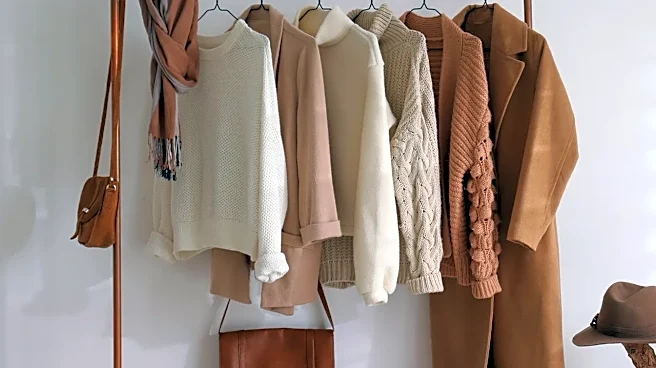
Mention Copenhagen knitwear, and most minds conjure an immediate, deeply satisfying image: a soft, fuzzy, slightly oversized sweater, likely made of mohair or alpaca. For the better part of a decade, these brushed, cloud-like knits have been the uniform
of the stylish Scandi set. Brands like Ganni perfected the art of the statement sweater, while others focused on the quiet luxury of cashmere and merino wool blends. The appeal was obvious. This was comfort-as-fashion, a wearable hug that felt both indulgent and effortlessly cool. The technique, which involves brushing the yarn to raise the fibers, creates a distinctive halo effect that adds dimension and a sense of richness to any outfit. It was the perfect counterpoint to sleek leather pants or a simple pair of jeans, a visual and tactile representation of hygge—that quintessentially Danish concept of cozy contentment. This era was defined by softness, by a desire to feel cocooned and comfortable without sacrificing style.
Enter the Crisp, Sculptural Knit
Lately, however, a new texture has asserted itself on the Copenhagen runways and streets. While the fuzzy sweater hasn't disappeared, it now shares the spotlight with a decidedly different aesthetic: the crisp, structured knit. Think less 'fluffy cloud' and more 'wearable architecture.' This new wave is defined by pronounced ribbing, tight-gauge construction, and sculptural silhouettes that hold their shape. These are not the slouchy, relaxed pullovers of years past. Instead, they are sharp, considered, and often minimalist. Brands like A. Roege Hove have built a following on their bold, ribbed designs that treat knitwear almost as a form of sculpture for the body. Other designers are experimenting with intricate cables, distressed details, and asymmetrical lines that give knitted garments a more artful, off-kilter spin. This trend favors materials like structured wools and dense cottons that provide form and a clean finish, a departure from the airy lightness of mohair.
Why the Shift to Structure?
So why is the city known for its mastery of cozy suddenly embracing a more rigid look? The shift reflects a broader mood in fashion. After years dominated by loungewear and comfort-first dressing, there's a collective desire for clothes that feel more polished and put-together. Crisp, structured knits offer the comfort inherent to knitwear but with the sharp silhouette of a more tailored piece. They act as a kind of casual blazer, providing a refined finish that works as well in the office as it does for a weekend coffee run. Furthermore, texture itself is becoming a more important element in minimalist style. When an outfit is simple, a distinctive texture like a sharp rib or a dense waffle knit can provide all the visual interest needed, making the look feel intentional and sophisticated. This move towards crispness is not a rejection of softness, but an expansion of the knitwear vocabulary, proving that comfort and structure can coexist.
Weaving the New Knits into Your Wardrobe
Adopting this new texture doesn't require a complete wardrobe overhaul. The beauty of the crisp knit lies in its versatility. A well-defined ribbed top or cardigan can be paired with wide-leg trousers for a balanced silhouette or tucked into a high-waisted skirt to play with proportions. Think of these pieces as foundational. They provide a clean, modern base that can be layered under a blazer or over a simple slip dress. The key is to let the texture be the star. While brushed mohair often acted as a statement piece through its bold color or pattern, the new crispness makes its statement through form and feel. It’s a quieter, more confident approach to knitwear that aligns perfectly with the evolution of Scandinavian design—a move towards timeless, functional pieces that are built to last, both in quality and in style.