






The Night He Changed Everything
Before 1978, Halloween and moviegoing were not intrinsically linked. Horror films existed, of course, from the classic Universal Monsters of the 1930s to Alfred Hitchcock's psychological thrillers. But they weren't a seasonal event. That all changed with
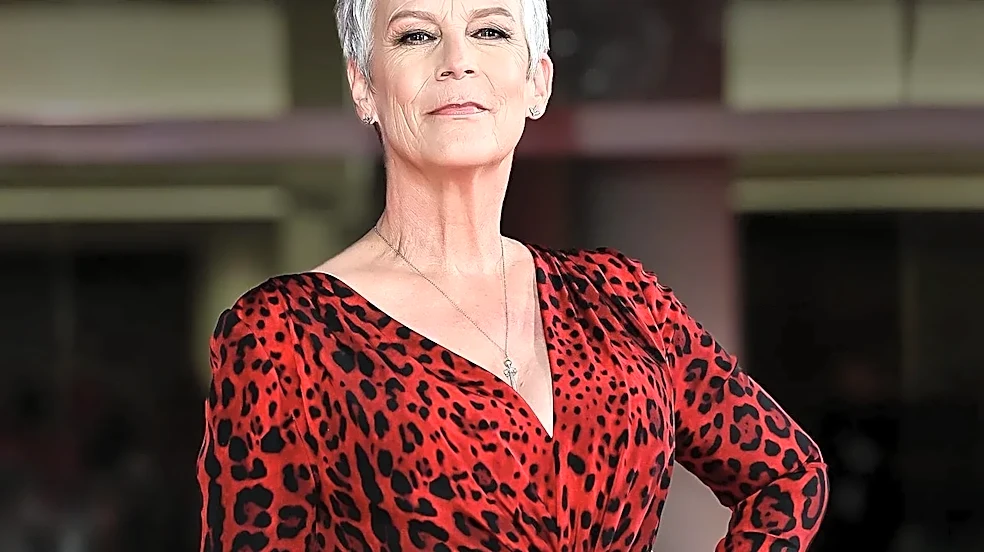
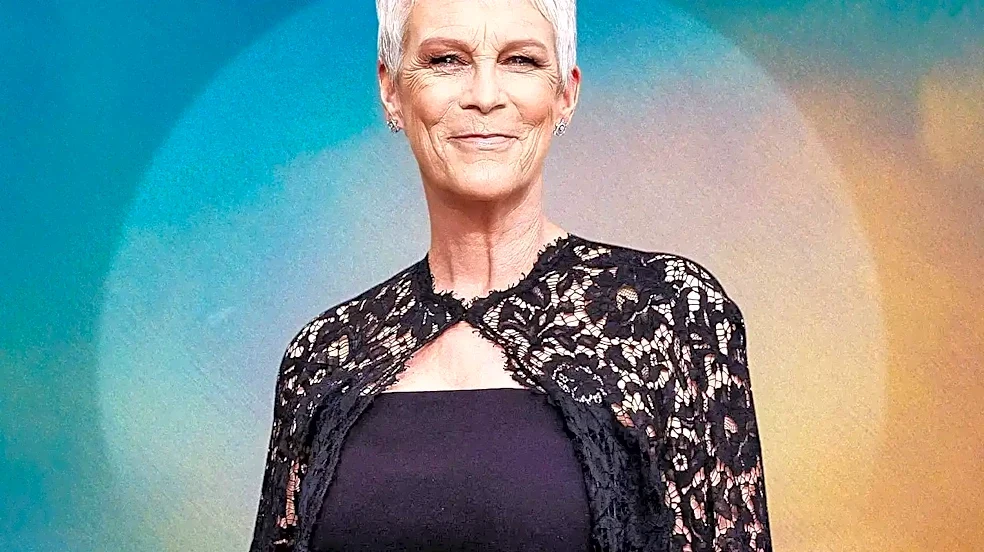
a low-budget independent film from director John Carpenter. Made for about $300,000, 'Halloween' was a masterclass in suspense. It introduced the world to Michael Myers, a silent, menacing killer, and the resourceful 'final girl' Laurie Strode, played by a then-unknown Jamie Lee Curtis. The film was not an instant smash but grew through powerful word-of-mouth, eventually grossing over $70 million worldwide. More than its financial success, it proved that a story explicitly tied to the holiday could strike a nerve with audiences and become a phenomenon.
The Slasher Boom and Franchise Fever
The massive success of 'Halloween' kicked off the slasher craze of the 1980s. Soon, masked killers and holiday-themed horror became a subgenre of their own. Franchises like 'Friday the 13th' and 'A Nightmare on Elm Street' followed the blueprint, cementing the slasher film in the pop culture lexicon. Yet, the Halloween release date wasn't yet an ironclad rule. The 'Halloween' franchise itself continued with sequels, but their release dates varied, and one sequel, 'Halloween III: Season of the Witch,' even attempted to turn the series into an anthology by ditching Michael Myers entirely, an experiment that was not repeated. The holiday was fertile ground for horror, but it hadn't yet been perfected into a predictable, annual business strategy.
If It's Halloween, It Must Be 'Saw'
The 2000s marked the moment studios truly weaponized the October calendar. The turning point was 2004's 'Saw,' a low-budget thriller from James Wan and Leigh Whannell. Its success spawned a sequel the following year, and a tradition was born. For seven straight years, a new 'Saw' film was released in late October, with the tagline eventually becoming, 'If it's Halloween, it must be Saw.' This annual event programming turned the movie release itself into a holiday ritual for fans. The 'Saw' franchise's dominance was famously challenged and eventually usurped in 2009 by another low-budget phenomenon, 'Paranormal Activity.' The found-footage ghost story, which cost a mere $15,000 to make, defeated 'Saw VI' at the box office, proving that a new king of Halloween had arrived. 'Paranormal Activity' then took over the annual October slot, solidifying the Halloween weekend as the prime launchpad for horror franchises.
A Modern Box Office Powerhouse
Today, the Halloween moviegoing tradition is more diverse than ever. Horror has become one of Hollywood's most consistently profitable genres, with its market share growing significantly in recent years. The season is no longer just for slashers. It encompasses everything from critically acclaimed 'prestige' horror and reboots of classic franchises to family-friendly spooky movies like 'Hocus Pocus' that have become annual traditions in their own right. Studios now strategically plan their calendars around the Halloween season, knowing there is a built-in audience eager for a scare. The rise of production companies like Blumhouse, which specializes in high-concept, low-budget horror, has further fueled the trend, consistently delivering hits that dominate the October box office. What started with a single, terrifying film has morphed into a multi-million dollar, genre-spanning cinematic institution.