



The New, Clustered Fall Season
The idea of a “fall TV season” might feel like a charming relic from an era of rabbit-ear antennas and weekly appointment viewing. For decades, the broadcast networks (ABC, CBS, NBC, and Fox) would unleash their new and returning shows in a highly concentrated
week in late September. It was an event. But in the streaming era, that concept hasn't died—it has mutated and metastasized. Now, instead of one predictable week, the entire three-month period from September to November is a chaotic free-for-all. Streamers like Netflix, Prime Video, and others now strategically hoard their biggest shows for these months, creating what fans call “premiere clusters.” A single week in October might see the return of a massive fantasy epic, the debut of a buzzy horror series, and a new season of a beloved comedy. This isn't a coincidence; it's a calculated battle for our eyeballs and, more importantly, our social media buzz, timed for when viewing habits historically increase. The result is an overwhelming wave of content that requires a battle plan to navigate.
From Couch Potato to General Manager
This is where the sports bracket analogy from the headline becomes so potent. Faced with an impossible number of choices, dedicated fans have transformed from passive viewers into active strategists, much like a general manager building a team. Time is the salary cap, and it’s a hard cap. You can't watch everything. So, choices must be made. Fans study the schedule, weigh the contenders, and make difficult cuts. A returning favorite might be an automatic lock, but what about that intriguing new sci-fi show on a service you barely use? Is it worth the investment? This process involves a surprising amount of research. Viewers will check reviews, watch trailers, and gauge online chatter to draft their personal “must-watch” list. The goal is to assemble a winning season of television, avoiding the shows that get canceled after six episodes or the prestige dramas that turn out to be all style and no substance. The satisfaction comes not just from watching, but from choosing correctly.
The Psychology of Participation
So why go through all this trouble? It’s about more than just entertainment; it’s about cultural currency. In our fragmented media landscape, being part of the conversation around a hit show is a powerful form of social connection. The fear of missing out (FOMO) is a huge driver. If everyone is dissecting the latest plot twist or sharing memes from a particular series, you want to be in on it. Fandom provides a sense of community and belonging, and anticipating a new season or episode together triggers a dopamine rush of shared excitement. Furthermore, with streamers increasingly experimenting with weekly or hybrid release models instead of the all-at-once binge drop, the window for being part of that real-time conversation is extended. Missing the premiere week of a major show can feel like showing up to a party after everyone has already left. Tracking premieres ensures you’re there for kickoff.
The Viewer's Arsenal
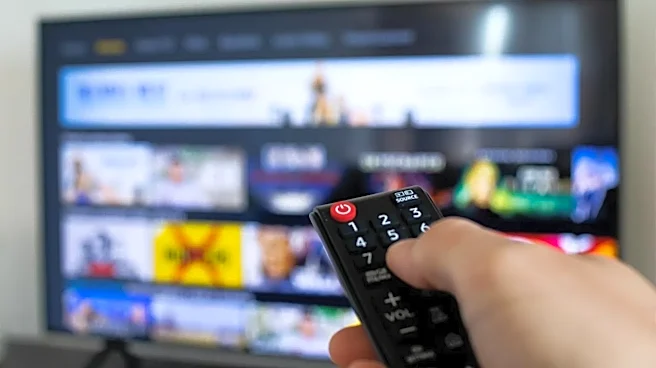
This strategic viewing requires tools, and fans have a dedicated arsenal. The simplest is the humble screenshot, a quick and easy way to grab a premiere calendar from a pop culture site and save it for reference. But the truly dedicated go further. Shared Google Calendars are populated with premiere dates. Dedicated tracking apps like TV Time, Hobi, and SeriesGuide have become essential, allowing users to check off episodes as they watch, get reminders for upcoming premieres, and see where a particular show is streaming. These apps function as a digital command center for a fan’s media consumption, turning a chaotic flood of content into a manageable, gamified experience. They are the clipboards and stat sheets for the modern TV viewer, transforming a passive activity into an organized, intentional pursuit.