


The Uniform of Fandom
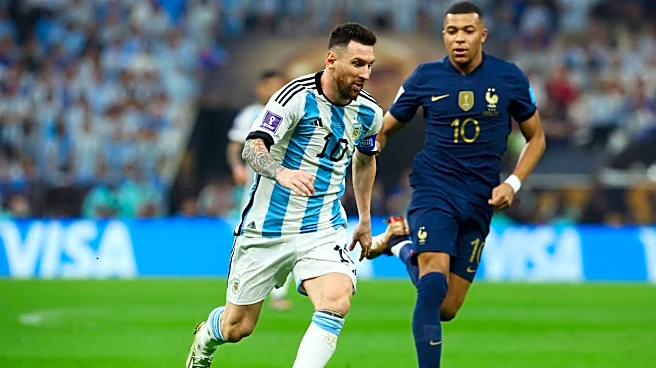
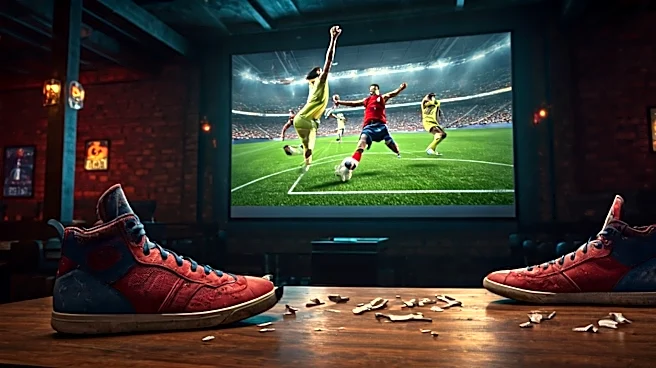
Look around the bar. A decade ago, a soccer watch party in the U.S. might have featured a handful of die-hards in their favorite club or country kits. Today, it’s a full-blown fashion show. The room is a vibrant mosaic of Messi’s Argentina blue and white,
Mbappé’s French tricolor, and even obscure but beloved national colors. This isn't just clothing; it's a statement of allegiance, a tribal marker instantly recognizable to fellow fans. It’s the exact same social currency as walking into a sports bar in Oakland wearing a Stephen Curry jersey or into a Boston pub draped in Celtics green. The jersey says, ‘I’m with you. We’re in this together.’ This shared visual identity is the first and most powerful parallel, transforming a room of strangers into a temporary team.
Every Possession Is a Micro-Drama
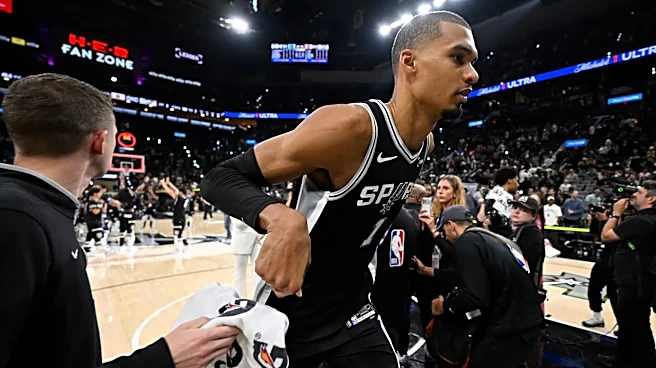
The rhythm of the two sports feels different on the surface. Soccer is a slow burn, a 90-minute exercise in building pressure. Basketball is a rapid-fire series of explosive plays. But zoom in on the fan experience, and the emotional cadence is identical. A soccer team patiently building an attack from the back, probing for an opening, creates the same rising tension as an NBA point guard meticulously setting up a final-possession play. The sharp intake of breath as a winger beats his man and sends a cross into the box is the same as the gasp when a superstar guard drives to the hoop. The collective roar for a shot on goal that just misses wide is the twin of the crowd's cry on a three-pointer that rims out. Both experiences are built on a series of micro-dramas, where every possession could be the one that changes everything.
The Language of Agony and Ecstasy
The true test of a high-stakes sporting event is how it makes you feel in the biggest moments. This is where the comparison becomes undeniable. The pure, unadulterated joy of a 90th-minute game-winning goal is a full-body eruption of relief and triumph. Arms fly in the air, strangers hug, and drinks are inevitably spilled. It is the exact same chaotic celebration that follows a buzzer-beating, series-clinching three-pointer. Conversely, the shared agony of watching a penalty kick sail over the bar or a star player get injured feels just like watching your team's best shooter go cold in the fourth quarter. It’s a silent, head-in-hands despair that needs no translation. This universal language of sports heartbreak and glory now speaks fluent soccer in American bars, right alongside its native dialect of basketball.
From Niche Event to Can’t-Miss Spectacle
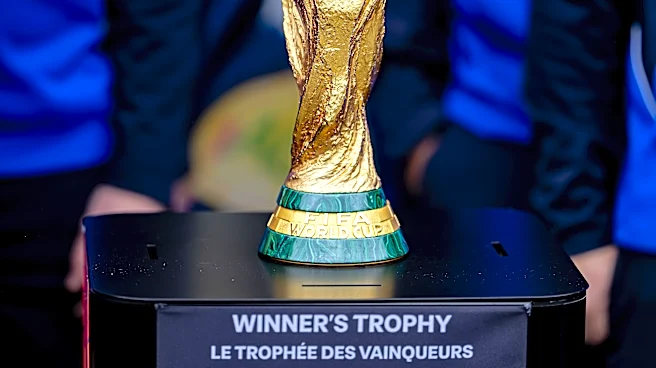
For years, being a soccer fan in America meant seeking it out. It meant waking up at dawn, finding a single Irish pub that might have the game on, and celebrating with a small, devoted crowd. The NBA Playoffs, meanwhile, are a cultural institution—a prime-time event that permeates national conversation. What’s changed is that the World Cup has crossed that threshold. Bars now advertise their watch parties weeks in advance, opening early and offering food and drink specials. The crowd is no longer just the hardcore followers; it’s a mix of casual fans, curious newcomers, and people who simply don't want to miss out on a major cultural moment. The event has become the destination. Just as you don’t have to be a lifelong basketball fanatic to get swept up in the drama of the NBA Finals, the World Cup has become a communal spectacle that demands attention.