




The Wimbledon Aesthetic
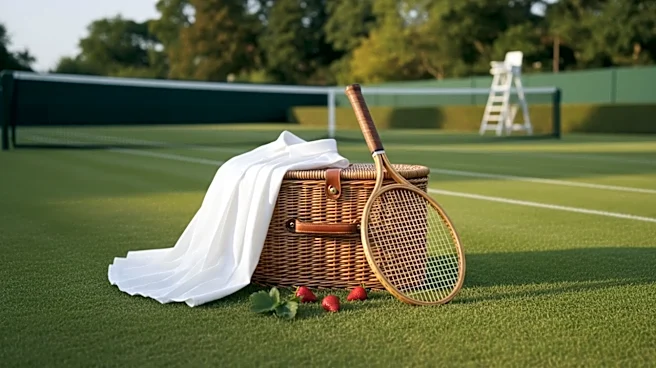
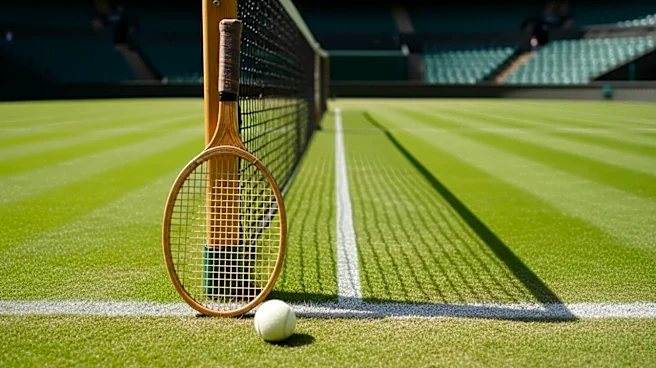
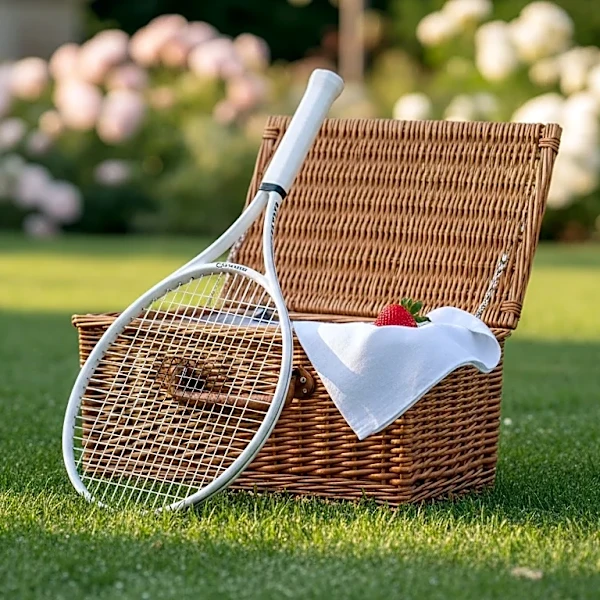
When you picture Wimbledon, you likely envision more than just tennis. You see strawberries and cream, manicured grass courts, and that iconic, unwritten dress code: “tennis whites.” This tradition, dating back to the 19th century, was originally about
practicality and class. White clothing was believed to keep players cooler and, more importantly at the time, it cleverly concealed perspiration, which was considered unseemly. Today, Wimbledon is one of the few major tournaments that still requires all-white attire, cementing its association with discipline, prestige, and a certain kind of old-money elegance. This aesthetic has become a cultural shorthand for a clean, classic, and sophisticated summer, a look that signals effortless grace without trying too hard.
The Psychology of 'Clean' Dressing
The feeling of “cleanliness” that comes from wearing a simple, monochrome outfit isn’t just about laundry. It's rooted in psychology. Our brains are constantly processing information, and complex patterns or clashing colors require more cognitive energy. A simple, coordinated outfit, like white or neutral linen separates, reduces this mental load. Psychologists have found that what we wear can have a systematic influence on our thoughts and feelings, a concept known as “enclothed cognition.” Wearing clothes that we associate with positive qualities—like freshness, order, and calm—can actually help us embody those feelings. A clean, minimalist outfit sends a signal to our own brain that we are composed, organized, and in control, which can be a calming and confidence-boosting experience.
You Are What You Wear
The theory of enclothed cognition suggests that clothing's influence works on two levels: the symbolic meaning of the garment and the physical experience of wearing it. One famous study found that participants who wore a lab coat they were told was a doctor's coat performed better on attention-related tasks than those who wore the same coat described as a painter's smock. The coat, symbolic of a doctor's focus and precision, seemed to imbue the wearer with those same qualities. Applying this to the Wimbledon trend, when you wear a crisp, white linen outfit associated with the precision and elegance of the tournament, you're not just putting on clothes. You are stepping into a role. You might find yourself feeling more poised, focused, and put-together because your clothing is quietly cuing your brain to feel that way.
Linen’s Secret Language
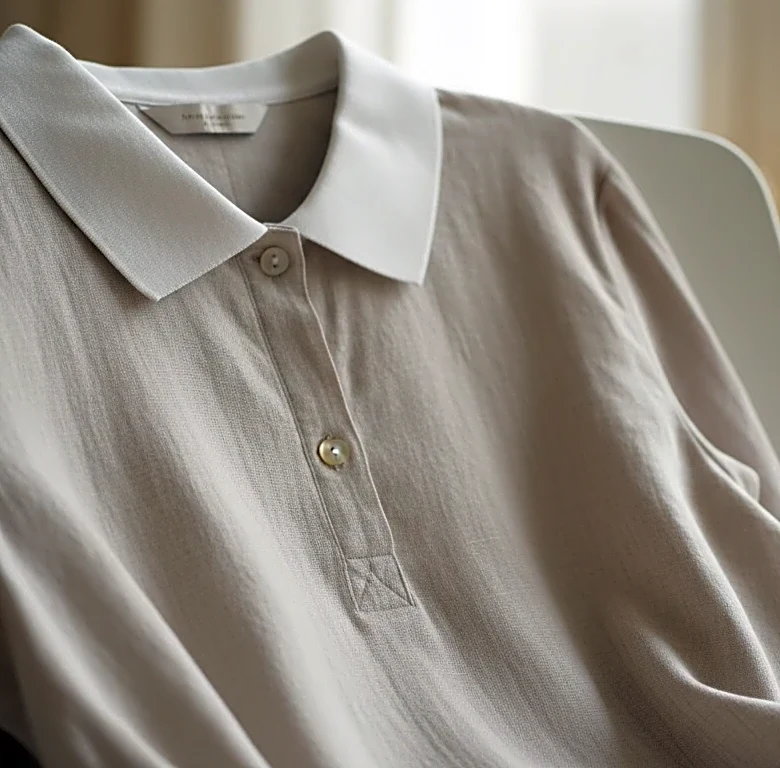
The choice of fabric is just as important as the color. Linen, derived from the flax plant, is one of the world's oldest and most prized textiles. It has a distinctively crisp feel when new, which is often described as feeling “fresh” or “clean.” What makes linen special is its breathability and moisture-wicking properties; it can absorb a significant amount of moisture without feeling damp, keeping you cool and comfortable. Linen is also naturally hypoallergenic and antibacterial. Beyond its physical properties, linen gets better with age, softening with every wash and wear. This evolution gives it a lived-in authenticity that feels both luxurious and down-to-earth. The slightly textured, natural feel of the fabric against the skin is a sensory experience that grounds us, adding to the overall feeling of clean comfort.
Making the Trend Your Own
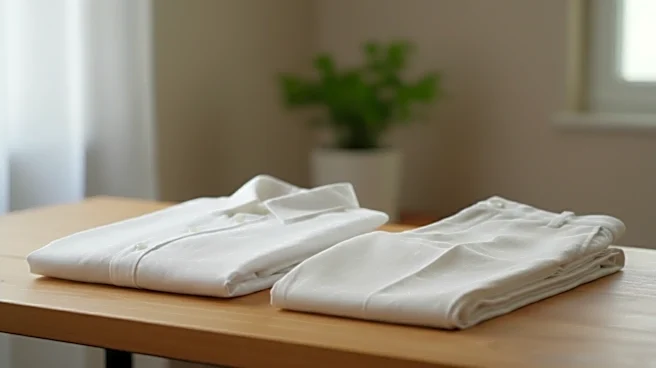
The beauty of this trend is that it isn't about expensive designer labels or exclusive country club memberships. Brands like Old Navy have made high-quality linen blends accessible, allowing anyone to tap into this feeling. Their collections often feature the simple, classic cuts—button-down shirts, wide-leg pants, and simple dresses—that define this aesthetic. By offering these timeless pieces, they democratize the trend, stripping away the old-world class associations and focusing on the core psychological benefits: comfort, confidence, and simplicity. You don't need a courtside seat to enjoy the feeling of a perfectly crisp linen shirt. It’s a small, achievable luxury that proves feeling good in your clothes doesn't have to be complicated or overthought.